Dibrugarh
Dibrugarh
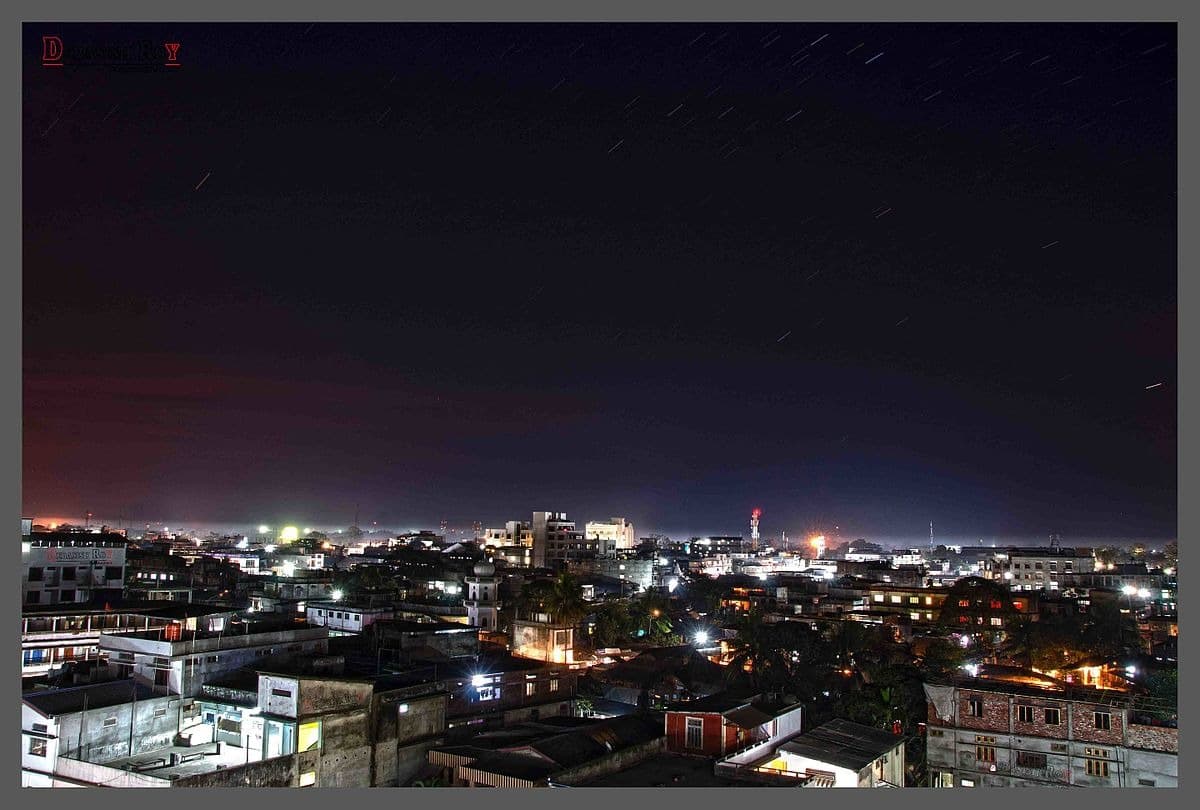
Dibrugarh, the largest city in eastern Assam, is surrounded by tea plantations and bordered by the Brahmaputra. A gateway to Arunachal Pradesh, it blends Ahom culture, Muga silk and river landscapes.
Dibrugarh is the largest city in northeastern Assam, set on the southern bank of the Brahmaputra. Nicknamed the "tea city," it is surrounded by plantations spanning thousands of hectares. It also serves as a gateway to Arunachal Pradesh and the Patkai hills. Between river, tea gardens and Ahom culture, the city offers an authentic anchor far from India's classic tourist circuits.
Quick Practical Guide
- Best time to visit: October to April, dry season with pleasant temperatures.
- Access: Dibrugarh airport (Mohanbari), with connections to Kolkata, Guwahati and Delhi. Railway station well connected to northeastern India's network.
- Recommended duration: 2 to 3 days to explore the city and its immediate surroundings.
- Dress code: Covered clothing recommended for temple and monastery visits.
What to See
Tea gardens dominate the peri-urban landscape: Tingkhong, Nahorani and Hapjan are among the most accessible. The ghat on the Brahmaputra offers views of the river and the bustle of ferries. The central market reveals local craftsmanship — Muga silks, pottery and tea-derived products. The Radha-Krishna temple in Dibrugarh and a few Buddhist monasteries punctuate the city.
History and Context
The region long remained under the rule of the Ahom kingdom, which reigned over Assam for six centuries. The arrival of the British in the 19th century radically transformed the territory: the discovery of tea in 1823 in the neighboring hills made Dibrugarh a strategic commercial center. The city became a logistics hub for tea exports to Calcutta, a role it retains today.
Highlights of Your Visit
Tea Gardens
Some plantations welcome visitors and offer an introduction to tea picking and leaf processing. The golden morning light on rows of tea plants is particularly striking. Ask your accommodation to identify which gardens are open to the public.
The Brahmaputra
The river reaches impressive width here. An evening stroll at the ghat allows you to observe ferries, fishermen and, in season, the Ganges dolphins that sometimes swim upstream into these waters. Sunset over the river is a peaceful and memorable moment.
Dibrugarh Market
The central bazaar concentrates sellers of Muga silk (the golden wild silk unique to Assam), spices, loose-leaf teas and tribal crafts. It is the most vibrant spot in the city, particularly lively in the morning.
Photography Tips
Tea gardens are best photographed early in the morning, when mist lifts over the rows. At the ghat, evening light creates beautiful silhouettes on the river. In markets, always ask vendors' permission before photographing them.
Location and Access
Dibrugarh sits in the far east of Assam, roughly 500 km from Guwahati by road. Mohanbari airport connects the city to major Indian cities. Train remains the most convenient option from Guwahati or Kolkata. The city is a natural jumping-off point toward Kaziranga National Park and into Arunachal Pradesh.
Nearby
- Kaziranga National Park — sanctuary of the one-horned Indian rhinoceros, accessible within a few hours to the west.
- Majuli Island — the world's largest river island on the Brahmaputra, center of Assam's Vaishnavite culture.
- Sibsagar — former capital of the Ahom kingdom, rich in temples and royal ponds.
- Tinsukia — nearby city, access point to Dibru-Saikhowa Sanctuary and Maguri Beel nature reserve.
Frequently asked questions
October to April brings the dry season with pleasant temperatures and passable roads. The monsoon (June-September) makes some areas difficult to access but tea gardens are intensely green.
Most large plantations are privately owned. Some accept visitors by prior request. Your hotel or a local agency can facilitate access and arrange a guided tour.
By air (roughly one-hour flight to Mohanbari airport) or by train (several daily connections, journey around 8 to 12 hours depending on the service). The road is long and less comfortable.
Yes. The city is one of the most convenient entry points to Arunachal Pradesh. Note that a special permit (Inner Line Permit) is required for Indian nationals not from the State, and a Protected Area Permit for foreign visitors.
Shoulders and knees covered are required in temples and monasteries. It is advisable to remove your shoes before entering any place of worship.
Yes, it is a classic northeastern Assam circuit. Allow at least a week to visit these three destinations without rushing.
Photos
Want to discover this destination?
Our local advisors design your tailor-made trip.