Nalagarh
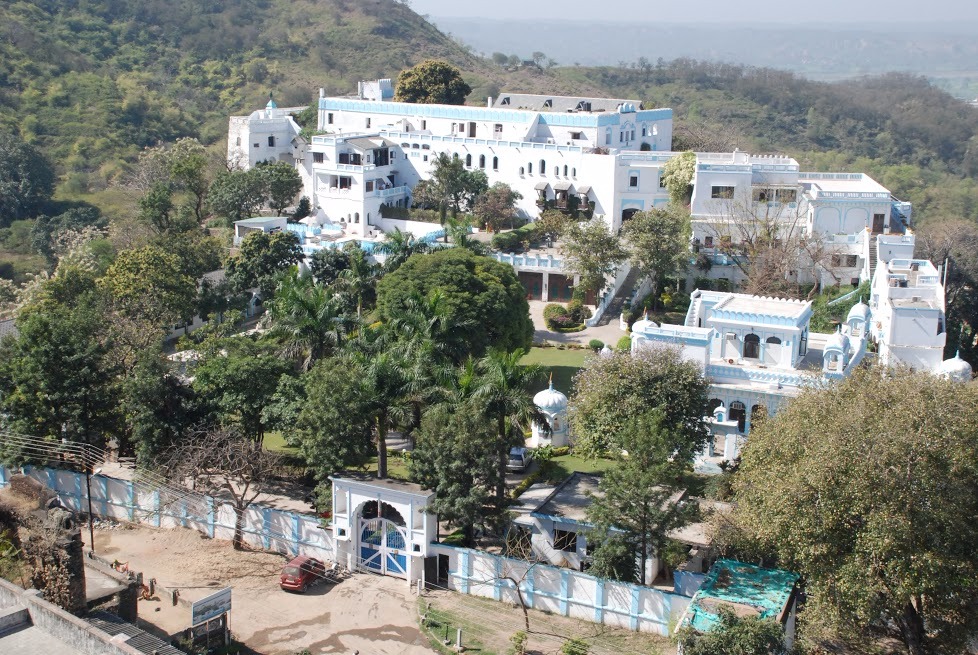
Nalagarh Fort, founded in the 15th century by the Hindur dynasty, commands a wooded hillside in lower Himachal Pradesh. Rajput and Mughal architecture, terraced gardens and views across the Punjab plains, 45 km from Chandigarh.
Nalagarh is a small town in Solan district, in lower Himachal Pradesh, on the border with Punjab. It is best known for its 15th-century fort, once the residence of the Hindur dynasty rajas, now converted into a heritage hotel. The site offers a rare glimpse of hill palace architecture, well away from the crowded tourist circuits of northern India.
Quick reference
- Access: Nalagarh is about 45 km from Chandigarh, accessible by bus or car from Chandigarh's main bus station.
- Recommended duration: Half a day is enough to explore the fort and its immediate surroundings.
- Dress code: Modest dress recommended within the fort's precincts.
What to see
Nalagarh Fort overlooks the town from a wooded hillside. Its inner courtyards, arcaded galleries and terraced gardens bear witness to a blend of Mughal and Rajput hill influences. Part of the fort operates as a heritage hotel; certain wings and gardens remain accessible to passing visitors. Views across the Punjab plains and the foothills of the Himalayas are unobstructed.
History and context
The fort was founded in the 15th century by the Hindur dynasty, a Rajput lineage that ruled this region for several centuries. Nalagarh was one of the princely states that joined the Indian Union after independence in 1947. The fort underwent several phases of expansion and renovation, notably under Mughal influence, before being preserved as an architectural heritage site.
Highlights of your visit
The fort's courtyards and galleries
The inner courtyards reveal understated yet refined architecture: stone arcades, partially preserved frescoes and carved woodwork characteristic of Himachal's hill palaces.
The view across the plains
From the ramparts, your gaze extends across the Punjab plains on one side and the first foothills of the Himalayas on the other. The late-afternoon light is particularly favourable.
The terraced gardens
The tiered gardens surrounding the fort retain a peaceful character, with dense vegetation that contrasts with the ancient stonework of the walls.
Photography tips
Golden late-afternoon light brings out the ochre stone of the fort and the terraced gardens. The interior arcades offer interesting depth framing. Check photography restrictions if you access areas of the heritage hotel.
Location and access
Nalagarh is located in Solan district, in south-western Himachal Pradesh. The town is connected to Chandigarh by a direct road of approximately 45 km. Regular buses serve the route. By car, the journey from Chandigarh takes about an hour depending on traffic. The nearest railway station is Kalka, the starting point of the famous narrow-gauge train to Shimla.
Nearby attractions
- Chandigarh — Planned city by Le Corbusier, featuring the Capitol and Rock Garden, about 45 km away.
- Kalka — Starting point of the UNESCO-listed narrow-gauge train to Shimla, within easy reach of Nalagarh.
- Kasauli — Former British colonial hill station in the Solan hills, about 40 km away.
- Pinjore Gardens — Historic Mughal gardens (Yadavindra Gardens) at the Haryana-Himachal border, about 30 km away.
Frequently asked questions
October to March offers pleasant weather, with mild temperatures and clear skies. Summer (April-June) is warm but tolerable at this moderate altitude. The monsoon (July-September) brings lush vegetation but sometimes difficult road conditions.
Part of the fort operates as a heritage hotel. Access conditions for external visitors may vary; it's advisable to check directly with the establishment before making the trip.
Regular buses connect Chandigarh to Nalagarh. By car or taxi, the journey takes about an hour. This is the most flexible option for managing your visiting schedule.
Yes. Nalagarh combines easily with Pinjore Gardens, Kasauli or a day in Chandigarh. From Kalka, the narrow-gauge train to Shimla makes for a memorable excursion.
Photography is generally allowed in outdoor spaces and gardens. In heritage hotel areas, restrictions may apply out of respect for residents. Check on site.
Interested in this visit?
We can include it in your personalised itinerary.