Nalagarh Fort
Nalagarh Fort
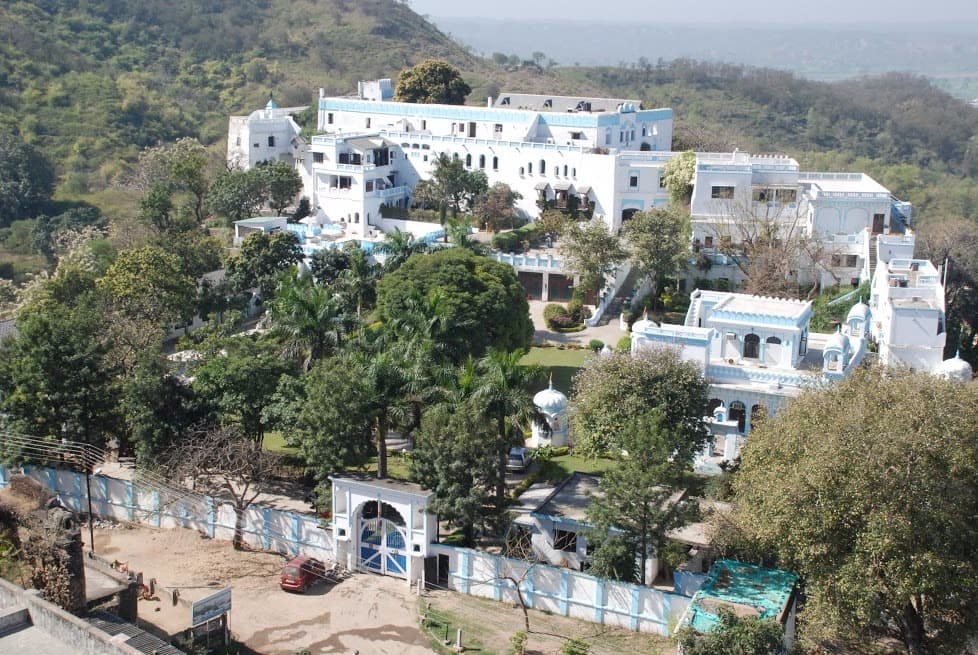
Perched on a wooded hill in the Shivalik range, Nalagarh Fort is a 15th-century fortress converted into a heritage hotel, 45 km from Chandigarh. Courtyards, terraced gardens and views over the Sirsa Valley.
Nalagarh Fort rises on a wooded hillside in Solan district, Himachal Pradesh, bordering Punjab. Built in the 15th century by the Chandela dynasty, it commands the Sirsa Valley and the foothills of the Shivalik range. Today converted into a heritage hotel, it remains one of the rare forts in the region to have preserved its original structures while remaining accessible to visitors.
Quick Practical Information
- Access: Nalagarh is approximately 45 km from Chandigarh; the road is passable by car or bus from Chandigarh's main bus station.
- Recommended duration: 1 to 2 hours for the exterior visit and gardens; one night if staying at the hotel.
- Dress code: No particular dress restrictions; smart casual recommended.
What You'll See
The fort comprises several interior courtyards, arcaded pavilions and terraced gardens. Thick walls of local stone, crenellated gates and watchtowers speak to the defensive architecture of the hill kingdoms. Views over the valley and the first Himalayan ridges open out from the upper terraces.
History and Context
Nalagarh was the seat of the Kingdom of Hindur, founded in the 15th century. The fortress changed hands several times through conflicts between the hill kingdoms and the Mughal and later Sikh empires. Under British rule, the territory was integrated into the princely states under colonial suzerainty. After independence, the royal family gradually transformed the fort into a hotel establishment while preserving its architecture.
Highlights of the Visit
The Courtyards and Pavilions
Successive courtyards reveal a hybrid architecture blending Mughal influences with hill-country style: semicircular arches, perforated stone jalis and partially preserved murals.
The Terraced Gardens
Tiered gardens offer a peaceful walk with open views over the Shivalik. Dense vegetation contrasts with the grey stone of the ramparts.
Views Over the Sirsa Valley
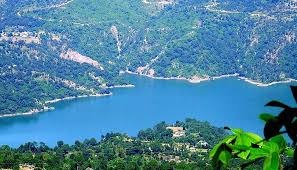
From the upper terraces, the valley stretches toward Punjab. At dawn or late afternoon, raking light accentuates the relief of the wooded hills.
Photography Tips
Morning light is favorable for photographing east-facing facades and gardens. Late afternoon, the upper terraces offer interesting backlighting over the valley. Architectural details—jalis, arches, carved wooden doors—lend themselves well to close-ups.
Location and Access
Nalagarh sits in Solan district, Himachal Pradesh, at the junction of the Punjab plains and the first Himalayan foothills. The town is connected to Chandigarh by national highway; regular buses serve the route. The nearest railway station is Kalka, the departure point for the famous narrow-gauge train to Shimla. The fort is accessible by car from central Nalagarh in a few minutes.
Nearby
- Kalka-Shimla Narrow-Gauge Train — UNESCO-listed railway heritage, departing from Kalka approximately 30 km away.
- Kasauli — small colonial hill town approximately 40 km away, known for its Victorian architecture and forest walks.
- Chandigarh — planned city by Le Corbusier, approximately 45 km away, home to the Capitol and Rock Garden.
Frequently asked questions
The fort operates primarily as a heritage hotel. Non-resident visitors can generally access the gardens and common areas, but it is advisable to contact the establishment before visiting.
October to March, the climate is cool and pleasant. The monsoon months (July-September) turn the hills verdant but roads can become slippery.
Nalagarh combines easily with Chandigarh (45 km) and Kasauli (40 km). A base at Nalagarh also allows you to reach Kalka to catch the narrow-gauge train to Shimla.
No known restrictions in outdoor areas. Inside the hotel, it is courteous to ask permission before photographing private spaces or staff.
The sloping terrain and ancient stairs make access difficult for people with reduced mobility. Some ground-level courtyards remain accessible, but much of the fort requires climbing steps.
Photos
Interested in this visit?
We can include it in your personalised itinerary.