Munnar Tea Museum (KDHP Tea Museum)
Munnar Tea Museum (KDHP Tea Museum)
The Munnar Tea Museum traces over a century of tea cultivation in the Western Ghats, featuring period machinery, colonial archives, and live production demonstrations.
The Munnar Tea Museum, managed by the Kannan Devan Hills Plantations Company (KDHP), chronicles the history of tea cultivation in Kerala's hill stations. Located a few kilometres from the town centre, it offers insight into how this region became one of India's major tea-growing basins, from the British colonial era through to modern production.
Quick Facts
- Admission: Paid entry (separate rates for adults and children)
- Closed: Mondays
- Recommended duration: 1 to 1.5 hours
- Access: By car or tuk-tuk from central Munnar, approximately 2 km away
What to See
The museum displays period machinery used in tea processing: rollers, driers, and sorting machines. Archive photographs illustrate the lives of British planters and Tamil workers during the 19th and 20th centuries. A section showcases the various tea varieties produced locally, including Munnar's distinctive white and black teas.
A demonstration of the tea-making process — withering, rolling, fermentation, and drying — is presented to visitors. An on-site shop sells KDHP teas directly.
History and Context
Munnar's plantations were developed from the late 19th century by British companies, including Finlay & Co. The KDHP, heir to this legacy, took over the plantations and established this museum to document over a century of tea cultivation in the Western Ghats. Munnar now produces a significant share of India's high-altitude tea.
Highlights of Your Visit
The Production Demonstration
Observing the transformation from fresh leaf to dried tea remains the most tangible moment of the visit. The colonial-era machinery still in working condition provides a precise understanding of the industrial labour of the period.
The Photographic Archives
Black-and-white photographs document living conditions on the plantations, the planters' bungalows, and transport convoys. A rare visual testament to Kerala's colonial tea economy.
The KDHP Shop
The teas sold here are produced directly by the local cooperative. It's one of the few places to purchase genuine Munnar tea sourced directly, with selections difficult to find elsewhere.
Photography Tips
Interior lighting at the museum is dim; a high ISO setting is useful for photographing machinery without flash. The rows of tea plants visible from the entrance provide a natural frame in morning light. Photographs of the machinery are generally permitted, but check with staff regarding demonstration areas.
Location and Access
The museum sits on the Nallathanni Road, approximately 2 km north of central Munnar. Local tuk-tuks and taxis serve the site easily. Wheelchair accessibility may be limited in certain indoor areas; enquire at the entrance. No external guided tours are necessary: English-language signage guides visitors throughout.
Nearby Attractions
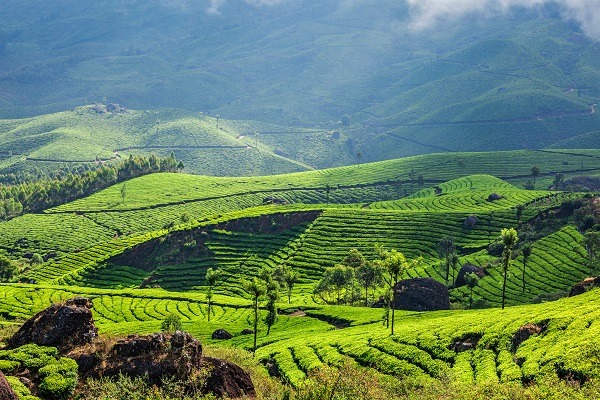
- Munnar Tea Plantations — tea gardens stretch endlessly around the museum; walking trails wind through the rows.
- Eravikulam National Park — about fifteen kilometres away, home to the endangered Nilgiri tahr, endemic to the Western Ghats.
- Mattupetty Dam — a reservoir lake ringed by hills, popular for boat rides.
- Top Station — a hilltop viewpoint overlooking the Western Ghats and the Tamil Nadu border.
Frequently asked questions
It closes on Mondays. For the rest of the week, it is generally open during daylight hours. During the monsoon season (June–August), check road conditions in Munnar before planning your visit.
No special dress code applies. Comfortable, practical clothing is sufficient; Munnar's hills can be cool, especially in the morning.
Yes. The museum is surrounded by KDHP tea gardens. A walk through the tea rows after your visit flows naturally and requires no special permission on public pathways.
The KDHP shop offers several varieties of locally produced tea: black tea, white tea, and green tea. Prices are generally lower than those of retailers in town.
The working machinery demonstration often captivates children. The route is short and presents no particular physical challenges.
Interested in this visit?
We can include it in your personalised itinerary.