Munnar
Munnar
A hill station in Kerala perched at 1,800 meters, Munnar captivates with its tea plantations, misty forests and the Eravikulam National Park. Here's how to explore it.
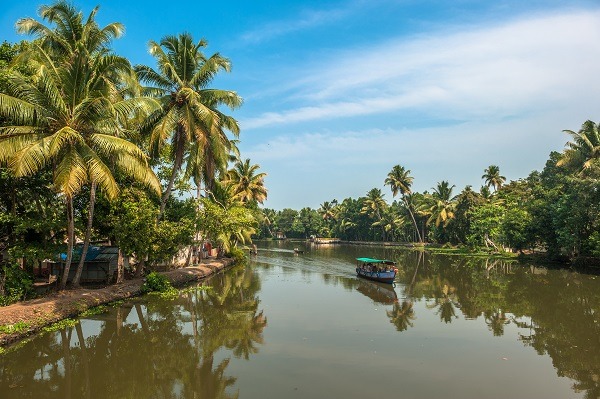
A single canvas would not suffice to capture the charm of Munnar. This haven of peace nestled in Kerala promises wonder at every turn. Beyond the tea bushes dotting the valleys and hills subtly veiled in mist, you'll discover streams and beautiful waterfalls.
History
The name of the town, "Munnar," originates from its strategic location in Kerala. The region sits at the confluence of three rivers—Nallathanni, Muthirapuzha, and Kundala Rivers. The roots moonu and aru mean "three" and "river," respectively.
Tea cultivation forms an integral part of Munnar's history. In the 1870s, British officer John Daniel Munro traveled to the region to settle a border dispute between the Kingdom of Travancore and the State of Madras. He was captivated by the area's beauty. Taking particular interest in plantations, he spotted enormous agricultural potential in the Kanan Devan hills. Munro then met with the Poonjar family, who controlled the entire territory, to acquire the Kana Devan lands in exchange for a handsome sum. Rohini Thirunal Kerala Varma Valiya Raja, the family head, accepted his offer and gave him a free hand for his projects. In 1877, an annual allocation of 3,000 rupees was set for the 55,000 hectares placed at the Briton's disposal. The North Travancore Land Planting & Agricultural Society was founded in 1879. Crops were diversified from coffee to quinine, including cardamom, yet these plantations were soon abandoned in favor of tea cultivation, deemed better suited to the region by British specialists.
In 1924, a devastating monsoon struck Munnar, causing severe floods and landslides. Many crops were destroyed. However, thanks to the relentless work of villagers, the plantations were rehabilitated within months.
Long isolated, though recognized for its tea plantations, the region only became a tourist destination in the second half of the twentieth century.
Today
In a serene atmosphere, Munnar offers breathtaking panoramas. Perched at an altitude of 1,800 meters in the Idukki district, this hill station once favored by former English colonial leaders now stands as an idyllic tourist destination in India. Spanning approximately 557 km² in the southwestern Ghats, the region from Munnar to Devikulam Taluk is dotted with vast tea plantations, pristine mountains, and preserved forests creating a true ode to escape. It harbors distinctive wildlife and exotic flora species waiting to be discovered. Once immersed in the serenity and nature of Munnar, you'll struggle to leave!
In your list of attractions to visit during your stay in Munnar, be sure to highlight the Eravikulam National Park and the Nilgiri Tahr. The reserve is renowned for its population of Neelakurinji flowers. Every year, tourists from around the world flock to witness the blooming of these rare species. From here, you'll also enjoy a stunning view of Mount Anamudi, the highest peak in South India. Don your hiking gear and venture to this summit to invigorate yourself. Once at the peak, you'll experience that pleasant sensation of being so close to the sky, nearly touching it. Among other natural sites to absolutely discover in Munnar and its surroundings are Devikulam Lake and the waterfalls of Lakkam, Valara, and Chinnakkal. Punctuate your journey with a visit close to the traditions and locals of the region at Mattupetty, nicknamed the "cattle village."
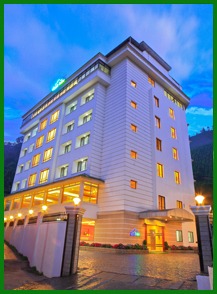
For food enthusiasts, Munnar is a premier destination for sourcing tea and spices of all kinds. Take advantage of your stay to acquire regional products such as ginger, pepper, coffee, cardamom, clove, cinnamon, nutmeg, and more. Taste homemade chocolates, delightful assortments garnished with liqueurs that will delight your palate. Regarding accommodations, you have a wide array of resorts and hotels catering to all needs.
Climate
The post-monsoon period, spanning October to March, is the best time to visit Munnar. For your convenience, pack warm clothing and rain jackets as you may encounter occasional showers. In summer, temperatures in Munnar range from 15 to 25°C. In winter, thermometers fluctuate between 5 and 10°C. Throughout the year, the atmosphere remains quite cool and pleasant.
The nearest airport to Munnar is Cochin. The site is approximately 125 km by car from the city. Taxis await you to complete the journey. Buses are also available for budget travel. By rail, Munnar station connects with stations at Aluva, Ernakulam, and Madurai.
As everywhere in the Subcontinent, the city of Munnar has a network of auto-rickshaws ideal for short and medium-distance trips. Among other available transport options, you'll find taxis, buses, and car rentals.
Accommodation in Munnar
Want to discover this destination?
Our local advisors design your tailor-made trip.