Temisgam
Temisgam
A village in western Ladakh, Temisgam preserves a medieval fort and Buddhist monastery overlooking the Indus Valley, far from the crowds that gather at the region's major sites.
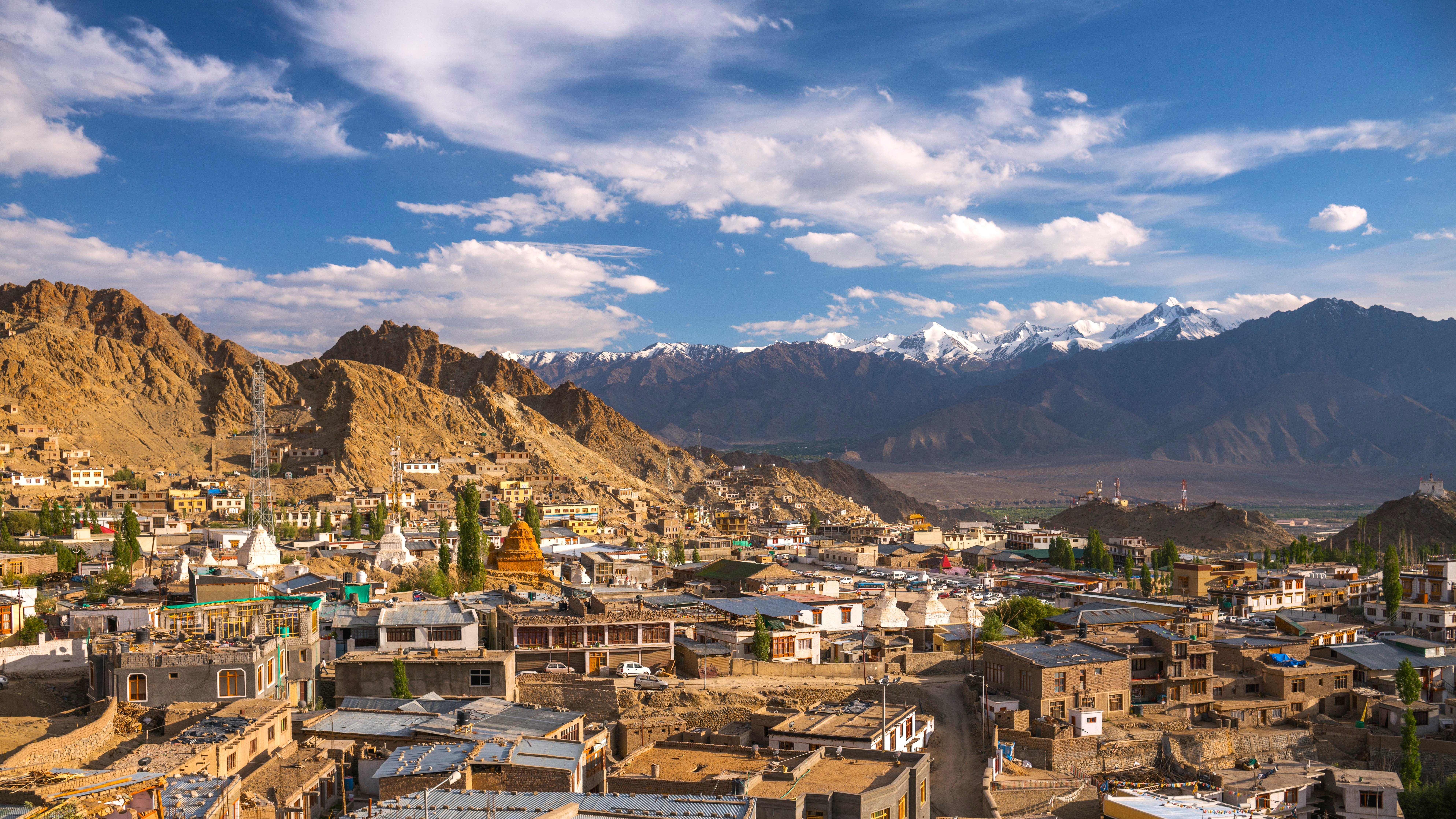
Temisgam is a village in Ladakh, situated in the Indus Valley west of Leh. It is known for its ancient fort and Buddhist monastery perched on a rocky spur that dominates the terraced fields below. Less frequented than Ladakh's major sites, it offers an authentic glimpse of the region's defensive and religious architecture, set within the stark mountain landscape characteristic of the area.
What to See
The fort of Temisgam (Temisgam Khar) and its adjacent monastery dominate the village from a rocky promontory. The fort's ruins bear witness to the typical military architecture of medieval Ladakh. The monastery, still active, houses Buddhist murals and statuary. Below, irrigated fields and poplar groves create a striking contrast with the ochre cliffs.
History and Context
Temisgam was a center of local power in the Indus Valley before Ladakh's unification under the kings of Leh. The fort served to control the trade route running alongside the Indus. The monastery, affiliated with the Drikung Kagyu school of Buddhism, continues an ancient religious tradition in this part of western Ladakh.
Highlights of Your Visit
The Fort and Its Ruins
The climb to the fort offers sweeping views of the Indus Valley and the surrounding peaks. The rammed-earth walls and collapsed towers illustrate local construction techniques. The visit requires a modest amount of walking along a rocky path.
The Monastery
The monastery preserves frescoes and thangkas. The atmosphere here is serene, far removed from the tourist flows at Ladakh's major gompas. A monk may sometimes guide visitors depending on availability.
The Village and Its Terraces
The village itself, with its adobe houses and gardens, is worth exploring on foot. The inhabitants cultivate barley and vegetables on terraces irrigated by traditional channels.
Etiquette and Visiting Rules
- Covered clothing required to enter the monastery (shoulders and knees covered).
- Shoes must be removed before entering prayer halls.
- Walk around chortens and mani walls in a clockwise direction.
- Ask permission before photographing monks or the interior of the monastery.
Photography Tips
Morning light is ideal for photographing the fort from the road below, with poplars in the foreground. In late afternoon, raking light accentuates the textures of the rammed-earth walls. Avoid using flash inside the monastery.
Location and Access
Temisgam lies on the national highway connecting Leh to Kargil (NH 301), approximately 60 km west of Leh. The village is accessible by car or local bus from Leh. No frequent scheduled transport is guaranteed; a private vehicle remains the most reliable option. The site is not accessible to people with reduced mobility due to the elevation gain required to reach the fort.
Nearby Attractions
- Lamayuru Monastery — one of Ladakh's oldest gompas, about forty kilometers west on the same route.
- Basgo Fort and Monastery — remarkable royal ruins, a few kilometers east toward Leh.
- Likir Monastery — an active monastery with a large Maitreya statue, accessible from the same valley.
- Alchi Monastery — a protected site, famous for its 11th-century murals, nearby on the Indus riverbank.
Photos
Want to discover this destination?
Our local advisors design your tailor-made trip.