Tibetan Refugee Self Help Centre
Founded in 1959, the Tibetan Refugee Self Help Centre in Darjeeling brings together craft workshops, a museum and a temple. A living space where Tibetan culture thrives in exile, through handmade carpets, thangkas and jewellery.
Founded in 1959 following the Dalai Lama's exile, the Tibetan Refugee Self Help Centre in Darjeeling is one of the first Tibetan reception centres established in India. It brings together craft workshops, a museum and a temple on a single site, offering a direct glimpse into Tibetan culture preserved in exile.
Quick Facts
- Entrance: paid (modest fee)
- Closed: Sundays
- Recommended duration: 1 to 2 hours
- Dress code: smart casual recommended in the temple
What You'll See
The centre houses several active workshops where Tibetan artisans work before your eyes: carpet weaving, jewellery making, wood carving, thangka painting and wool clothing production. A small museum traces the history of the Tibetan exodus with photographs and period objects. A Buddhist temple completes the experience.
History and Context
Following the Chinese invasion of Tibet and the Dalai Lama's escape in 1959, thousands of Tibetan refugees settled in the Darjeeling hills. The centre was created that same year to enable them to support themselves while perpetuating their traditional crafts. It remains today a symbol of cultural resilience.
Highlights of Your Visit
The weaving workshops
Hand-knotted Tibetan carpets are made using ancestral techniques. You can observe each stage, from wool spinning to the final carpet shearing. Some pieces are available for purchase in the adjoining shop.
Thangka painting
Artists paint thangkas — Buddhist representations on canvas — with natural pigments and gold leaf details. The workshop allows you to appreciate the precision and time each work demands.
The museum and temple
The museum documents the Tibetan exile with restraint. The adjacent active temple welcomes daily prayers from the refugee community. The atmosphere is contemplative, far from the bustle of the city centre.
Etiquette and Visiting Rules
- Remove your shoes before entering the temple.
- Speak quietly in prayer spaces.
- Ask permission before photographing artisans closely.
- Turn prayer wheels clockwise.
Photography Tips
Natural light in the workshops is often soft and favourable in the morning. Colourful carpets and thangkas in progress offer striking compositions. Avoid flash in the temple. Some artisans prefer not to be photographed — always ask first.
Location and Access
The centre is located on Lebong Cart Road, about 4 km from central Darjeeling. Access is by shared taxi or private taxi from Chowk Bazaar. The road is steep; accessibility for people with reduced mobility may be difficult in some parts of the site. No regular shuttle service is confirmed.
Nearby Attractions
- Ghoom Monastery — one of the oldest Buddhist monasteries in the Darjeeling region, a few kilometres to the south.
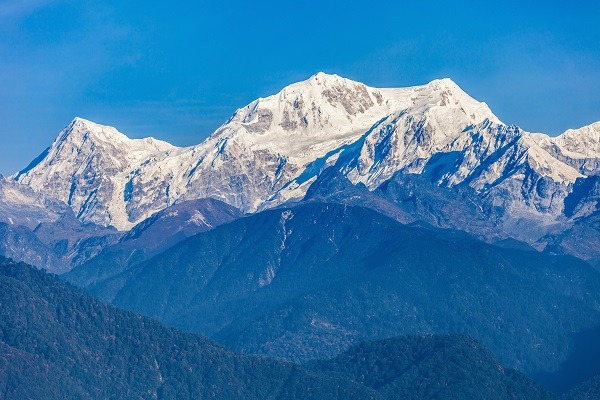
- Tiger Hill — famous viewpoint for panoramic views of Kangchenjunga at sunrise.
- Himalayan Mountaineering Institute — museum dedicated to Himalayan mountaineering, with objects that belonged to Tenzing Norgay.
- Padmaja Naidu Zoo — zoo specialising in Himalayan fauna, adjacent to the HMI.
Frequently asked questions
It closes on Sundays. For public holidays and exceptional closures, check on site or with your local operator before making the trip.
Yes, a shop sells carpets, jewellery, clothing and thangkas made by the centre's artisans. Purchases directly support the refugee community.
Smart casual is recommended, especially when entering the temple. Wear shoes that are easy to remove.
Yes. The Himalayan Mountaineering Institute and Padmaja Naidu Zoo are nearby and easily visited in the same half-day. Tiger Hill is best visited at dawn, as a separate excursion.
Generally yes, but always ask the artisans' permission before photographing them. In the temple, avoid flash and be discreet.
Interested in this visit?
We can include it in your personalised itinerary.