Rimbick
Perched at approximately 2,300 m in the Himalayan foothills of West Bengal, Rimbick is the launching point for the renowned Sandakphu-Phalut trek, nestled among rhododendron forests and commanding views of the great peaks.
Rimbick is a small mountain town tucked into the Himalayan foothills in Darjeeling district, West Bengal. Standing at approximately 2,300 metres, it serves as the classic starting or finishing point for the Sandakphu-Phalut trek, one of the most celebrated hiking routes in West Bengal. The village offers sweeping views over forested ridgelines and a serene atmosphere, far removed from the bustle of Darjeeling.
Quick facts at a glance
- Access: Rimbick is reachable from Darjeeling by road (approximately 4-5 hours depending on conditions). Shared jeeps regularly connect the two settlements.
- Best time to visit: October-November and March-May, to avoid the monsoons and enjoy clear views of the peaks.
- Recommended duration: 1 to 2 nights if used as a trekking base; longer if exploring the surrounds.
- What to wear: Warm clothing essential, even during the dry season — nights are cool at altitude.
What you'll see
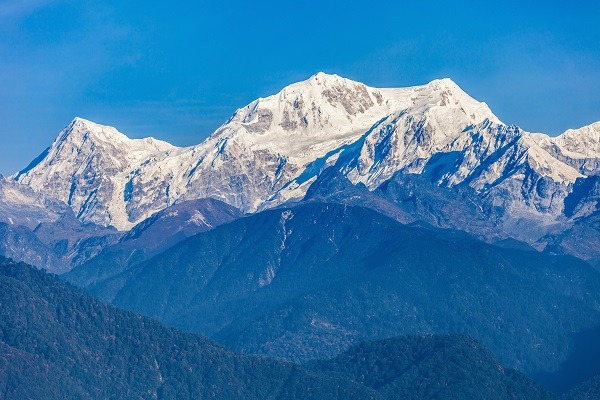
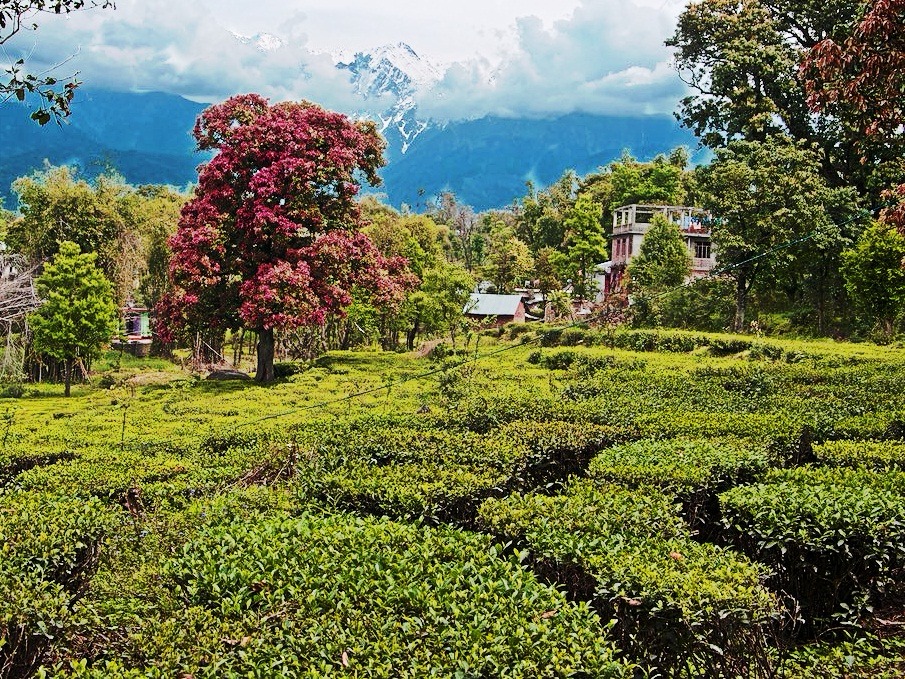
Rimbick itself is a modest village: a handful of timber houses, trekking lodges and a lively morning bazaar. The real appeal lies in the surrounding landscape — rhododendron forests, mist-shrouded hills and, on clear days, distant silhouettes of the Himalayan peaks including Kangchenjunga.
History and context
Like many villages in this region, Rimbick is predominantly inhabited by Gorkha and Lepcha communities. It long served as a passage point for herders and merchants linking the Bengal valleys with the high plateaus of Sikkim. The surge in trekking tourism during the 1980s-1990s established it as a recognised stop on the hiking map.
The highlights of a visit
The Sandakphu-Phalut trek
Rimbick is one of the entry or exit points for this iconic trek that peaks at Sandakphu (3,636 m). The trail traverses rhododendron forests and offers, on clear days, views of four of the world's five highest summits: Everest, Kangchenjunga, Lhotse and Makalu.
The rhododendron forests
In April, the hillsides around Rimbick burst into bloom with rhododendrons — red, pink and white. This is the most colourful season for hiking in the area, including short loops from the village itself.
The village of Srikhola
A few kilometres from Rimbick, the hamlet of Srikhola, beside a river, is a favoured stop for its tranquillity and simple lodges. Many trekkers break their journey here before or after Rimbick.
Photography tips
Morning light is most favourable for photographing ridgelines and, weather permitting, snow-capped peaks. Afternoon mists often envelope the hills, creating atmospheric scenes but reducing visibility of distant summits. Avoid using flash in forest areas to respect local wildlife.
Location and access
Rimbick lies in Darjeeling district, at the south-western edge of West Bengal, close to the Sikkim border. The nearest town with a railway station is New Jalpaiguri (NJP), the usual entry point for the entire Darjeeling region. From NJP, you'll need several hours by jeep to reach Rimbick. Darjeeling remains the primary logistical hub for organising a stay in Rimbick.
Nearby attractions
- Darjeeling — The region's flagship town, with its tea plantations, the Toy Train and Tiger Hill for sunrise views of Kangchenjunga.
- Sandakphu — The highest point in West Bengal and central stage of the eponymous trek, accessible from Rimbick.
- Phalut — Another summit on the trek route, offering panoramas over the Himalayan ranges.
- Manebhanjan — Alternative starting village for the Sandakphu trek, connected to Darjeeling by road.
Frequently asked questions
October-November and March-May are the optimal windows. The monsoon (June-September) makes trails slippery and views of the peaks virtually impossible. Winter (December-February) is cold but feasible for properly equipped hikers.
The Sandakphu-Phalut trek crosses Singalila National Park, which requires an entry permit. This is typically obtained at Manebhanjan or from local forest authorities. Confirm with your lodge or agency before setting out.
Shared jeeps depart regularly from Darjeeling to Rimbick. The journey takes about 4 to 5 hours depending on road conditions, which can deteriorate after the monsoon. Booking a private jeep is an option for greater comfort.
Yes, this is the classic itinerary: arrive via Darjeeling, head to Rimbick as your trekking base, then return to Darjeeling before departing. Plan for a minimum of 5 to 7 days to comfortably combine both destinations.
Waterproof hiking boots, layered warm clothing, a raincoat, trekking poles and a sleeping bag rated for sub-zero temperatures at altitude. Lodges provide blankets and basic meals, but you'll need to bring your own core gear.
Want to discover this destination?
Our local advisors design your tailor-made trip.