Nameri National Park
Nameri National Park
Nestled in the foothills of the eastern Himalayas in Assam, Nameri National Park brings together semi-tropical forests, remarkable wildlife and white-winged duck sightings, along with rafting on the Jia Bhoreli — a pristine natural sanctuary just a short drive from Tezpur.
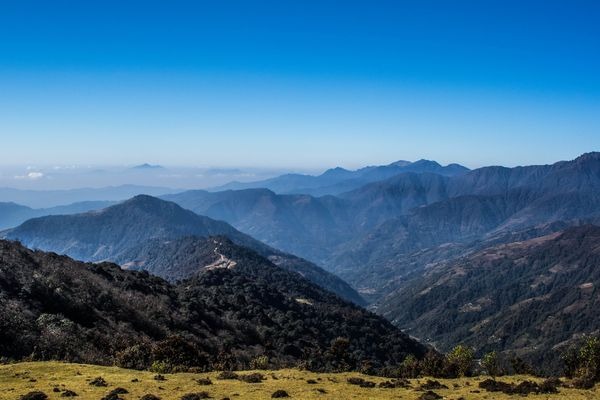
Nameri National Park stretches across the foothills of the eastern Himalayas in Sonitpur district, Assam. Bordered by the Jia Bhoreli river, it covers approximately 200 km² of dense semi-tropical forest. The park is best known for its tiger and Asian elephant populations, along with exceptional birdlife, including the rare white-winged duck. It forms a natural extension of Pakke National Park, on the Arunachal Pradesh side.
Quick facts
- Access: The town of Tezpur is the nearest gateway; the park sits roughly 35 km north of Tezpur.
- Entry: Paid admission; a permit is required to enter the park (issued at the gate).
- Best season: November to April — thinner vegetation, better wildlife visibility, and the river is passable.
- Recommended duration: 1 to 2 days to combine safari, bird watching and rafting.
- Dress: Neutral-toned clothing (khaki, green, beige); avoid bright colours in the forest.
- Seasonal closure: The park typically closes during monsoon season (May–October); check with local authorities before planning your visit.
Wildlife and habitats
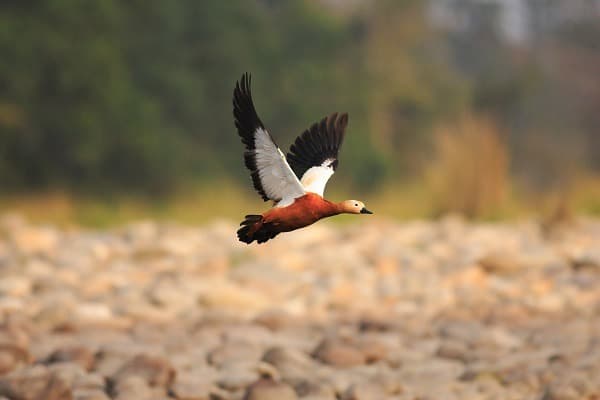
Nameri's forest is home to tigers, leopards, Asian elephants, gaurs and sloth bears. The Jia Bhoreli river is home to Ganges dolphins. Over 370 bird species have been recorded, including the white-winged duck (Asarcornis scutulata), classified as vulnerable. Jeep safaris and guided walks offer opportunities to observe wildlife in its natural habitat.
History and conservation
The area was originally a forest reserve before being designated a national park in 1998. It forms part of an ecological corridor linking Assam and Arunachal Pradesh, essential for elephant migration. Project Tiger operates here, strengthening protection of big cats over several decades.
Highlights of a visit
Rafting on the Jia Bhoreli
The river offers rapids suitable for beginners. Rafting lets you observe forested riverbanks, fish-eating birds and, occasionally, elephants coming to drink. It's one of the park's signature experiences, organised by licensed local operators.
Bird watching
Nameri ranks among northeast India's premier birding destinations. The Jia Bhoreli riverbanks and forest edges hold most sightings. Dawn is the most productive time to spot white-winged ducks and giant kingfishers.
Jeep safaris and guided walks
Motorised safaris cover the park's main trails. Forest guide-led walks allow you to move quietly through habitat, spotting tracks, footprints and signs of large mammals.
Photography tips
Golden-hour light at dawn (6–8 am) is ideal for photographing birds and mammals near water sources. A telephoto lens (400 mm minimum) is essential for wildlife. On the river, protect your gear from moisture during rafting. Photography is permitted in public-access zones; follow guide instructions to avoid disturbing animals.
Location and access
The park lies in Sonitpur district, roughly 35 km north of Tezpur. The nearest airport is Tezpur (Salonibari), connected to Guwahati. From Guwahati, allow about 4 hours by road. Eco-lodges are available near the park entrance. Disabled access inside the park is limited due to unpaved trails.
Nearby attractions
- Tezpur — Historic Assam town with ancient temples and access to the Brahmaputra riverbanks.
- Kaziranga National Park — UNESCO World Heritage site home to two-thirds of the world's Indian one-horned rhinoceros population, about 3 hours' drive away.
- Pakke National Park — Tiger reserve in Arunachal Pradesh, directly adjacent to Nameri to the north.
Frequently asked questions
The dry season, from November to April, offers the best conditions: less dense vegetation, better wildlife visibility and a passable river for rafting. Avoid the monsoon (May–October), when the park is typically closed.
Tigers are present but elusive. Sightings remain rare and are not guaranteed. Elephants, gaurs and birds are far more commonly spotted on safaris.
Yes, the Jia Bhoreli's rapids are generally accessible to non-experienced paddlers in dry season. Licensed local operators provide equipment and guidance.
Forest walks require an authorised forest guide. For jeep safaris, an official guide or escort is generally required; check at the park entrance.
Yes, both parks are accessible from Tezpur. Plan for about 3 hours' drive between the two sites. A 4 to 5-day itinerary allows comfortable visits to both parks.
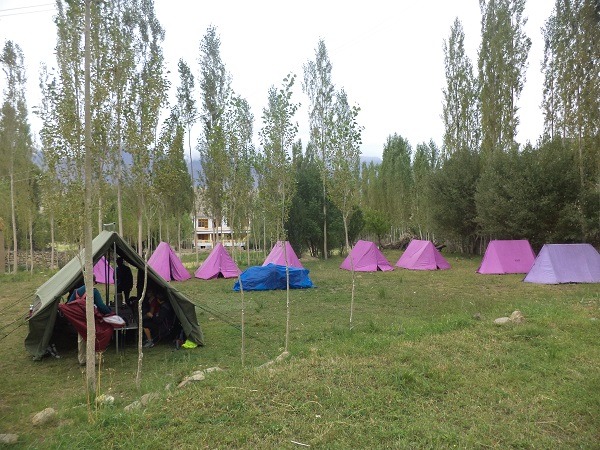
Eco-lodges and tent camps are located immediately near the park entrance. Tezpur also offers hotels for those preferring an urban base.
Photos
Want to discover this destination?
Our local advisors design your tailor-made trip.