Kalipokhri
Kalipokhri
A sacred lake at 3,000 metres altitude on the Singalila Ridge, Kalipokhri is an essential stop on the Sandakphu–Phalut trek, nestled between Himalayan reflections and rhododendron forests.
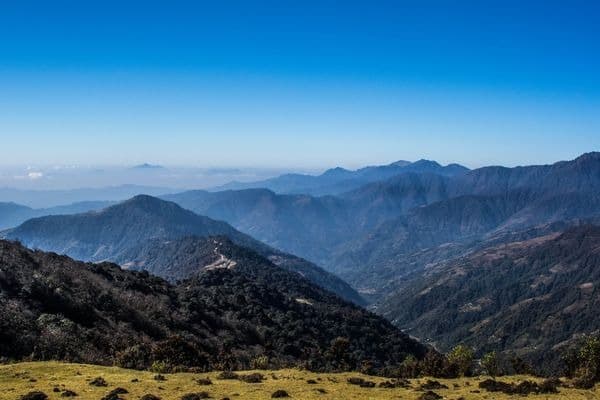
Kalipokhri is a high-altitude lake situated on the border ridge between India and Nepal, in the Singalila massif, at approximately 3,000 metres. Its name literally means "black lake" in Nepali. Surrounded by rhododendron forests and alpine meadows, this sacred lake forms a key stop on the Sandakphu–Phalut trek, one of the most popular high-altitude routes in West Bengal.
Quick facts at a glance
- Access: reachable on foot from Manebhanjan via the Singalila Ridge trek; also accessible by 4×4 jeep on the forest track (permit required).
- Permits: entry permit to Singalila National Park is mandatory, issued at Manebhanjan.
- Gear: warm hiking equipment essential; temperatures extremely low at altitude, even in summer.
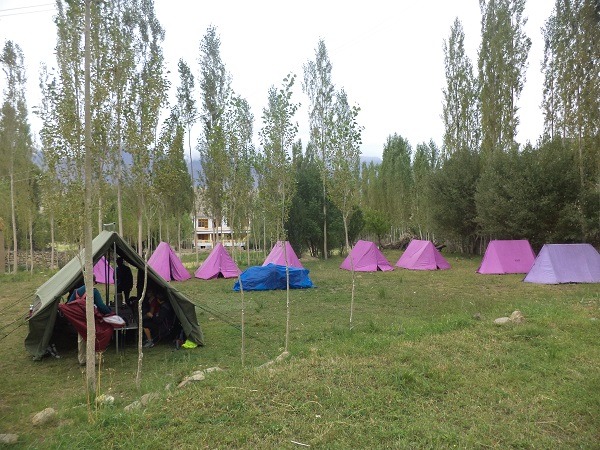
- Recommended duration: half-day stage within the trek framework; option to spend a night at a basic lodge.
- Best time to visit: March–April (rhododendron bloom) and October–November (clear skies, Himalayan views).
What you'll see
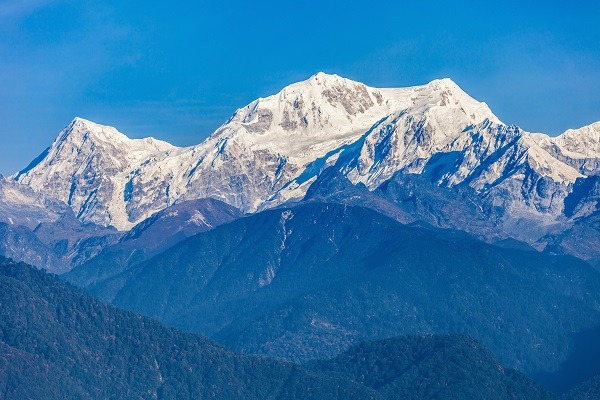
The lake itself is small, with dark, still waters, ringed by alpine vegetation. On clear days, the snow-capped peaks of Kangchenjunga and neighbouring Himalayan ranges are mirrored on its surface. The surrounding forests are home to giant rhododendrons that explode in red and pink shades come spring. Musk deer and red pandas occasionally frequent the forest edges.
History and context
The lake is considered sacred by local Nepali and Tibetan communities. Prayer flags line its shores. It lies within Singalila National Park, established to protect the ecosystem of the Himalayan ridge and its endangered species, including the red panda.
Highlights of your visit
The lake and its reflections
Early morning, before wind disturbs the surface, the lake offers a perfect mirror of the surrounding peaks. The raking light of dawn accentuates the contrast between the dark waters and distant snow.
Rhododendron blooms
In March and April, the slopes around Kalipokhri are carpeted with flowering rhododendrons. This is the most colourful period of the Singalila trek, and Kalipokhri is among its visual highlights.
Himalayan panoramas
In clear weather, the Singalila Ridge offers a direct view of Kangchenjunga (8,586 m), the world's third-highest peak, as well as views of Everest and Makalu from neighbouring high points.
Photography tips
Early morning is best: golden light, calm lake surface, low mists still lingering in the valleys. Avoid midday when clouds often obscure the peaks. A wide-angle lens captures both the lake and the mountain backdrop. Colourful prayer flags make an effective foreground.
Location and access
Kalipokhri sits on the Singalila Ridge, within Singalila National Park, in Darjeeling District. The usual starting point is Manebhanjan, accessible by jeep from Darjeeling. The trek follows the India–Nepal border over several days, with Kalipokhri as an intermediate stage before Sandakphu. A forest track also permits motorised access via 4×4, though trekking remains the most common option.
Nearby attractions
- Sandakphu — West Bengal's highest point (3,636 m), offering panoramic views of the world's four highest peaks.
- Phalut — another iconic peak on the Singalila trek, at the ridge's far end.
- Darjeeling — the departure town for organising the trek, celebrated for its tea plantations and the Toy Train.
Frequently asked questions
March–April for the rhododendron blooms, October–November for the clearest skies and finest Himalayan views. Avoid the monsoon season (June–September): tracks become slippery and visibility is reduced.
Yes. An entry permit to Singalila National Park is mandatory. It is obtained at Manebhanjan, the usual starting point for the trek.
Kalipokhri is a stage on the route to Sandakphu. Most trekkers pass by the lake the day before reaching the summit. It is possible to make the Kalipokhri–Sandakphu return trip in one day from an intermediate lodge.
Very basic lodges (trekkers' huts) exist on-site. Comfort is minimal: bring a warm sleeping bag. Advance booking is advised during peak season.
Yes, a forest track allows access by 4×4 jeep from Manebhanjan. This option is faster but requires a suitable vehicle and the appropriate permits.
Want to discover this destination?
Our local advisors design your tailor-made trip.