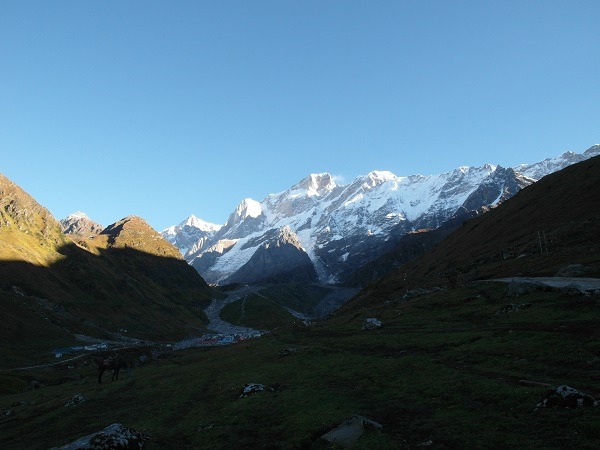
Mount Abu
Mount Abu
Perched in the Aravalli range at 1,220 metres, Mount Abu is Rajasthan's sole hill station. Its intricate Dilwara Jain temples, serene Nakki Lake and verdant forests make it a striking contrast to the arid plains below.
Mount Abu is Rajasthan's only hill station, nestled in the Aravalli mountains at approximately 1,220 metres elevation. This mountain oasis draws Jain pilgrims, Indian families and travellers seeking respite in a state otherwise dominated by desert. Its sculpted temples, central lake and forests create a striking counterpoint to the arid plains surrounding it.
Quick Facts
- Access: The nearest town with a railway station is Abu Road, about 27 km below; taxis and buses connect the two.
- Best time: November to March for pleasant, cool weather; avoid peak Diwali and Dussehra seasons (extreme crowds).
- Suggested duration: 2 to 3 days to explore Dilwara temples, Nakki Lake and viewpoints.
- Dress code: Covered clothing required in Jain temples; shoes must be removed at the entrance.
- Entry fees: Dilwara temples are free for Jain visitors; non-Jains are charged an entry fee.
What to See
Nakki Lake, at the heart of the town, is the natural gathering point: boat rides, street markets and sunsets from its banks. Sunset Point, a popular vantage, offers panoramic views over wooded hills. Mount Abu Wildlife Sanctuary is home to leopards, sloth bears and abundant birdlife, accessible on foot or horseback.
History and Context
The Aravalli are among the world's oldest mountain ranges. Mount Abu was long a retreat for Hindu sages, later becoming a summer residence under British rule. The town owes its spiritual renown to the Dilwara Jain temples, built between the 11th and 13th centuries by wealthy Jain merchants. The Brahma Kumaris movement established its global headquarters here in the 20th century, adding a contemporary spiritual dimension.
Highlights of Your Visit
Dilwara Temples
These five Jain temples are renowned for the exceptional delicacy of their white marble carvings. Coffered ceilings, columns and domes are covered in intricately hand-chiselled floral motifs and figures. The Vimal Vasahi temple (11th century) and Luna Vasahi (13th century) are the most elaborate. Photography is forbidden inside.
Nakki Lake
Legend holds that the gods dug this lake using their fingernails (nakh). Ringed by hills and ghats, it's pleasant to walk alongside early in the morning, before the day's crowds arrive.
Guru Shikhar
The highest point of the Aravalli at 1,722 metres, Guru Shikhar hosts a small temple dedicated to Dattatreya. A road climbs to the summit; the view over the plateaus and Gujarat plains is clear on fine days.
Achalgarh
This ruined medieval fort, a few kilometres north, is associated with the Paramara dynasty. Nearby are active Hindu temples and a lake surrounded by carved stone buffalo sculptures.
Etiquette and Visiting Rules
- Remove your shoes before entering any temple (Jain or Hindu).
- Covered clothing (shoulders and knees) is required in Dilwara temples.
- Photography is strictly forbidden inside Dilwara temples.
- Avoid leather items (belts, bags) in Jain temples.
- Speak softly; temples are active places of worship.
Photography Tips
Golden morning light is ideal around Nakki Lake and on the ghats. For temple exteriors, arrive early to beat the crowds. Guru Shikhar photographs best late morning, before heat haze obscures the plains. The wildlife sanctuary's forests offer beautiful dappled light in early daylight.
Location and Access
Mount Abu is in Sirohi district, southwestern Rajasthan, near the Gujarat border. Abu Road station (on the Ahmedabad–Delhi line) is the main rail gateway; shared taxis and state buses connect it to the hill town. From Udaipur, allow about 3 hours by road. From Ahmedabad, approximately 4 hours.
The town centre is accessible by car. Some sites (Guru Shikhar, Achalgarh) require a vehicle or local taxi. Accessibility for visitors with reduced mobility is limited on trails and in historic temples.
Nearby Attractions
- Udaipur — Rajasthan's "City of Lakes," about 3 hours away, with lakeside palaces and traditional havelis.
- Ranakpur — Another outstanding complex of Jain temples, midway between Mount Abu and Udaipur.
- Jodhpur — The Blue City and its Mehrangarh Fort, roughly 4 to 5 hours northeast.
- Ahmedabad — Gujarat's leading city, about 4 hours south, with UNESCO-listed historic quarters.
Frequently asked questions
November to March offers pleasant, cool weather. Summer (April–June) is more bearable than the plains, attracting many Indian visitors. The monsoon (July–September) turns the hills lush green, but roads can become slippery.
No. Photography is prohibited inside all Dilwara temples. You may photograph the exteriors and courtyards.
The drive between Udaipur and Mount Abu takes roughly 3 hours by car or taxi. State buses also link the two towns. There is no direct rail connection; the nearest station is Abu Road.
Yes. Covered shoulders and knees are mandatory in Dilwara Jain temples. Shoes are removed at the entrance. Avoid leather accessories out of respect for Jain tradition.
Yes. Mount Abu fits well into a Rajasthan–Gujarat itinerary: Udaipur, Ranakpur and Jodhpur are all within a few hours' drive. Ahmedabad in Gujarat is equally accessible.
Mount Abu Wildlife Sanctuary is home to leopards, sloth bears, hyenas and numerous bird species. Sightings of large mammals remain rare and luck-dependent; early morning walks improve your chances.
Photos
Want to discover this destination?
Our local advisors design your tailor-made trip.