Kolkata
Kolkata
Once the British capital of India, Kolkata blends colonial architecture, religious fervor, and intense cultural life. Victoria Memorial, Howrah Bridge, Kumartuli, and Durga Puja make it a major stop in eastern India.
Kolkata — formerly Calcutta — is the capital of West Bengal, on the eastern bank of the Hooghly River. Once the capital of British India, it concentrates imposing colonial architecture, intense intellectual and artistic life, and Bengali cuisine renowned across the subcontinent. The city is dense, loud, contradictory: precisely what makes it unforgettable.
Practical Information at a Glance
- Best time to visit: October to March (dry season, comfortable temperatures).
- To avoid: June to September — intense monsoon, humid heat.
- Recommended duration: 3 to 5 days to cover main neighborhoods.
- Access: Netaji Subhas Chandra Bose international airport (CCU), connected to major Indian cities and several international destinations.
- Urban transport: metro (east-west and north-south lines), trams, buses, yellow taxis, hand-pulled rickshaws in certain neighborhoods.
- Dress code: covered clothing recommended for temples and mosques.
What to See
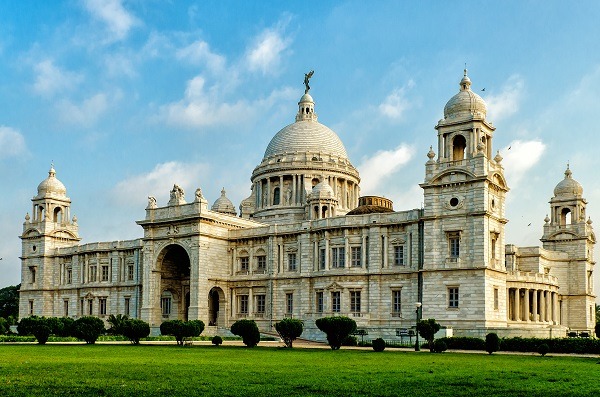
Kolkata is best explored neighborhood by neighborhood. The Maidan, a vast green space in the heart of the city, is bordered by the Victoria Memorial, a white marble monument erected as a tribute to Queen Victoria. The BBD Bagh neighborhood (formerly Dalhousie Square) groups the most imposing colonial buildings: Writers' Building, General Post Office, High Court. To the north, Kumartuli is the artisan neighborhood where clay idols are shaped for major religious festivals.
History and Context
Founded in 1690 by Job Charnock, agent of the English East India Company, Kolkata rapidly becomes the center of British colonial commerce and power. It remains the capital of India until 1911, when the seat moves to New Delhi. This past leaves a unique architectural imprint: Neoclassical, Victorian Gothic, and Baroque stand side by side in the streets of the center. The city is also the birthplace of the 19th-century Bengali Renaissance movement, which produced Rabindranath Tagore, Nobel Prize in Literature winner in 1913.
Highlights of Your Visit
Victoria Memorial
Built between 1906 and 1921 in Makrana marble, this monument houses a museum tracing colonial history and the life of Queen Victoria. The gardens surrounding it are a popular evening promenade destination.
Howrah Bridge
The Howrah Bridge, a cantilever bridge over the Hooghly, is one of the world's busiest bridges. Seeing it at dawn from the Mullick Ghat steps, with boats and the flower market below, is a memorable experience.
Mullick Ghat Flower Market
Active from 4 a.m., this market supplies temples and ceremonies with garlands of marigolds and roses. Activity is maximum at dawn; the smell and color are striking.
Kumartuli
In this artisan neighborhood, family workshops produce statues of deities — Durga, Kali, Saraswati — in straw, clay, and natural paint year-round. Visits are free and artisans readily welcome the curious.
Durga Puja
In October, the entire city transforms for this five-day festival. Thousands of pandals (temporary structures) house elaborate Durga idols. It is the most important cultural event in Bengal, inscribed on UNESCO's intangible heritage list since 2021.
Park Street Neighborhood
A historic artery of nightlife and dining, Park Street concentrates old restaurants, bookstores, and cafés. The South Park Street Cemetery, dating from the 18th century, is a rare testament to the early colonial period.
Photography Tips
- Victoria Memorial: golden light in late afternoon, reflections in pools.
- Howrah Bridge: dawn recommended — mist over the river, flower market activity in the foreground.
- Kumartuli: natural light in workshops; always ask permission before photographing artisans.
- Trams: old yellow trams in central streets offer characteristic framing; late afternoon light recommended.
Location and Access
Kolkata is located in eastern India, at the mouth of the Ganges delta. CCU airport is approximately 17 km from the city center; the journey by taxi or metro (airport line) takes between 45 minutes and 1.5 hours depending on traffic. Howrah Station is one of India's most important railway hubs, with connections to Delhi, Mumbai, Chennai, and Varanasi. The urban metro covers the main north-south and east-west axes.
Nearby
- Sundarbans — UNESCO-listed Ganges delta, habitat of the Bengal tiger, accessible by boat from Kolkata.
- Bishnupur — city of terracotta temples from the 17th century, approximately 130 km to the northwest.
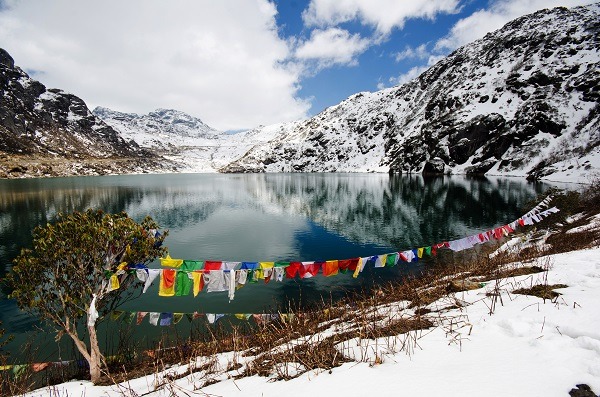
- Darjeeling — mountain station and tea plantations in the foothills of the Himalayas, connected by the Darjeeling Himalayan Railway steam train.
- Shantiniketan — university town founded by Rabindranath Tagore, center of Bengali crafts and culture.
Frequently asked questions
From October to March, the dry season offers pleasant temperatures. October coincides with Durga Puja, a time of intense cultural activity. Avoid June to September: the monsoon makes travel difficult and humid heat is oppressive.
Three days allow you to cover major sites (Victoria Memorial, Howrah Bridge, Kumartuli, BBD Bagh). Five days provide time to explore neighborhoods more thoroughly and take a day trip to the Sundarbans.
Yes, if you accept intense crowds. The pandals are spectacular, the atmosphere is unique. Reserve accommodation and transport well in advance: the city is saturated during the five days of the festival.
Easily. Darjeeling and the Sundarbans are the most common day trips. Varanasi is accessible by overnight train. Kolkata works well as an entry or exit point for a circuit in eastern India.
For Hindu temples and mosques, covered clothing (shoulders and knees) is required. Remove your shoes before entering places of worship. In public spaces, modest dress is recommended.
The metro is the fastest way for main axes. Yellow taxis and ride-hailing apps cover the rest. Trams, while slow, remain an experience in themselves in central neighborhoods.
Photos
Want to discover this destination?
Our local advisors design your tailor-made trip.