Kanji La Base Camp
Kanji La Base Camp
Hidden in the heart of western Ladakh, the Kanji La trek leads to an isolated pass at 5,271 m, in a stark, silent, and virtually untouched landscape. A complete practical guide.
Lost in the vastness of western Ladakh, the Kanji La base camp marks the beginning of a rare adventure at the heart of a mineral-rich, silent landscape that remains largely untouched. This campment is not a destination in itself, but rather a gateway to one of Ladakh's most isolated and spectacular passes, the Kanji La, at 5,271 meters altitude. The trek leading to this pass attracts hikers in search of solitude and raw beauty.
Access to the Kanji La Camp
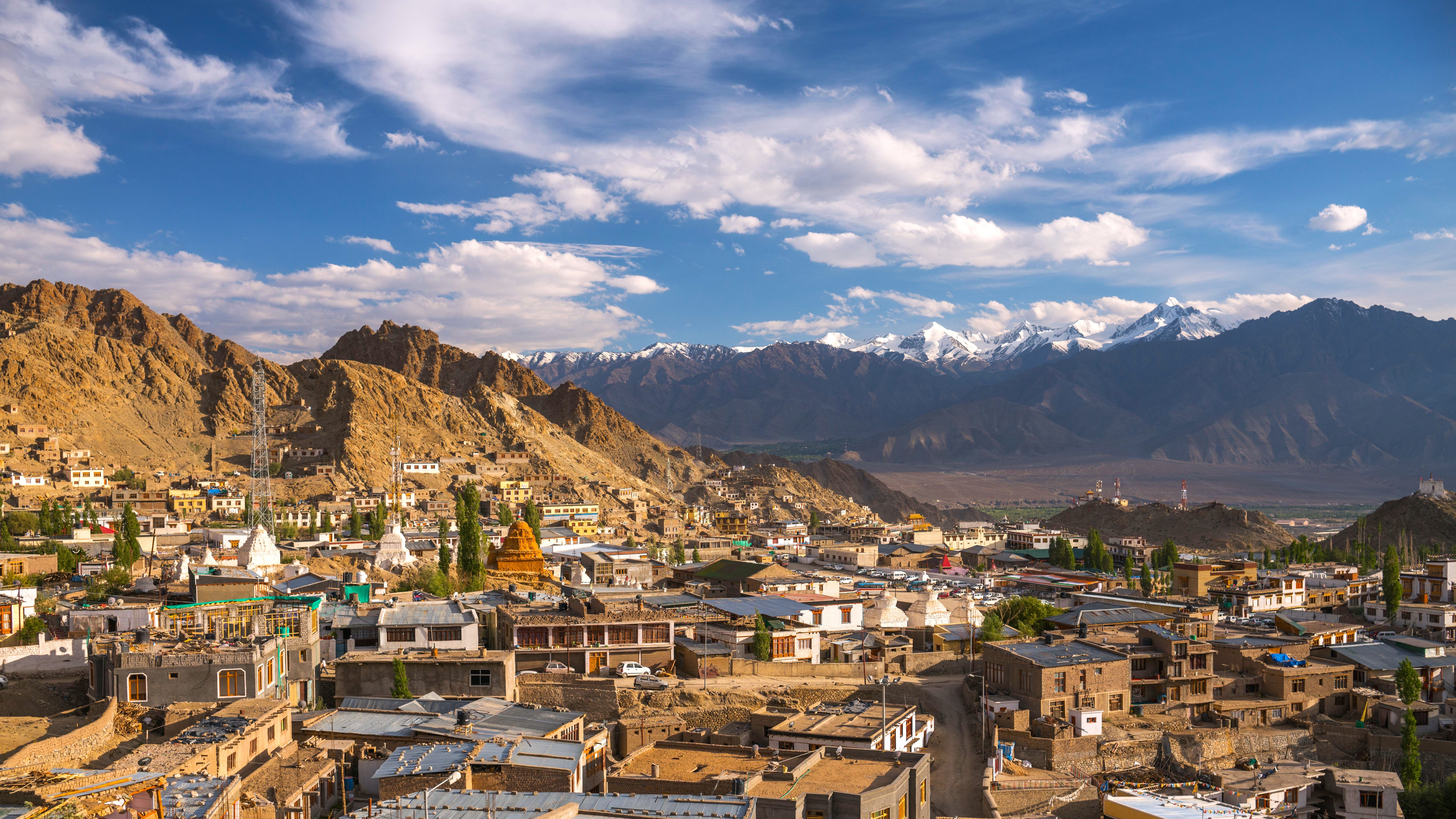
Your entry point to the region is Leh, Ladakh's capital, accessible by air from Delhi, Mumbai, or Srinagar. After a day of acclimatization in the city (3,500 m altitude), you'll head by road toward Kanji village, approximately 5 to 6 hours away.
Perched at 3,875 meters altitude, Kanji is an isolated hamlet of about fifty families, nestled at the junction of three valleys. Its whitewashed houses, barley fields, and dry stone walls create a peaceful atmosphere, ideal for physical and mental preparation.
The Trek to Base Camp
From Kanji village, the ascent to the Kanji La camp typically takes place on the second day of trekking. Plan for 6 to 7 hours through varied landscapes: lush pastures, glacial streams, narrow gorges, and small nomadic settlements called Doksa.
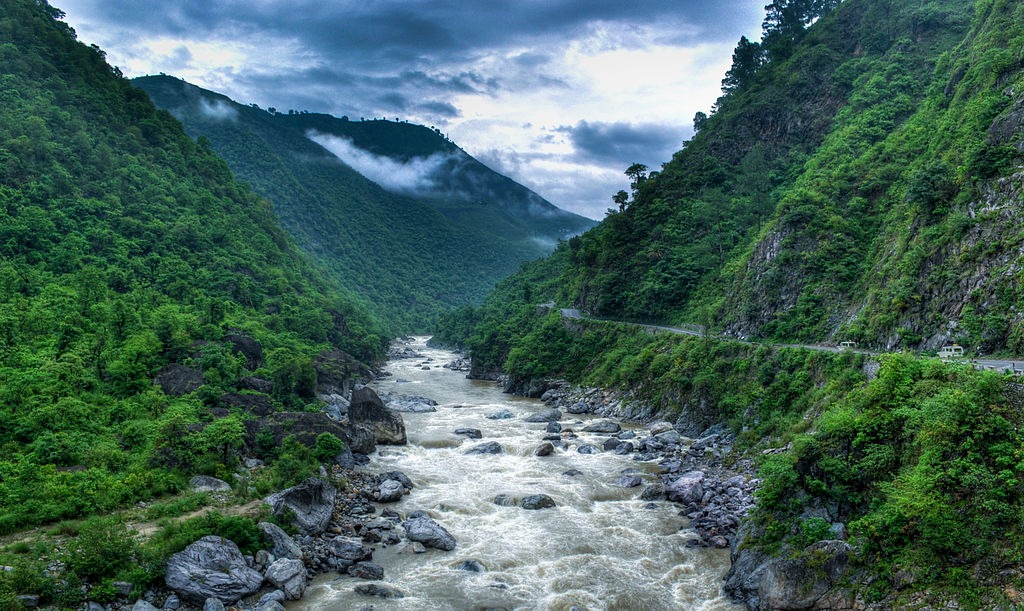
The trail follows rivers that must sometimes be crossed on foot (sturdy sandals are highly recommended). Your efforts are generously rewarded by spectacular panoramas and the silent, mineral atmosphere of high altitude. The campment, at approximately 4,345 meters altitude, sits near a natural mineral spring.
Landscapes and Wildlife
The trek to Kanji La immerses you in spectacular nature. Here, no roads, no cell service—only the vastness of the Himalayas. You'll cross barley and pea fields, walk along cliffs carved by erosion, and trek beneath snow-capped peaks. With a bit of luck, you may spot marmots, ibex, or even traces of the snow leopard.
In summer, the slopes are blanketed with alpine flowers: edelweiss, gentians, and rhododendrons. The sky is often an intense blue, contrasting sharply with the ochre and slate tones of the surrounding mountains.
What to See During Your Adventure?
The Kanji La Pass
This is the trek's highest point. The ascent from camp begins early in the morning and takes several hours. From the summit, the views are breathtaking: the Zanskar and Ladakh ranges stretching endlessly, snow-capped peaks and notably Nun and Kun, two giants towering above 7,000 meters.
Kanji Village
Before or after your trek, take time to explore this typical Ladakh village, with its small monasteries (lha-khang), prayer wheels, and smiling inhabitants. In late afternoon, the play of light on the houses and surrounding mountains offers superb photo opportunities.
Phuktal Gompa
If you extend your itinerary southward, you can reach the Phuktal Monastery, an exceptional site clinging to the cliff face. It's one of the region's most spectacular monasteries.
Other Possible Routes
The trek can continue toward Rangdum, Lamayuru, Lingshed, or via the passes of Yokma La and Nyigutse La, for longer adventures in even more remote areas.
Practical Tips
Difficulty Level
This trek is physically demanding. It's best suited for those with good physical fitness and altitude experience.
Altitude
The entire route unfolds above 3,500 meters. Take time to acclimatize in Leh.
Gear
Bring complete camping equipment, warm clothing for cold weather, and sturdy sandals for river crossings.
Best Season
The ideal trekking season in the region runs from June through late August, when passes are clear and weather is more stable.
Guidance
If you're not experienced with independent trekking, it's better to join a local agency or hire an experienced guide.
Want to discover this destination?
Our local advisors design your tailor-made trip.