Cochin (Kochi)
Cochin (Kochi)
Gateway to Kerala, Kochi blends Portuguese, Dutch, Jewish and Chinese heritage. Here's how to capture its essence in 2 or 3 days.
Beyond its status as an active industrial port, Kochi stands out as an exceptional tourist destination, boasting history-laden monuments, numerous boutiques, culinary stops and a beautiful beach.
History
Cochin experienced its rise at the dawn of the 15th century, following the decline of Cranganore, the capital of the Chera dynasty, before becoming a small kingdom. With the permission of the rajas of Cochin, the Portuguese who had just arrived on the Malabar coast, led by the illustrious navigator Vasco da Gama, established a trading post at the heart of the city.
In 1544, the city hosted a mission initiated by Saint Francis Xavier. During this period, the Jews residing in the region experienced considerable hardship under Portuguese rule.
Arriving on the Malabar coast in 1595, the Dutch took control of Cochin in 1663. The Dutch period brought the city a new era of prosperity, until the British invasion in 1795. The Anglo-Dutch treaty of 1814 marked the end of Dutch rule in Cochin, with the Netherlands receiving control of the island of Banca in return.
Many years later, in 1995, the city was renamed Kochi.
Today
Kochi represents the largest metropolitan area in the state of Kerala. Enjoying a privileged location on the Malabar coast, the city, which houses one of India's main ports, is divided into three parts: Fort Kochi located on the Mattancheri peninsula and considered the historic heart of the city, the artificial island of Willingdon, and the city of Ernakulam on the mainland. Two small islands lie nearby: Bolghatty and Vypin.
A stroll on foot is the best way to discover the charms of Kochi. Prepare yourself—the city and its monuments reserve an intoxicating escape. Relax, breathe in fresh air, slip on light shoes, don a straw hat and set off on an adventure! Wonder awaits you around every corner of this history-laden city.
Begin your sightseeing journey with a visit to Fort Immanuel, located at the start of K. J. Marshal Street. This bastion dating from 1503 bears witness to the strategic alliance between the Portuguese Monarch and the Maharaja of Cochin. A little further on, you'll find the Dutch cemetery, where tombstones pay homage to European explorers who once left their homeland to conquer the world.
The next attraction to discover is the Old Thakur House, dating from the colonial period. Once called "Kunal or Hill Bungalow," this graceful residence housed a National Bank of India officer during the British era. Today, the establishment is managed by the tea trading company "Thakur and Company." Continue your tour of Kochi by passing through the David Hall, erected by the Dutch East India Company in 1695. This building is linked to the illustrious Dutch commander Hendrick Adriaan van Reed tot Drakeston, known as much for his military status as for his research on Kerala's flora.
Past the Parade Ground, where Portuguese, Dutch and British soldiers once marched, you'll reach St. Francis Church. Built in 1503 by the Portuguese, it is India's oldest European cathedral. The remains of Vasco da Gama and his tombstone are carefully preserved here. At the edge of Church Street, the Bastion Bungalow proudly displays its Indo-European architecture. Once attached to the Stromberg Bastion of the old Dutch fort, this building dating from 1667 today houses the deputy collector's office.
Nearby sits the Vasco da Gama Square. Take advantage of the calm surroundings to catch your breath. Treat yourself to a culinary pause at the food stalls dotting the site. Seafood and coconut-based dishes will delight your palate. Savor your meal while admiring the panoramic sea views and the spectacle of the Chinese fishing nets. It was the merchants of Kublai Khan who installed these cantilevered fishing nets between the 14th and 15th centuries.
Once refreshed, head to the Pierce Leslie Bungalow, once the office of coffee merchant Pierce Leslie and Co. The verandas of this charming residence offer breathtaking views of the sea. Not far from the residence, take a detour to the florist on Princes Street. You'll find a variety of fresh flowers ideal as souvenirs.
Among the other historical monuments visible in Kochi are also the Santa Cruz Basilica, the Delta Study Bungalow, Vasco da Gama's house on Rose Street, Ridsdale Road and its VOC gate, the Bishop's House, built in 1506, and more.
Beyond the picturesque buildings, Kochi also boasts a beautiful beach conducive to water sports and leisurely relaxation. After touring the historical sites, treat yourself to a moment of respite with your feet in the water, unwind completely on the shore and let yourself be cradled by the fresh breeze from the Indian Ocean.
Climate
Located in a savanna climate zone with a dry winter, the city of Kochi experiences significantly greater rainfall in summer than in winter. Throughout the year, the average temperature stands at 27.5°C.
Among the industrial and commercial hubs of the Subcontinent, Kochi is served by air, road, rail and sea routes. Other operational infrastructure in the city includes an international airport, a road network, two railway stations and a port.
For your movements on the mainland, you can choose between buses, taxis and rickshaws. To reach the various islands, the ferry is the most economical means, though private services are also available.
What to do in Kochi?
- Tour the numerous historical monuments
- Taste seafood from the region
- Browse souvenirs at shops lining the city streets
- Enjoy water sports on the beach, and more
Attractions in Cochin (Kochi)
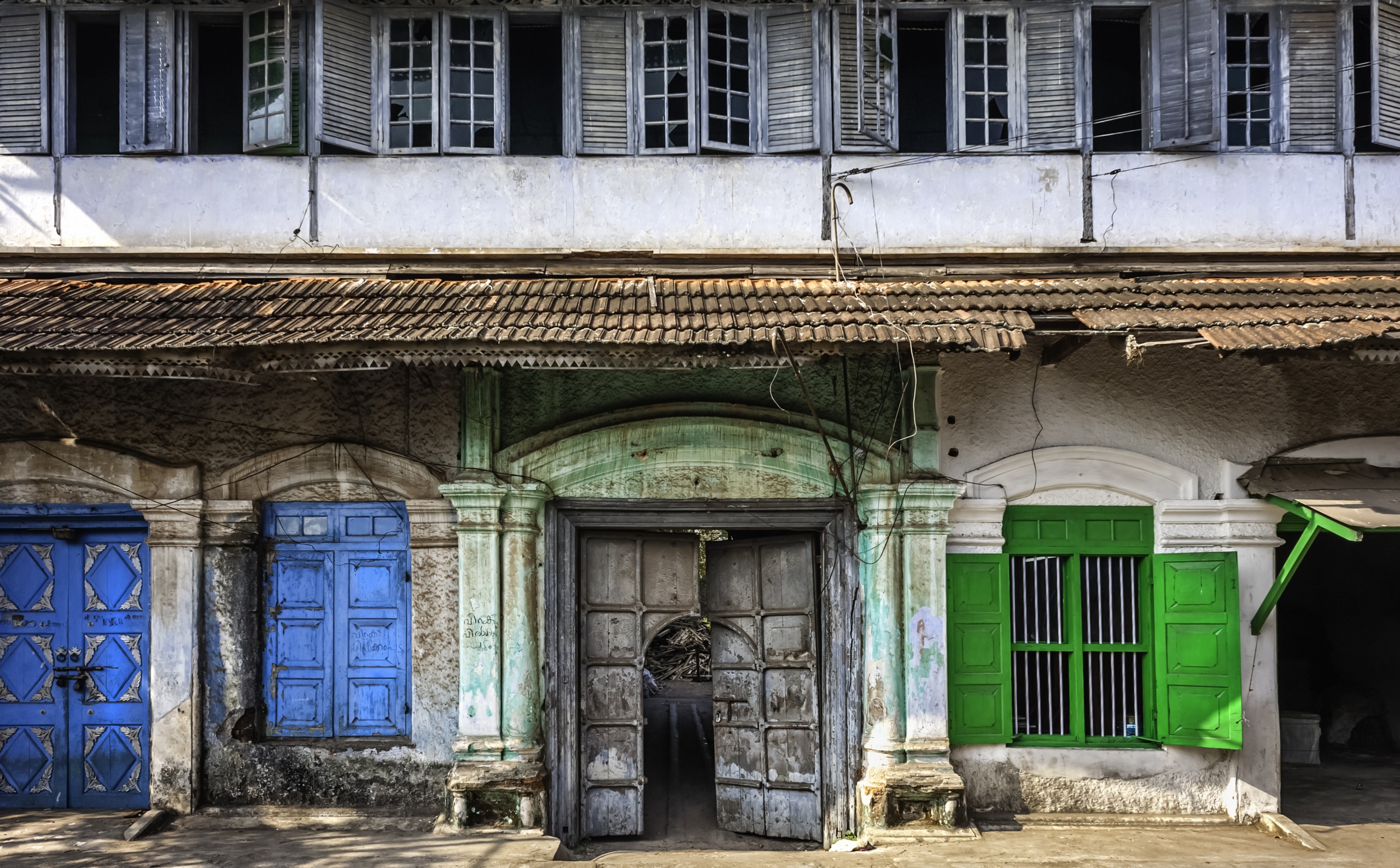
Fort Kochi
Fort Kochi, quartier historique de Kochi au Kerala, concentre cinq siècles d'influences portugaise, hollandaise, britannique et chinoise sur la côte de Malabar.
Kalaripayattu
Le Kalaripayattu est l'un des arts martiaux les plus anciens du monde, né au Kerala. À Kochi, des écoles traditionnelles ouvrent leurs portes pour des démonstrations de combats à l'arme et d'acrobaties héritées d'une tradition guerrière de plus de deux mille ans.
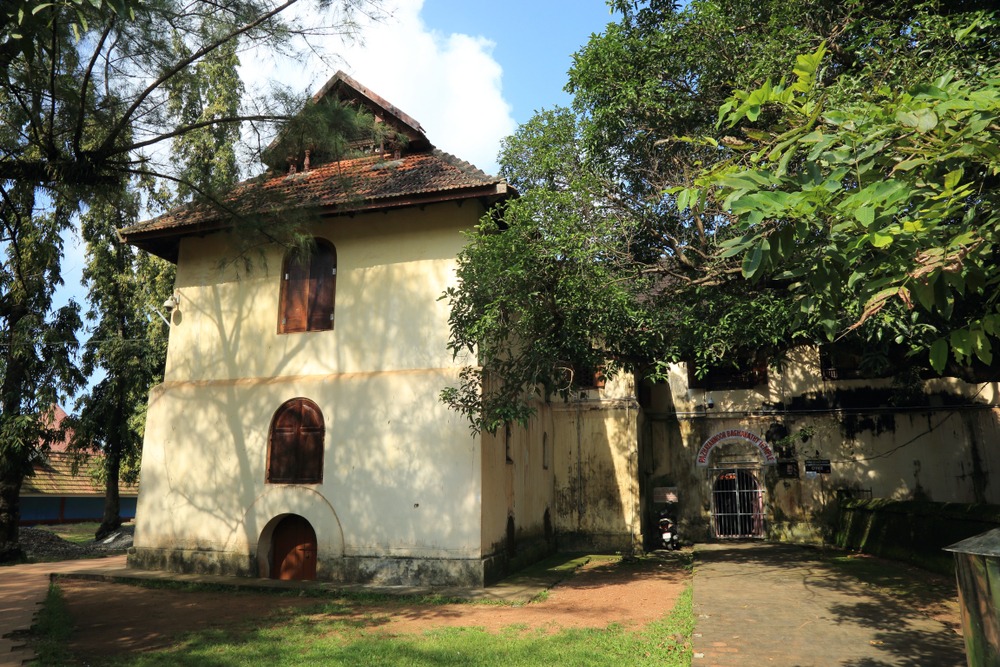
Palais de Mattancherry
Construit par les Portugais en 1555 et rénové par les Néerlandais, le palais de Mattancherry à Cochin abrite des fresques hindoues du XVIᵉ siècle.
Accommodation in Cochin (Kochi)
See all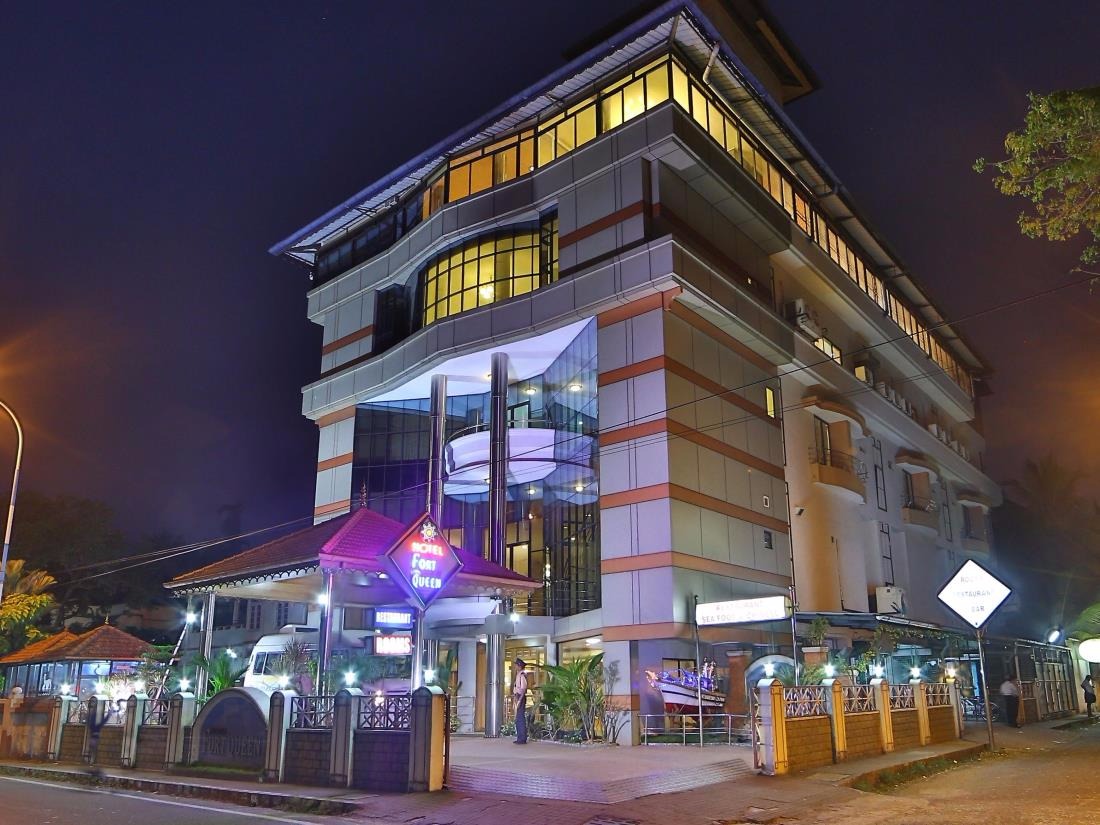
Fort Queen
Hôtel à taille humaine au cœur du quartier historique de Fort Cochin, fondé par Pauly Joseph. 18 chambres et trois restaurants pour explorer le Kerala.
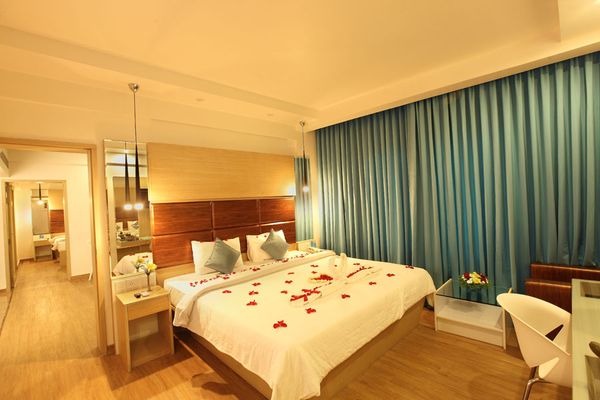
The Dunes
Hôtel 4 étoiles classe affaires en centre-ville de Kochi, au Kerala, avec fitness, piscine intérieure et spa. Une étape urbaine confortable pour explorer Cochin.
Abad Atrium
Want to discover this destination?
Our local advisors design your tailor-made trip.