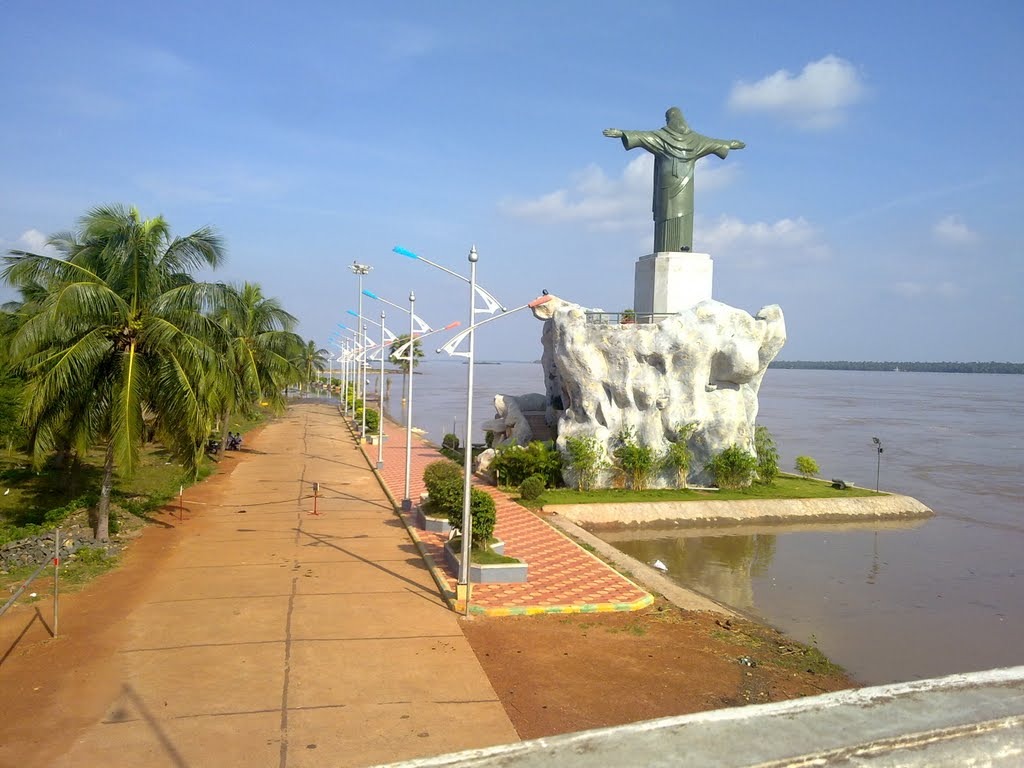
Bhubaneswar
Bhubaneswar
Capital of Odisha, Bhubaneswar is home to over 700 Kalinga temples and forms the Golden Triangle of Eastern India alongside Puri and Konark.
Bhubaneswar is nicknamed the "Temple City". Travelers appreciate it for its pastoral atmosphere, rich cultural heritage, architectural legacy, and pleasant sunshine.
History
The origins of Bhubaneswar trace back to the 3rd century B.C., during the Kalinga period. Emperor Kharavela established his capital at Sisupalgarh, just a short distance from Bhubaneswar. The numerous temples built during his reign represent masterpieces of Kalinga architecture. During this era, Jainism thrived as the dominant religion, as evidenced by the Hathigumpha inscriptions visible in the Udayagiri and Khandagiri caves. Between the 5th and 12th centuries, Shaivism and Vaishnavism gradually took root in the city. Numerous sculptures and artistic masterpieces reflect the influence of these religions in Bhubaneswar. In the 15th century, the city was conquered by the Mughals, then reclaimed by the Marathas in the 18th century. Later, the British took over and introduced administrative changes. Finally, following India's independence in 1947, Bhubaneswar was furnished with new infrastructure, including parks and gardens designed by German architect Otto Königsberger.
Today
Capital of Odisha, Bhubaneswar has much to offer in terms of attractions and discoveries. As you explore, you'll discover that the city embodies a true escape from the everyday. Beyond its magnificent coastline, ancient temples await exploration. Several learning centers are also worth visiting for vacations that are both relaxing and enriching. Additionally, Bhubaneswar offers a pleasant shopping experience. Food enthusiasts can satisfy their cravings while discovering local flavors, including freshly caught seafood. Your adventure extends beyond the city to nearby destinations like Puri, Konark, and Cuttack.
During a visit to Bhubaneswar, it's impossible to miss the temple spires reaching toward the clouds. Among other monuments and religious sites to explore are the Lingaraj Temple, the Dhaula Giri Hills Buddhist pagoda, and the Udayagiri and Khandagiri caves. Bhubaneswar is also an exciting destination to experience Indian traditions. The city hosts numerous fairs and festivals each year showcasing its cultural heritage. Among the major events are the Ekamra Festival, which celebrates both local culture and cuisine, the Kalinga Mahotsav, which promotes martial arts, and the Rajarani Music Festival, which offers a fascinating journey into classical and traditional music. From dance to cinema, music to craftsmanship, you'll see that the arts are very much alive in this part of India. Odissi dance, which incidentally is one of eight ancient classical dance forms in India, originated in the temples of Bhubaneswar according to archaeological evidence. Regarding religious festivals, the most important are Diwali, Shivratri, and Navratri.
Furthermore, the Odisha State Museum offers a fascinating overview of the city's rich past. The institution houses an extensive collection of archaeological relics, crafts, and ancient weapons.
Climate
Summer in Bhubaneswar is hot and humid, typically running from March through May. This is followed by the monsoon season, which lasts from June to September. During this period, moderate to heavy rainfall provides relief from the heat. The average annual rainfall is about 1,540 mm. Winter begins in December and lasts until February, with temperatures around 12°C during this period. Considering the climate, the best time to plan a visit to Bhubaneswar would be October and February.
Bhubaneswar has its own airport connected to several international cities, including London, Melbourne, and New York.
On the road front, numerous government and private bus operators serve Bhubaneswar from different parts of the country, connecting the city to Hyderabad, Mumbai, Ranchi, and Kolkata, among others. The main bus terminal in Bhubaneswar is Baramunda Station. With well-maintained national highways throughout Odisha, driving is an excellent option for reaching the city, though conditions may deteriorate during the rainy season.
Bhubaneswar serves as a junction point for Eastern India's railways, offering excellent rail connections to major cities across the country. Available connections include Delhi, Chennai, Kolkata, Bangalore, Mumbai, and more.
The extensive bus network covering the city makes it easy for tourists and residents to get around Bhubaneswar. You can also travel by autorickshaw, the most practical and popular mode of transportation in India. This three-wheeled vehicle is perfect for short distances and is affordable. Additionally, taxi services operate throughout Bhubaneswar for travelers who prefer comfortable travel within and around the city. If you'd like to drive yourself, car rental agencies offer simple rental procedures. A driver can accompany you for an additional fee.
What to Do in Bhubaneswar?
- Visit the Lingaraj Temple
- Discover local culture and traditions at festivals
- Indulge in the city's dining scene
- Explore the Odisha State Museum, and more
Attractions in Bhubaneswar
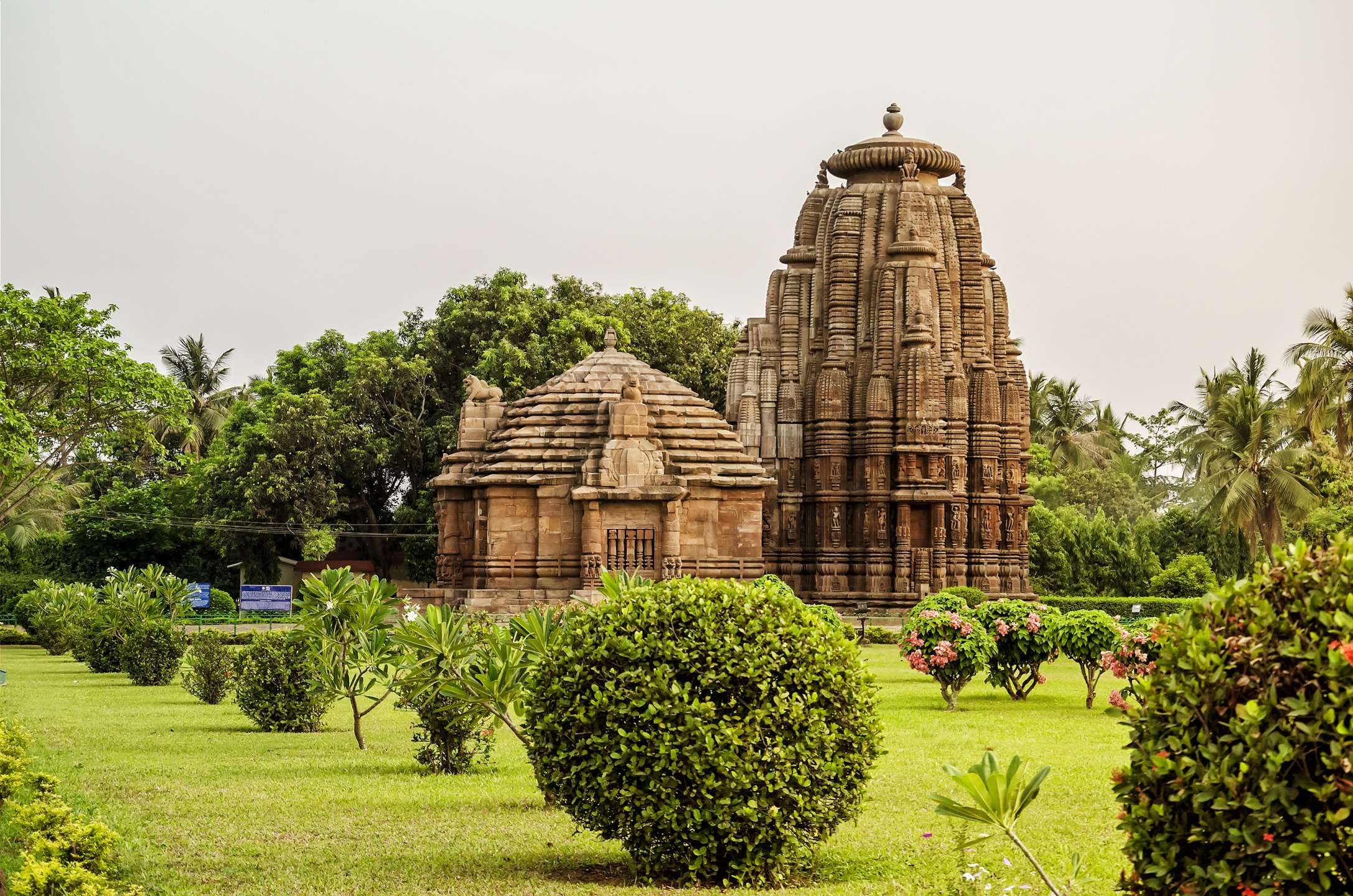
Rajarani Temple
Sanctuaire Kalinga du XIe siècle à Bhubaneswar, le Rajarani Temple est célèbre pour ses sculptures de couples et son festival de musique classique en janvier.
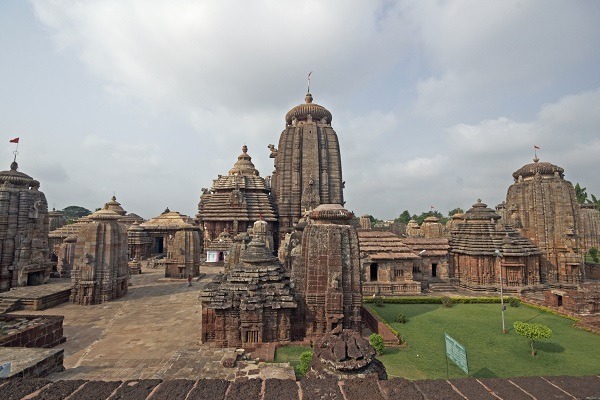
Lingaraja Temple
Édifié au XIᵉ siècle à Bhubaneswar, le temple Lingaraja est un haut lieu shivaïte de style Kalinga, toujours en activité autour du lac Bindu Sagar.
Accommodation in Bhubaneswar
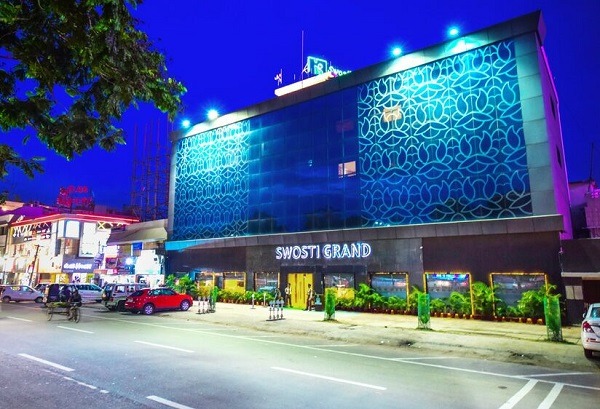
Hotel Swosti Premium
Hôtel de conventions urbain à Bhubaneswar (Odisha), à proximité des temples Lingaraj et Raja Rani et des grottes jaïnes de Khandagiri-Udayagiri.
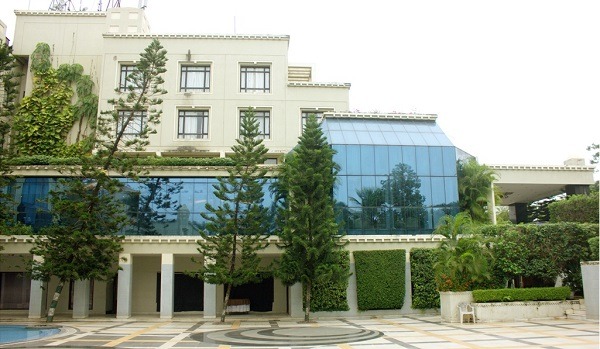
The Crown
Hôtel urbain de Bhubaneswar avec 80 chambres, trois restaurants thématiques, quatre salles de banquet et équipements complets pour séjours d'affaires ou étape culturelle en Odisha.
Want to discover this destination?
Our local advisors design your tailor-made trip.