Bedni Bugyal
Bedni Bugyal
A sacred alpine meadow at 3,354 meters elevation, Bedni Bugyal rewards a 6-day trek through Uttarakhand, where rhododendron forests and Himalayan peaks frame an unforgettable journey.
Northern India remains a little-known playground for foreign travelers. Yet this region hides extraordinary treasures worth discovering. Among the wonders of this part of the subcontinent lies Bedni Bugyal, an alpine meadow situated at 3,354 meters elevation. Lush and dotted with a small lake, it exudes a singular charm that captivates nature lovers and landscape enthusiasts alike. From here, you enjoy a stunning view of the magnificent snow-capped peaks of Trisul and Nanda Ghunti. Absolutely essential to add to your list of off-the-beaten-path destinations to explore in India!
Bedni Bugyal, a place of singular beauty
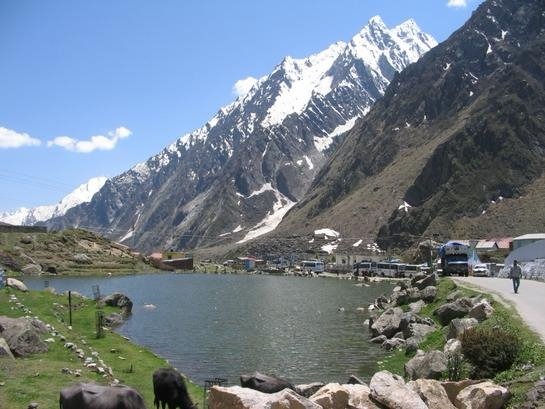
Bedni Bugyal stretches like a sea of green grass at the heart of the Himalaya. This alpine meadow, one of the most celebrated in Uttarakhand state, impresses immediately with the harmony of its landscapes. The snow-capped summits of Trisul and Nanda Ghunti rise on the horizon, drawing a clear and striking line that seems to hover above the world. At its feet, the grass undulates in the wind, dotted with wildflowers in vibrant colors depending on the season.
In fine weather, Bedni Bugyal transforms into a vast vegetative carpet, vibrant beneath daylight. A pure blue sky, distant slopes carpeted in dense forests, and silence barely disturbed by bird calls or the rustling wind create an atmosphere of total peace. A small natural lake, Bedni Kund, adds to the place's beauty. This mirror of water sometimes reflects the peaks, as if to remind us of nature's quiet power.
The pristine setting attracts travelers seeking calm and exceptional landscapes. Unlike other, busier Himalayan sites, Bedni Bugyal remains unspoiled, far from crowds. It is a place to be discovered on foot, patiently, and one that rewards effort with total immersion in raw nature.
Bedni Bugyal, a cultural and spiritual landmark
Bedni Bugyal is more than just a majestic backdrop. It is also land steeped in belief and tradition. For centuries, this meadow has been linked to the worship of Goddess Nanda Devi, a divine figure venerated throughout the Garhwal region. Villagers, herders, and pilgrims consider her a protective deity of the mountains, and Bedni Bugyal is one of the waypoints along the great pilgrimage Nanda Devi Raj Jat Yatra, organized every twelve years.
During this spiritual journey, hundreds of devotees walk several hundred kilometers to honor the goddess. The meadow then welcomes a peaceful crowd, sacred chants, and rituals passed down through generations. Bedni Kund lake, in particular, plays a central role: according to legend, it is blessed by Nanda Devi's presence, and its waters are perceived as purifying.
Outside the pilgrimage season, Bedni Bugyal remains a place of contemplation for inhabitants of neighboring valleys. Small shrines, carved stones, and offerings testify to the close bond between this landscape and the sacred. Walking here means also walking in the footsteps of ancient tales, in a space where nature and spirituality meet without pretense.
The Ali Bedni Bugyal trek, leading to the discovery of the meadow and other sites in the region
To reach Bedni Bugyal, no vehicle will take you there. You must walk. This is precisely what makes the Ali Bedni Bugyal trek so compelling—it is considered one of the finest mid-altitude routes in the Indian Himalaya.
The adventure begins at the village of Lohajung, accessible by jeep from Rishikesh or Kathgodam. From the first kilometers, the path climbs through oak and rhododendron forests. Then the scenery changes, trees become sparse, and a wide meadow appears on the mountainside: Ali Bugyal. Vaster and more open than Bedni, this first stage offers an impressive panoramic view of the surrounding peaks. This is where you begin to feel the grandeur of the Himalayan landscape.
Continuing on, you reach Bedni Bugyal, more intimate, more wild. The contrast between the two meadows makes the journey even more captivating. But the trek doesn't stop there. Some hikers continue toward Patar Nachauni, or even to the remains of Roopkund, the mysterious lake with skeletons, though this extension is more challenging and subject to restrictions.
Throughout the walk, trekkers encounter shepherd camps, transhumant herds, and smiling villagers. The march proceeds without haste. Each day offers a new viewpoint, a new atmosphere, between morning mist, golden sunsets, and a star-filled sky of striking clarity.
The trek can be completed in 5 to 6 days. It presents no major technical difficulty, but altitude and elevation gain require a minimum of fitness. Most travelers choose to be accompanied by a local guide, who handles logistics and willingly shares knowledge about wildlife, plants, and local traditions.
It is an ideal itinerary for a first immersion into the Indian Himalaya. It blends nature, culture, and adventure, never becoming excessive. The kind of experience from which you return transformed, your heart a little lighter, and your mind filled with peaks.
Practical information
Access
The trek's starting point is the village of Lohajung, located approximately 220 km from Rishikesh.
From Rishikesh or Haridwar, it is possible to reach Kathgodam by train or bus, then take a taxi or shared jeep to Lohajung (7 to 9 hours of driving).
The road is winding, but offers beautiful panoramas over Himalayan valleys.
Best season to hike Ali Bedni Bugyal
The ideal period extends from May to June and September to October.
- In spring, the meadow is covered with flowers and temperatures are pleasant.
- In autumn, the sky is clearer, perfect for admiring snow-capped peaks.
Avoid the monsoon (July–August) due to heavy rain and landslides.
In winter, the region is snow-covered and the trek becomes difficult, even inaccessible without special equipment.
Want to discover this destination?
Our local advisors design your tailor-made trip.