Duladeo Temple
Duladeo Temple
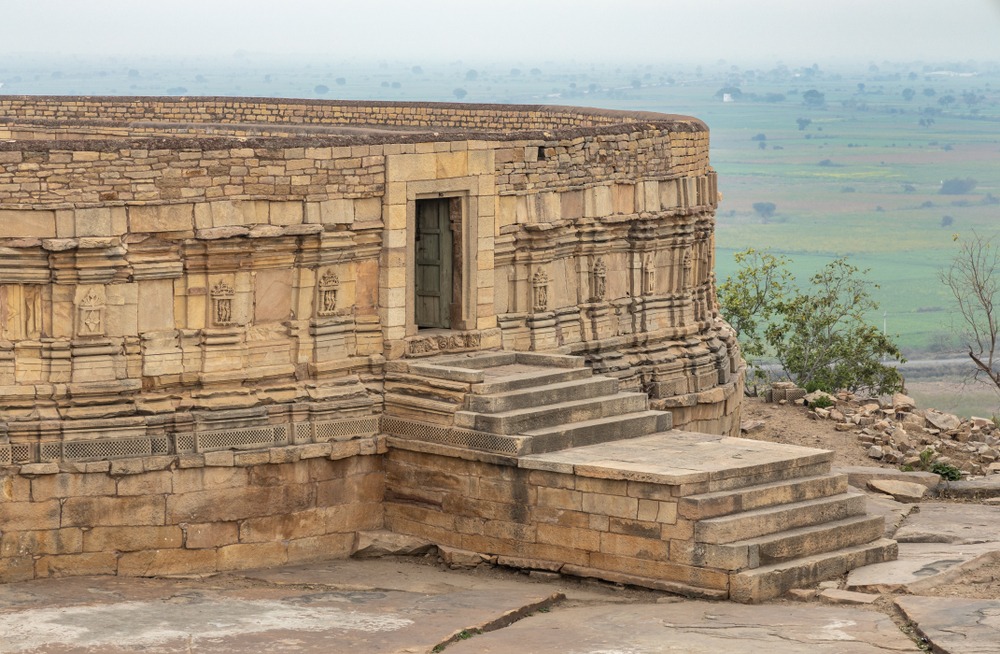
The last great Chandela temple of Khajuraho, Duladeo houses a unique linga surrounded by 999 miniature lingas and sculptures listed as UNESCO heritage.
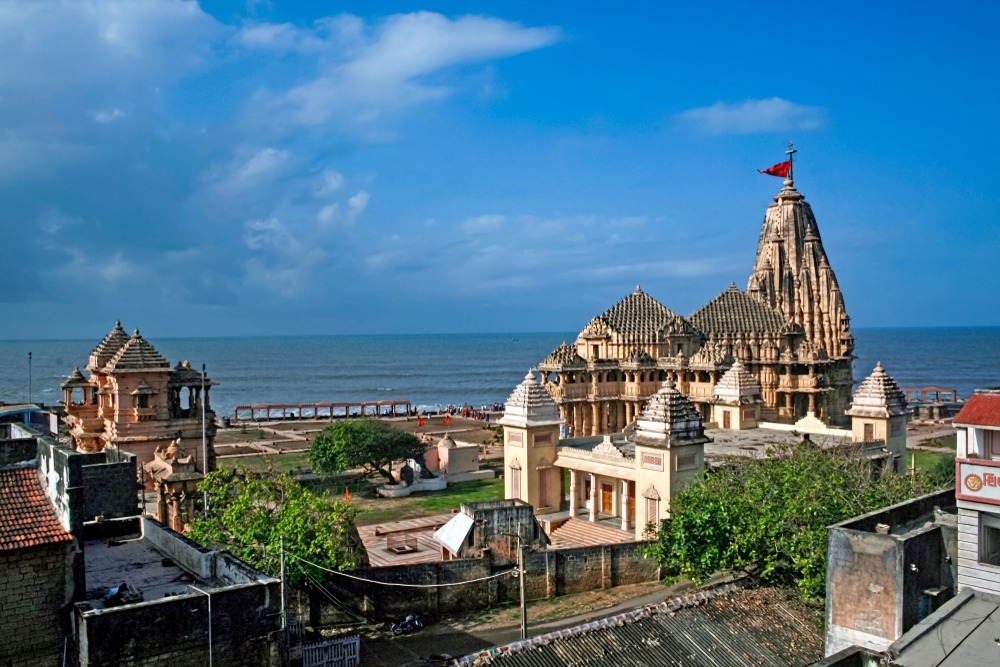
The Duladeo Temple stands approximately one kilometre south-west of the Jain temple enclosure, on the banks of the Khodar River, at the edge of Khajuraho. Dedicated to Shiva, this sanctuary forms part of the southern temple complex of Khajuraho and ranks among the last great structures erected by the Chandela dynasty. Inscribed as a UNESCO World Heritage site in 1986, it intrigues visitors with a rare singularity in India: a linga surrounded by 999 miniature lingas.
Why visit Duladeo Temple
- An architectural singularity: no circumambulation path around the sanctum, unlike other temples on the site.
- A linga with 999 lingas: a single Pradakshina symbolically equals a thousand circumambulations.
- Late erotic sculptures, described by historians as "the final gleam of Khajuraho's architectural and sculptural mastery".
- A less-frequented UNESCO site than the western complex temples, offering a more peaceful visit.
Temple History
Duladeo Temple was likely constructed during the reign of King Madanaverman, between 1128 and 1165. Madanaverman was one of the last rulers of the Chandela dynasty, which controlled the Bundelkhand region between the tenth and twelfth centuries. Historians consider Duladeo one of the last temples built at Khajuraho, explaining its slightly different style from the rest of the site.
The word "Vasala" appears in several places on the monument. Some scholars believe it is the signature of the chief architect, while others think it marks the work of masons. The sanctuary is also known locally as Kunwar Math.
Over the centuries, the structure underwent several phases of destruction and restoration: the rehabilitated sections are recognisable by their lighter stones, lacking sculpture. In 1986, all Khajuraho temples, including Duladeo, were inscribed on the UNESCO World Heritage list.
What to See On Site
The Temple Layout
Dedicated to Shiva, Duladeo comprises a sanctum, a vestibule, a maha-mandapa (great hall), and a porch. Its entrance faces the sunrise, like all temples on the site. A notable feature: the sanctum is not surrounded by a circumambulation corridor (Pradakshina path), distinguishing it from other Khajuraho temples.
The Linga with 999 Lingas
At the heart of the sanctum stands the Shiva linga. Since the original was never recovered, the one visible today was installed after the temple's construction. Its surface is adorned with 999 miniature lingas carved into it: according to tradition, performing a single circumambulation around it equals a thousand ritual circumambulations of an ordinary linga.
The Maha-Mandapa Sculptures
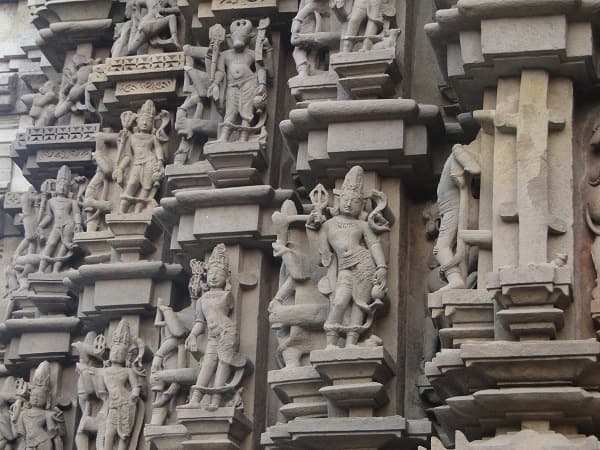
The ceiling of the maha-mandapa captures attention upon entry. On the walls, Apsaras (celestial female figures) are depicted in erotic dance postures, alongside scenes featuring Shiva and Parvati in sensual positions. The proportions and rendering of bodies testify to the refinement achieved by Chandela sculptors at the close of their reign.
Practical Information
- Hours: open daily, from sunrise to sunset approximately. Verify locally before visiting.
- Admission: generally free entry, unlike western complex temples managed by ASI which charge an entrance fee.
- Visit Duration: allow 30 to 45 minutes on site.
- Dress Code: shoulders and knees covered; remove shoes before entering the sanctum.
When to Visit
The best season to visit Khajuraho extends from October to March, when temperatures remain manageable. The months from April to June are marked by intense heat (often exceeding 40°C), unfavourable for temple exploration. The monsoon (July-September) brings lush vegetation but frequent downpours.
If your calendar permits, the Khajuraho Dance Festival, held each year in February-March, showcases major Indian classical dances performed before illuminated temples.
How to Get There
Khajuraho is located approximately 625 km south of Delhi and 200 km from Jhansi. The town is accessible by several means:
- Air: Khajuraho Airport, about 5 km from the village, has direct connections to Delhi, Mumbai and Varanasi.
- Train: Khajuraho railway station offers direct services to Delhi, Varanasi, Agra and Jhansi.
- Road: Khajuraho is connected to most major cities in northern India by bus and taxi.
Once there, Duladeo Temple is easily reached by auto-rickshaw or bicycle from the village centre.
Nearby Sites
Duladeo Temple visits complement other Khajuraho complexes:
- The western complex, which groups the most celebrated temples (Kandariya Mahadeva, Lakshman, Vishvanatha).
- The eastern complex and its Jain temples, in immediate proximity to Duladeo.
- Chaturbhuja Temple, another isolated southern temple renowned for its imposing Vishnu statue.
To extend your exploration of Indian heritage, you can also discover the City Palace in Udaipur in Rajasthan, or the Basilica of Bom Jesus in Goa, another UNESCO site on the subcontinent.
Frequently Asked Questions
Frequently asked questions
The main linga is surrounded by 999 miniature lingas carved into its surface. According to tradition, a single circumambulation around this linga equals 1,000 classical ritual circumambulations. Since the original linga disappeared, the one visible today was installed after the temple's construction.
Unlike the western complex temples managed by the Archaeological Survey of India, access to Duladeo is generally free. Conditions may change: inquire with your English-speaking guide or the local tourism office.
As with all Khajuraho temples, the erotic scenes at Duladeo (dancing Apsaras, embracing Shiva and Parvati) form part of a tantric and symbolic tradition in Chandela art, where sensuality represents one path to the divine.
Allow 30 to 45 minutes for Duladeo Temple alone. If you combine it with the western and eastern complexes, plan a full day for exploring all Khajuraho temples.
Yes, for two reasons: its distinctive linga with 999 lingas and the absence of a circumambulation corridor around the sanctum, two features absent from western complex temples. Its more modest visitor numbers also allow for a more contemplative experience.
Plan Your Journey
Duladeo Temple fits naturally into an itinerary focused on Madhya Pradesh and northern India's heritage. To build a tailor-made journey including Khajuraho and its UNESCO sites, consult our India travel suggestions.
Interested in this visit?
We can include it in your personalised itinerary.