Matho Monastery
Matho Monastery
Located 26 km from Leh, Matho Monastery is Ladakh's only gompa affiliated with the Sakya order. History, thangkas, Nagrang festival and oracles.
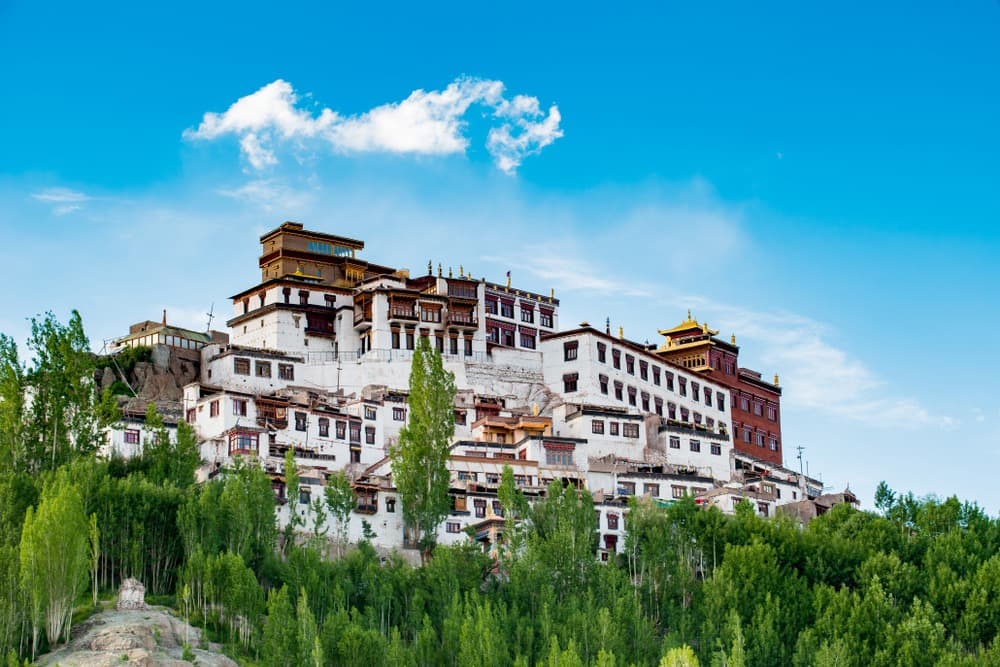
The Matho Monastery, also known as Mathogompa, is a Tibetan Buddhist monastery situated 26 km southeast of Leh, on the banks of the Indus River. It stands as Ladakh's sole gompa belonging to the Sakya order of Tibetan Buddhism, making it a singular site in a region dominated by the Gelugpa and Drukpa orders.
Why visit Matho Monastery
- Ladakh's only monastery affiliated with the Sakya order, a direct heir to the great Tibetan monastery of the same name.
- A collection of thangkas dating back 400 years, several in mandala form.
- The Matho Nagrang festival and its two oracles, among Ladakh's most extraordinary rituals.
- A less-visited site than Tikse or Hemis, set back from the main highway.
- A small monastic museum housing ritual masks and costumes.
History of the monastery
Matho Monastery was built in 1410 at the instigation of Lama Dugpa of the Sakya order. Its foundation reflects the broader transmission of Tibetan Buddhism to Ladakh, with the complex drawing direct inspiration from Sakya Monastery in Tibet, to which it remains spiritually connected.
Today managed by the Sakya Monastic Establishment in Ladakh, Matho houses approximately 60 lamas and 30 novices. To counter deterioration of the historic buildings, a new assembly hall was constructed in 2005 to accommodate the monastic community and ceremonies.
What to see
Thangkas and ancient paintings
Matho's crowning treasure is its collection of thangkas, some four centuries old and several featuring mandala designs. The monastery also houses a Buddha Sakyamuni and ancient murals depicting the protective figures of Sakya Buddhism.
The Du-khang level
The upper story, the Du-khang, contains a chapel adorned with images of Sakya Pandita and Sakya lamas. Its veranda is decorated with paintings of local guardian saints. Inside, two rows of seats are reserved for lamas, framing the throne of the Rimpoche, Matho's principal lama.
The Matho Museum
Located behind the Du-khang, a small museum displays masks and costumes used during the Matho Nagrang festival. It offers a chance to examine ritual pieces up close, some ancient and of remarkable craftsmanship.
When to visit Matho
May through September offer the most favorable conditions for reaching Matho, with Ladakh's roads clear of obstruction. In winter, intense cold and snowfall make access challenging, though the monastery remains open.
The year's highlight is the Matho Nagrang festival, held on the 14th and 15th days of the first month of the Tibetan calendar (typically February or March). Monks perform sacred masked dances representing various deities. The festival's climax comes with the appearance of the two oracles, who have spent a month in retreat away from the community: they return to the courtyard to predict future events and counsel devotees.
Practical information
- Hours: open daily, morning to evening. Adjusted hours during the festival.
- Admission: modest entrance fee, payable on-site in rupees.
- Dress code: modest clothing recommended; remove shoes inside prayer halls.
- Photography: often restricted inside prayer rooms; always ask before photographing.
- Visit duration: allow 1 to 1.5 hours to explore the monastery and museum.
How to get there
Matho lies approximately 26 km from Leh. Unlike Tikse, the monastery sits off the main highway running along the Indus, making it less accessible by public transport. A few daily buses connect Leh and Matho, with morning and late-afternoon departures and return service the following day.
The most straightforward option remains a taxi or private vehicle from Leh, which also allows you to combine Matho with visits to other monasteries in the valley.
Nearby attractions
The Leh region concentrates several major Buddhist sites, easily linked over a few days:
- Leh: Ladakh's historic capital and departure point for most excursions.
- Alchi Monastery: celebrated for its thousand-year-old murals, located in the lower Indus valley.
Frequently asked questions
Interested in including Matho in a comprehensive Ladakh itinerary? Explore our Inde travel suggestions to craft a custom journey.
Interested in this visit?
We can include it in your personalised itinerary.