Kashi Vishwanath Temple
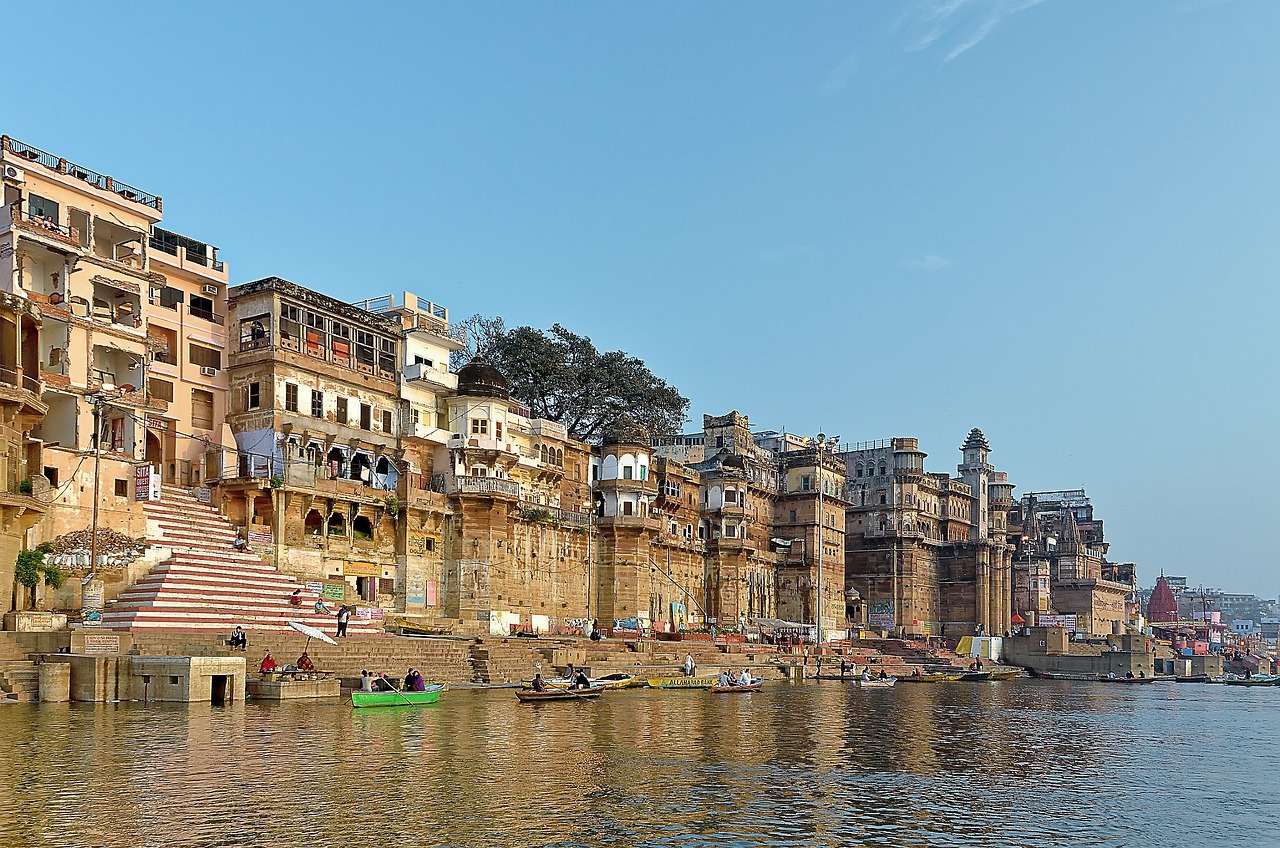
Kashi Vishwanath Temple is the most sacred Shaivite sanctuary in Varanasi and one of India's twelve jyotirlingas. Its golden spire dominates the old city, steps away from the Ganges ghats.
Kashi Vishwanath Temple is the most revered Shaivite sanctuary in Varanasi — and one of India's twelve jyotirlingas. Dedicated to Shiva as the "Lord of the Universe", it draws thousands of Hindu pilgrims daily, who come to offer Ganges water, flowers and bilva leaves. Its golden spire, visible from the ghats, is the visual landmark of the old city.
Practical Information at a Glance
- Access: reserved for Hindus; non-Hindus cannot enter the main sanctuary.
- Dress code: covering clothes mandatory; shoes removed before entering.
- Prohibited items: phones, cameras, leather (belts, bags) forbidden inside the complex.
- Suggested duration: 30 to 60 minutes for the temple and adjacent lanes.
- Wheelchair access: the narrow lanes of the old city make wheelchair access difficult.
What You'll See
The current temple dates from the 18th century. Its main tower (shikhara) is covered in gold — a gift from maharaja Ranjit Singh in the 19th century. The garbhagriha (inner sanctum) houses the jyotirlinga of Vishwanath, a black stone lingam surrounded by a silver enclosure. The complex includes several smaller shrines dedicated to Parvati, Ganesh and Vishnu.
History and Context
A temple dedicated to Vishwanath has existed at this site since antiquity. It was destroyed several times, notably by Aurangzeb in the 17th century, who had the Gyanvapi Mosque erected in its place — still visible right next door. The current version was built in 1780 by the Maratha queen Ahilyabai Holkar. This temple-mosque neighborhood remains a powerful symbol of the tensions and religious coexistence in North India.
In 2021, the Uttar Pradesh government inaugurated the Kashi Vishwanath Corridor, a vast redevelopment that cleared the temple surroundings, created esplanades and improved access from the Ganges ghats.
Highlights of Your Visit
The Mangala Aarti at Dawn
The first aarti (light ceremony) begins before sunrise. The atmosphere — bells, chanting, incense smoke in the darkened lanes — is of rare intensity. Arriving early is essential to approach the sanctuary without the daytime crowds.
The Kashi Vishwanath Corridor
The corridor now connects the temple directly to the ghats. The esplanades offer a clear view of the golden spire and allow you to understand the spatial organization of the site, once hidden by dense urban fabric.
The Gyanvapi Mosque
Immediately adjacent, the Gyanvapi Mosque shares the same wall as the temple. This architectural face-to-face sums up several centuries of Mughal and Hindu history. It is visible from outside the complex.
Etiquette and Visiting Rules
- Only Hindus are admitted to the main temple enclosure; proof of faith may be requested.
- Remove shoes and socks before entering; lockers are available at the entrance.
- No leather items (bags, belts, wallets) are permitted.
- Phones and cameras are forbidden inside; leave them at the locker.
- Dress modestly: shoulders and legs covered for both men and women.
- Respect the silence and queue during aarti; avoid blocking the passage.
Photography Tips
Photography is forbidden inside the temple. From the Kashi Vishwanath Corridor or the rooftops of neighboring buildings, the golden spire photographs well in low morning light. From the ghats (Dashashwamedh or Man Mandir), a telephoto lens allows you to frame the tower within the old city panorama.
Location and Access
The temple is located in the Vishwanath Gali quarter, in the heart of Varanasi's old city, a few minutes' walk from Dashashwamedh Ghat. The lanes are narrow and pedestrian-only; rickshaws stop at the quarter's entrance. From Varanasi Junction Station, allow approximately 30 to 40 minutes by rickshaw depending on traffic. Wheelchair access is very limited due to the maze of lanes.
Nearby Attractions
- Dashashwamedh Ghat — Varanasi's main ghat, site of the grand Ganga Aarti each evening.
- Gyanvapi Mosque — directly adjacent to the temple, testament to the city's Mughal history.
- Manikarnika Ghat — the cremation ghat, one of Hinduism's most sacred, a few minutes' walk away.
- Sarnath — major Buddhist site where the Buddha delivered his first sermon, about ten kilometers from Varanasi.
Frequently asked questions
No. Access to the main sanctuary is strictly reserved for Hindus. Non-Hindus can view the outside of the complex and the corridor from the esplanades, but cannot enter the temple.
The dry season, from October to March, offers pleasant temperatures. The Maha Shivaratri festival (February-March) attracts huge crowds but creates an exceptional atmosphere. Avoid the monsoon (July-August) for comfort.
No. Phones and cameras are forbidden inside the complex. Lockers are available at the entrance to store your belongings before entering.
The temple is a few minutes' walk from Dashashwamedh Ghat. A good combination: morning aarti at the temple, sunrise boat ride on the Ganges, then the Ganga Aarti at Dashashwamedh Ghat in the evening.
Shoulders and legs covered for both men and women. No leather items (bags, belts). Shoes are removed at the entrance; wear socks or easy-to-remove sandals.
Allow 30 to 60 minutes for the temple and corridor. During peak times (festivals, weekends), queues can significantly extend this duration.
Nearby
Interested in this visit?
We can include it in your personalised itinerary.