Dimapur
Dimapur
Gateway to Nagaland, Dimapur blends 13th-century Kachari remains, tribal craftsmanship and rolling valleys. Your complete guide to preparing your visit.
Gateway to Nagaland, Dimapur slowly reveals itself to travelers seeking adventure. Though the city lacks a thousand architectural monuments, its charming grasslands and valleys, combined with its distinctive craftsmanship, provide more than enough to delight tourists in search of an authentic escape.
History
Dimapur possesses a rich past. It was once the capital of the ancient Dimasa kingdom, during the reign of the Kachari in the 13th century. Archaeological remains reveal that the city was once equipped with an excellent system of defenses, strategically distributed around the settlement. The Dimasa kingdom itself extended across the neighboring plains, in what is now the Upper Assam administrative division.
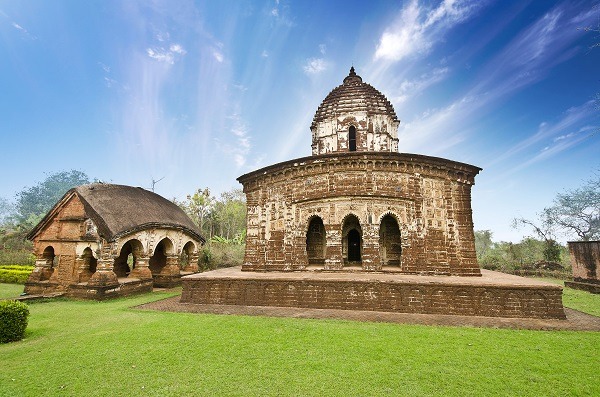
Several ancient monuments speak to Dimapur's storied past. Notably, temples bear witness to the presence of Hinduism in the city, believed to be the religion practiced by the Dimasas. The city also played a major role in modern times, serving as the theater of a battle between Imperial Japan and British India during World War II.
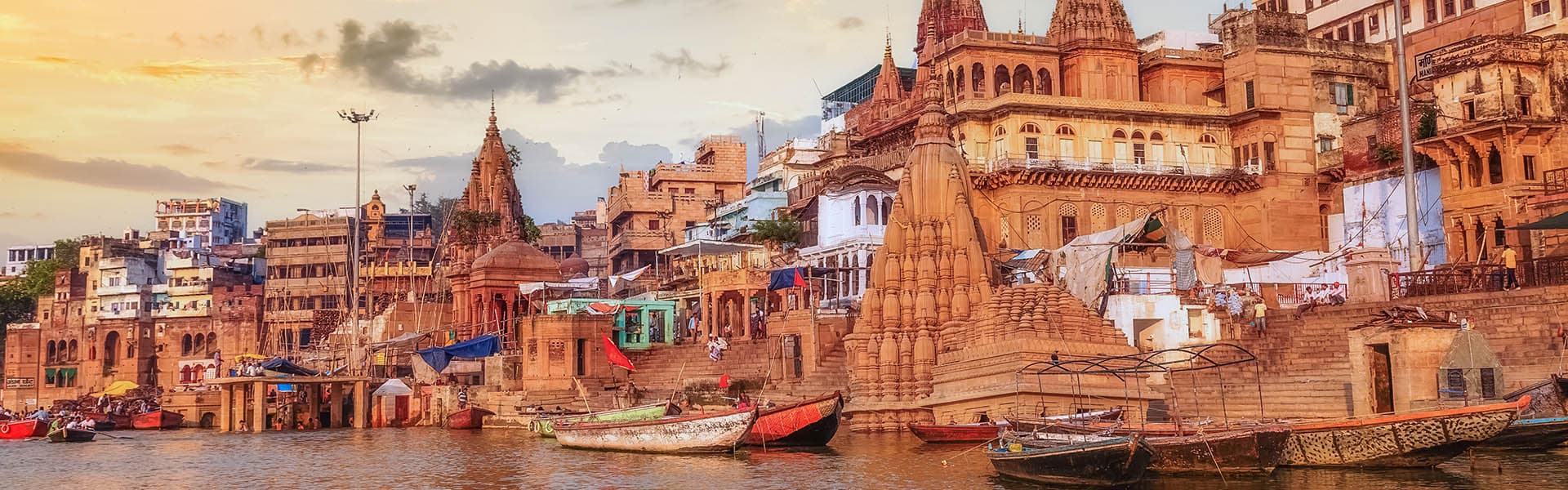
Etymologically, the name "Dimapur" derives from the word Dimasa, composed of the roots Di, ma, and pur, meaning respectively "water," "great," and "city." Dimapur thus means "the city by the great river." Indeed, the Dhansiri River flows through this city located in Nagaland State.
Today
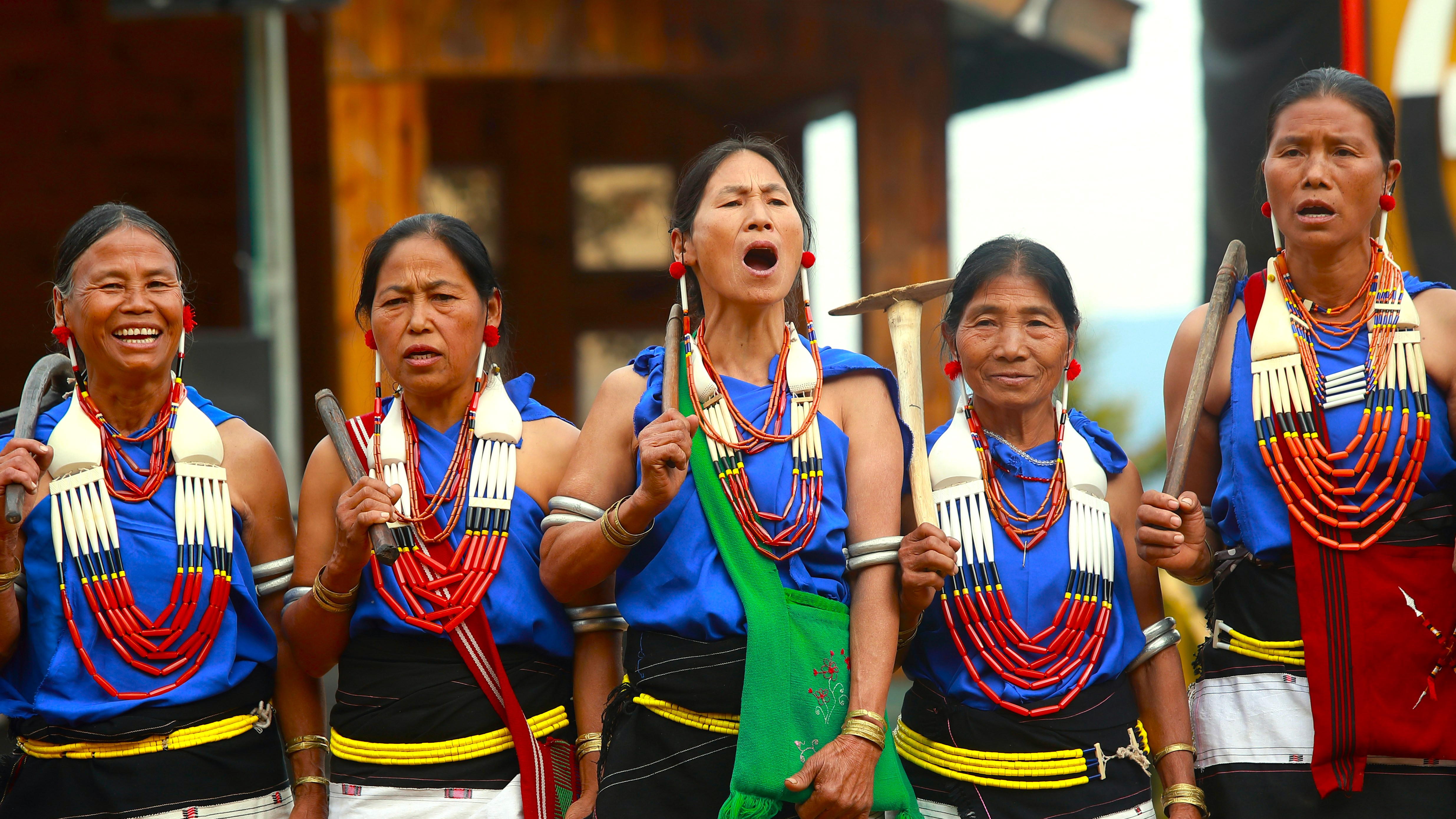
Dimapur sits in the western part of Nagaland State, in northeastern Inde. The city is comfortably nestled between the Dhansiri River, pleasant grasslands, and forested hills. Dimapur has become known in part for the remarkable work of local artisans. Among places of interest, you'll find the Diezephe Craft Village located approximately 13 km from the city center. Managed by the Nagaland Handloom and Handicrafts Development Corporation Limited, the site serves as the repository of the state's arts and crafts. Wood, bamboo, and other raw materials pass through the hands of talented artisans and emerge as beautifully crafted, authentic, quality items.
The Ruzaphema bazaars also make for an excellent introduction to the region's craftsmanship. A detour through these vibrant markets will transport you, immersed in a lively and welcoming atmosphere.
Dimapur also offers numerous natural sites where you can indulge in relaxation and escape. Among them, discover Triple Falls, which, as its name suggests, comprises a three-tiered waterfall. The city provides easy access to the Rangapahar Forest Reserve, known for sheltering numerous bird species and endangered animals. Adventurers and seasoned hikers will undoubtedly enjoy losing themselves in these pockets of paradise.
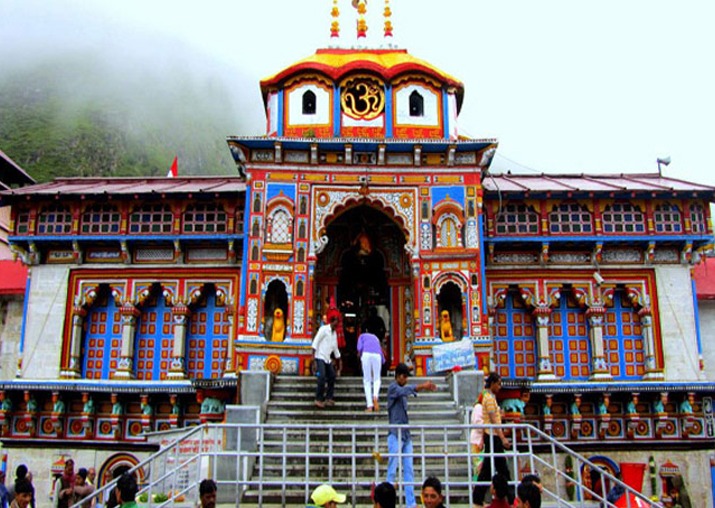
Moreover, the former capital of the Kachari tribe is home to several temples and monuments for journeying into regional history and culture. Among must-see sites are the ruins of Kachari worship sites, the village of Chumukedima, the Shiva Temple, and more.
Dimapur sees a growing number of tourists visiting each year. To welcome visitors, the city has gradually developed its hotel infrastructure. Today, accommodation options are quite diverse: hotels, guesthouses, resorts, and more. Prices adapt to all budgets, ranging from budget-friendly options to premium offerings.
Climate
Located in a hilly region, Dimapur enjoys a pleasant climate year-round, though the best period to visit runs from October to March.
In summer, the city is fortunate to escape sharp temperature fluctuations, typically ranging between 28°C and 38°C. If you wish to visit during the summer season, plan your trip between April and May.
The monsoon season brings precipitation of varying intensity. While the freshness and wind create an invigorating atmosphere, rains can hinder your tourist outings. Temperatures during this period fluctuate between 25°C and 35°C.
During the winter season, Dimapur enjoys moderate temperatures, between 13°C and 18°C. Cool and dry, winter is thus the best time to visit the region.
Dimapur has its own airport located approximately 4 km from the city. The facility regularly receives flights from Imphal, Kolkata, and Guwahati, among others. As for rail access, the city has the advantage of being connected to all major cities in Inde: Delhi, Chennai, Kolkata, Mumbai, and more. By road, Dimapur is connected to Kohima 28 km away, Wokha 37 km away, and Golaghat 45 km away.
Rickshaws constitute the primary mode of transportation in Dimapur. Particularly suited to short-distance trips, these vehicles are both practical and affordable. Buses are equally economical, though their variable comfort is a minor drawback. Otherwise, you can choose between taxis and rental cars for excursions to the city's outskirts.
What to Do in Dimapur?
- Discover the wonders of local craftsmanship at Diezephe Craft Village or Ruzaphema
- Tour historic and religious monuments
- Enjoy trekking in nearby hills
- Visit the Triple Falls waterfall
- Encounter wildlife at Rangapahar Forest Reserve, and more
Want to discover this destination?
Our local advisors design your tailor-made trip.