Champaner
Champaner
A former capital of the Gujarat Sultanate frozen in time since the 16th century, Champaner preserves a unique UNESCO archaeological park in India, 47 km from Vadodara.
A former capital of the Gujarat Sultanate, Champaner is a historic city in western India. Located in the Panchmahal district, it opens its doors to travellers seeking to journey through the ages.
History of Champaner
Situated 47 km from Vadodara, Champaner's territory encompasses an old Hindu capital on Pavadagh Hill and a portion of the former capital of the Gujarat State.
Champaner took its name from a loyal friend of Vanraj Chavda, king of the empire, to whom it owes its founding in the 8th century. On December 4, 1482, Mahmud Begada launched an attack on the city during the reign of the Gujarat Sultan in the late 15th century. On November 21, 1484, his forces successfully defeated Champaner's army and seized the great fortress of Pavadagh. From that point on, Sultan Begada undertook several reconstructions and erected the Jama Masjid.
Following the British arrival in 1803, Champaner was refounded to become the largest silk-exporting city. At that time, its population reached 500 residents. In 1812, the city was devastated by cholera, with only 400 families surviving.
In 1829, the British invaded the city once again and attempted to repopulate it by encouraging cultivators to work the land. This reconstruction attempt ultimately failed.
Visiting Champaner
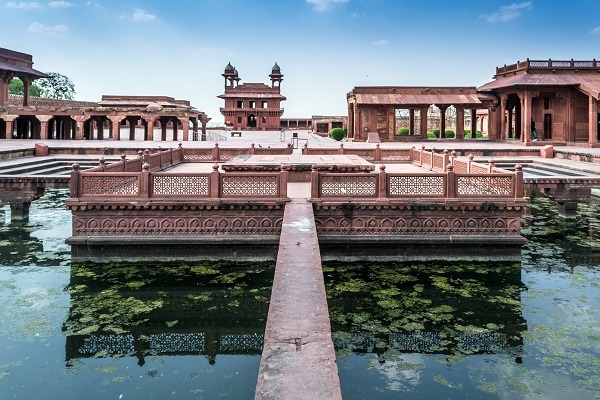
Champaner is primarily known for its historic sites. Discover impressive fortifications, palaces, agricultural structures, and numerous other constructions built between the 8th and 14th centuries. Throughout your stay, trace the city's history as you wander through ancient streets and visit period buildings. Several temples and mosques enhance the city's architectural landscape.
At Champaner, the remnants speak volumes about the city's past. Successive fortifications recall its role as a strategic centre in another era. The imposing structures feature walls at regular intervals, catapult stands, and stone frames.
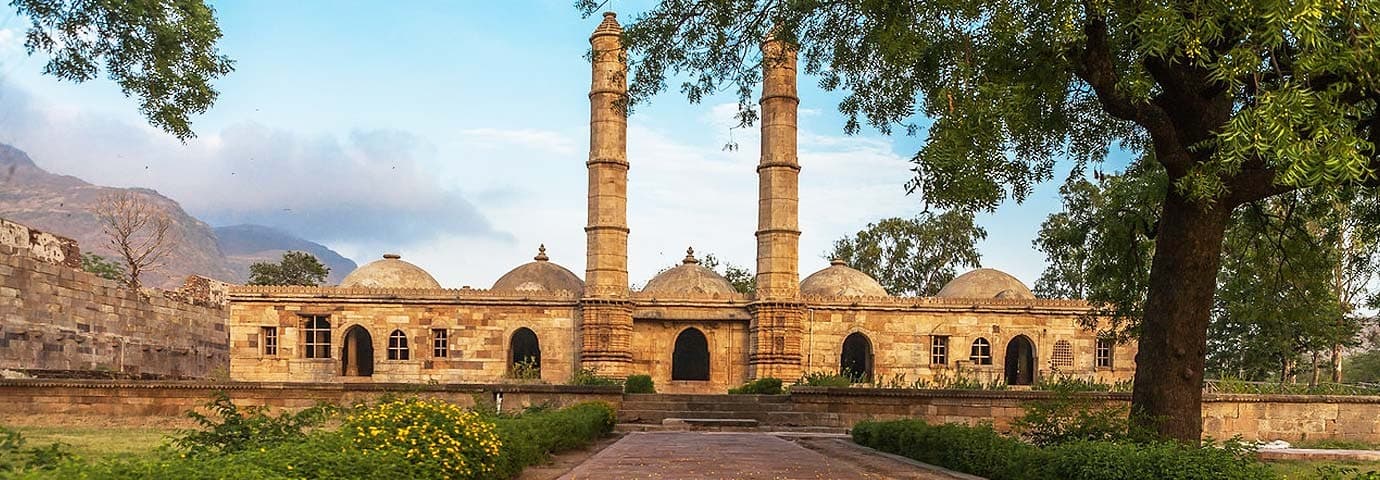
The Jama Masjid erected by Sultan Begada ranks among Gujarat's architectural gems. This monument stands out for its elevated base and impressive central dome. It contains 172 pillars, 7 mihrabs, and distinctive latticed screens known as "jalis" adorning the windows and entrance doors.
Listed as a UNESCO World Heritage Site, Champaner's archaeological park encompasses a series of bastions, Chalcolithic sites, Hindu fortresses, and other remains. Within it you'll find palaces, arches, temples, tombs, wells, and reservoirs dating from the 8th to 14th centuries. During your visit, you can explore ancient documents on Hindu and Muslim architecture, as well as the history of early pre-Mughal and Islamic cities.
Perched at over 800 metres altitude, the Kalika Mata temple is also well worth visiting. This Hindu sanctuary stands as a major pilgrimage destination, attracting thousands of devotees each year.
Practical Information
Climate in Champaner
Champaner enjoys a tropical climate marked by a relatively humid summer and mild winter. If you prefer to avoid rainfall, plan your trip between February and June. May benefits from excellent sunshine, whereas January proves the coldest month.
Champaner is a very welcoming city. From Vadodara, take a bus or rent a car to reach the city by road (distance: 45 km). For flights from France, you'll land at Ahmedabad International Airport. From there, simply board a flight heading to Vadodara.
Champaner has a small railway station served by trains from Godhara and Vadodara.
What to Do in Champaner?
- Visit the Maa Mahakalika temple
- Discover Saat Kaman
- Visit Amir Manzil
- Explore Mahmud Beghada's Citadel
- Visit the Tomb of Sikandar Shah, and more
Want to discover this destination?
Our local advisors design your tailor-made trip.