Bala Quila Fort of Alwar
Bala Quila Fort of Alwar
A ridge fortress overlooking Alwar, Bala Quila spans 5 km of ramparts, 66 towers and twelve centuries of history in Sariska's buffer zone.
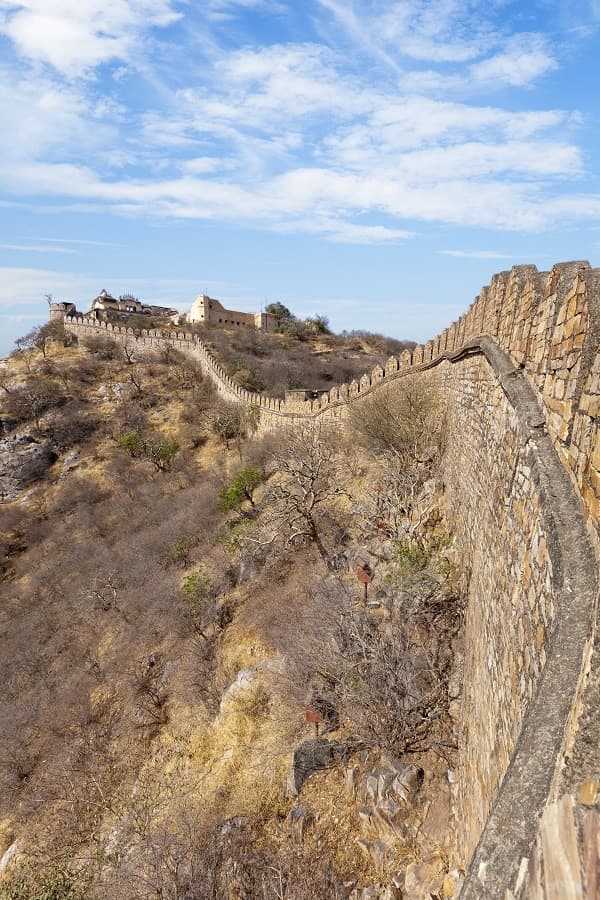
Bala Quila, or Alwar Fort, occupies an Aravalli ridge above the city of Alwar in Rajasthan. With its 5 km length and 1.5 km width, its 51 small towers and 15 large towers distributed along the ramparts, it is one of the region's most extensive fortified complexes. The fort dominates the city from approximately 595 metres elevation.
Why visit Alwar Fort
Bala Quila holds interest for three reasons. First, its antiquity: the site has nearly twelve centuries of occupation, from the Rajput Nikumbhs to the Kachwaha. Next, the density of historical episodes connected to it—from Babur's passage to the exile of Prince Salim, future emperor Jahangir. Finally, its location in the buffer zone of Sariska Tiger Reserve, which combines a ridge fort visit with passage through a protected forest landscape.
History of the fort
The fort, approximately 1,200 years old, was first occupied by the Nikumbh Rajputs. Local tradition reports that in 1492, Khanzada Alawal Khan seized the site to end the human sacrifices allegedly practiced by its occupants—a narrative to be understood as oral history rather than established fact. His son, Hasan Khan Mewati, undertook reconstruction of the fortifications in the 1500s, followed by a larger campaign in 1551.
The fort subsequently changed hands several times: Mughals, Marathas, Jats, Yadavas, and finally the Kachwaha Rajputs. Babur stayed here and brought back treasures he passed to his son Humayun. Under Akbar, Prince Salim—future Jahangir—was exiled here for three years following his assassination attempt against Abul Fazal Mubarak, one of the nine jewels of the imperial court. The chamber he occupied is still called Salim Mahal. In 1775, Pratap Singh, founder of the State of Alwar, recaptured the fort and integrated it into his principality.
What to see on site
The layout follows the ridge for several kilometres and consists mainly of ramparts, gates and ruined buildings. A few elements stand out:
- The Nilkumbha Mahal, hilltop palace with sculpted marble columns and latticed balconies, still discernible despite erosion.
- The Salim Mahal, chamber associated with Prince Salim's exile.
- The watchtowers, 51 small and 15 large, dotting the ramparts and demonstrating the scale of the defensive system.
- The Sheetala Maata temple, a modest jungle sanctuary on the access road.
Part of the fort today houses a radio transmission station and remains closed to the public. Other areas, fragile, are not accessible.
Practical information
The ticket office is located at the foot of the hill, west of the city palace. Allow half a day for the ascent, visit and descent, longer if you combine with a safari at Sariska. Entry tariffs are moderate for foreign visitors; they change regularly, verify the current amount on site.
The former royal hunting ground, crossed by the access track, is now closed to private vehicles. The trails feature steep passages: bring water, closed-toe shoes and a hat.
When to visit
The most comfortable season runs from October to March, with winter temperatures between 17 and 25 °C. Dry air and soft morning light are ideal for photographing the ramparts. Avoid April to June, when heat on the ridge becomes oppressive, and the July to September monsoon, which makes trails slippery.
How to get there
The fort is reached from central Alwar. Several options depending on your itinerary:
- From Alwar: taxi or tuk-tuk to the ticket office, then on foot or by jeep with an authorised guide. Off-road driving is forbidden to private vehicles.
- From Delhi: approximately 160 km by road, allow 3 to 4 hours. Direct train also available to Alwar station.
- From Jaipur: approximately 150 km, 3 hours' drive. The fort pairs well with a stop at Sariska on the Delhi-Jaipur route.
What to see nearby
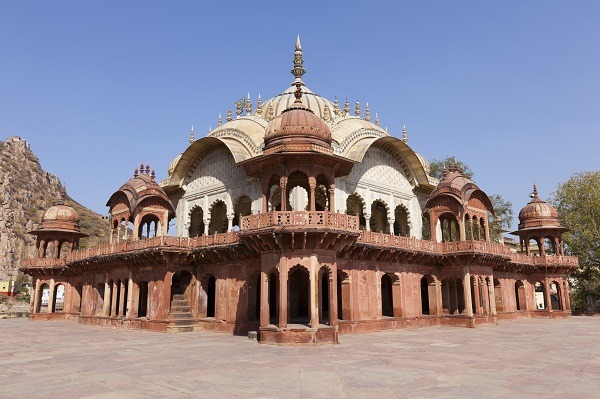
The Alwar region has several sites to complement Bala Quila. The Sariska Tiger Reserve, whose hills encompass the fort, offers 4x4 jeep safaris to encounter tigers, leopards and sambar deer. Alwar's City Palace and the Moosi Maharani Ki Chhatri cenotaph merit half a day. To further explore Rajasthan's fortresses, you can consult the entry for Anjengo Fort or, further north, Alchi Monastery.
Frequently asked questions
Frequently asked questions
Planning your visit
Bala Quila fits naturally into a Rajasthan circuit or a detour from Delhi. To build an itinerary combining forts, palaces and wildlife reserves, explore our custom tours in India.
Interested in this visit?
We can include it in your personalised itinerary.