A Cultural Evening of Kalaripayattu
A Cultural Evening of Kalaripayattu
Traveling through South India means immersing yourself in exceptional living heritage. If you pass through Kerala, don't miss the opportunity to attend a cultural evening of Kalaripayattu, a dynamic martial art that is both spectacular and mesmerizing.
Traveling through South India means immersing yourself in exceptional living heritage. If you pass through Kerala, don't miss the opportunity to attend a cultural evening of Kalaripayattu, a dynamic martial art that is both spectacular and mesmerizing. More than a simple fight, it is a genuine ritual that blends agility, spirituality, and tradition. Follow the guide.
Kalaripayattu, an Ancient Indian Martial Art
Kalaripayattu (sometimes written Kalaripayatt) is considered the ancestor of many Asian martial arts, notably kung-fu. Its origins are believed to date back more than 3,000 years, in the territories of South India, and more specifically in the current state of Kerala. It is said to have been codified by the warrior masters of the Nair caste, trained from a young age to protect their villages.
The term is composed of:
- "Kalari": the training ground, a rectangular arena of beaten earth built according to sacred principles.
- "Payattu": the combat or practice.
It can thus be translated as "practice of battlefield arts."
Kalaripayattu combines several dimensions:
- Physical: hand-to-hand combat techniques, jumps, rolls, dodges, and acrobatics.
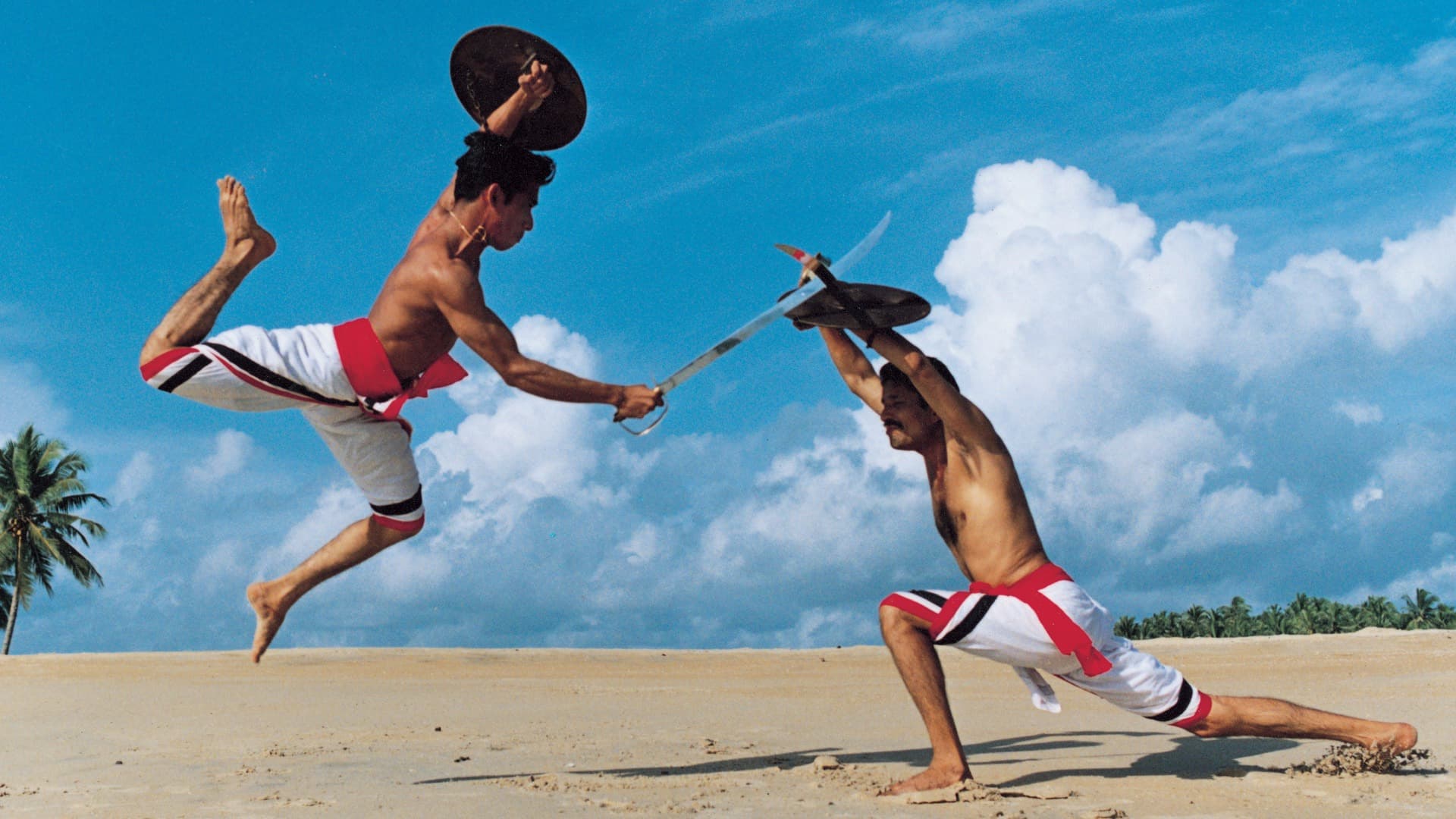
- Martial: the handling of varied weapons such as the long stick (kettukari), the dagger (katara), the sword and shield (valum parichayum), or the urumi, a sharp metal whip of great complexity.
- Energetic: breath work, postures inspired by animals (the lion, the serpent, the elephant…) and channeling of prāṇa (vital energy).
- Medical and spiritual: masters (or gurukkal) are often trained in Ayurvedic medicine and therapeutic massage. The Kalari aims at both the health of the body and the balance of the spirit.
This art is taught in schools called Kalari, where students follow a structured path based on discipline, patience, and respect for elders. Its transmission continues to this day according to oral tradition and codified practices.
Why Attend a Kalaripayattu Performance in the Evening?
Evening Kalaripayattu performances are designed to offer a condensed and impressive demonstration of the main techniques and rituals of this martial art. They allow you to discover in less than an hour a living heritage usually reserved for practitioners.
An atmosphere conducive to showcasing tradition
The soft lighting, traditional percussion, and the concentration of practitioners create a solemn atmosphere, close to a sacred ritual. These performances often begin with a salutation to the ground, symbolizing respect for the space and the spirit of the Kalari.
A wide variety of demonstrations
Depending on the venue, the program typically includes:
- Hand-to-hand sequences (Meipayattu), illustrating physical capabilities and breath control.
- Choreographed duels with weapons, alternating speed and precision.
- Animal postures combined with spectacular jumps.
- Acrobatic figures including cartwheels or aerial rolls.
- Demonstrations of the urumi, the most complex weapon to handle, impressive for its flexibility and danger.
- Sometimes fire combat performances are presented at the end of the show for a spectacular finale.
A pedagogical and accessible format
The centers that organize these performances also keep travelers in mind: an English-language presentation explains the origins of the discipline, the names of the techniques, and the meaning of the gestures.
This is not an actual fight, but a technical demonstration. Each sequence is performed with mastery and respect, in a logic of cultural transmission rather than competition.
An ideal activity to end the day
Performances take place in the early evening, making them easy to integrate into a sightseeing itinerary. After a day of trekking, visiting temples, or cruising the backwaters, this activity allows you to discover another facet of Kerala: that of its living traditions, valued without excessive folklore.
Where to See Kalaripayattu Techniques in Kerala?
Here are some renowned places where you can enjoy an evening of Kalaripayattu:
Kerala Kathakali Centre (Fort Kochi)
One of the most popular cultural centers in Kerala. Each evening around 6 PM, you can watch a Kalaripayattu performance in an intimate setting. The seating allows you to see every movement clearly, and the team takes time to explain the origins of postures and techniques.
Kadathanadan Kalari Centre (Thekkady)
Located near Periyar National Park, this center welcomes visitors each evening for two sessions, usually at 6 PM and 7 PM. The circular arena offers a perfect view of the performances.
Punarjani Traditional Village (Munnar)
In addition to the Kathakali theater, this cultural village offers a beautiful Kalaripayattu demonstration in the evening. The atmosphere is authentic, and the welcome warm.
Trivandrum and Kozhikode
Traditional centers like CVN Kalari Sangham (Trivandrum) or Hindustan Kalari Sangam (Kozhikode) offer public demonstrations by reservation. These venues offer a more authentic and immersive approach.
Kumarakom and Alleppey
Some luxury resorts or cultural centers in Kumarakom and Alleppey organize private or semi-public evening performances for their guests. Generally around 7 PM.
Practical Information
- Hours: Most performances start between 5:30 PM and 7 PM.
- Entrance fee: Between 200 and 500 rupees per person (~2 to 5 €).
- Reservation recommended, especially during high tourist season (November to March).
- Average duration: 45 minutes to 1 hour.
- Photography: allowed in most centers, but without flash.
- Audience: suitable for children from age 6 onwards.
- Recommended attire: casual but respectful (no short shorts in temples or adjacent traditional centers).
Give it a go!
Our local experts arrange this activity for you.