How to Dress in India?
Traveling to India means immersing yourself in a cultural universe as rich as it is contrasting. This often requires some preparation, particularly when it comes to clothing. Without going to extremes, it
Traveling to India means immersing yourself in a cultural universe as rich as it is contrasting. This often requires some preparation, particularly when it comes to clothing. Without going to extremes, it is essential to adapt your wardrobe to Indian culture and your destination, both out of respect and for your own comfort.
What Clothes to Pack for a Trip to India?
During your stay in India, you'll likely spend long hours in various modes of transport, whether buses, trains, or tuk-tuks. Loose, comfortable, and breathable clothing are therefore your best allies. Since India is a hot country, especially in the central and southern plains, opt for lightweight fabrics like cotton or linen. These materials protect you from the sun while allowing your skin to breathe, which is particularly appreciated during periods of intense heat.
It may also be wise to wear long sleeves and lightweight trousers to protect yourself against mosquitoes, especially in rural areas or during the monsoon season.
How to Dress in India as a Man?
Men generally enjoy a bit more flexibility when it comes to dress code, but certain principles remain important: prefer trousers to shorts, especially outside major cities, and avoid sleeveless shirts. A simple t-shirt, a lightweight shirt, and canvas trousers will work perfectly. You can also consider traditional garments like the long tunic (kurta), which is very comfortable and well-received by locals.
How to Dress in India as a Woman?
For women, the recommendations are somewhat stricter. Long dresses, wide palazzo-style trousers, long tunics, or kurtas are ideal. You can also purchase a salwar kameez on-site, a traditional outfit that is both very comfortable and appreciated. It's also advisable to have a shawl or scarf on hand to cover your shoulders or chest if necessary. The sari, the traditional garment worn by many Indian women, can also be a wonderful clothing experience during a special event or when visiting places of worship.
How to Dress in Northern India?
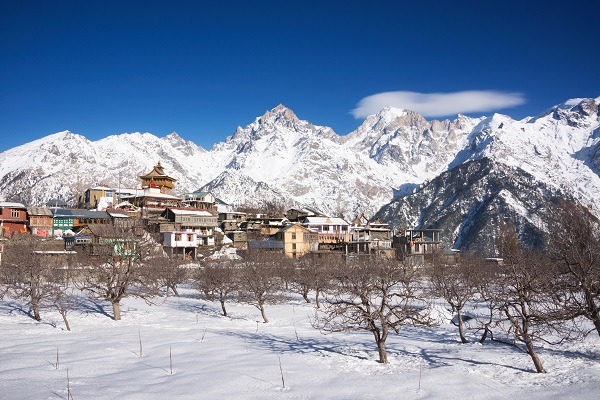
Northern India, particularly mountainous regions like Ladakh or Himachal Pradesh, requires a wardrobe suited to a cooler and sometimes harsh climate. Plan for hiking clothes, thermal layers, a beanie, and a good warm jacket. Temperature contrasts between day and night can be dramatic, especially at high altitudes in Ladakh. This requires good preparation to enjoy the magnificent landscapes in the Ganges valley and other natural treasures.
How to Dress in Southern India?
Conversely, the southern state of Kerala and Southern India in general enjoy a tropical, hot, and humid climate. Lightweight clothing is therefore essential to withstand the heat. For seaside stays, including the beaches of Goa, swimwear, flip-flops, light dresses, or sarongs are perfect, but only at the beach or in Indian tourist areas. Outside these zones, dress more conservatively, even in a beach setting. Furthermore, this region of India is also rich in religious sites and Hindu temples, where appropriate attire is essential.
Clothing Suited to Your Type of Travel
Whether you're going backpacking, on an organized tour, or taking a more traditional holiday in India, your clothing needs will vary. For those keen on trekking or visiting Hindu temples, opt for good hiking shoes that are easy to remove (mandatory in places of worship), a waterproof jacket, and a sweater for cool evenings. Also remember to pack a pair of sandals or flip-flops, which are very useful for daily wear.
It's also important to avoid wearing or purchasing leather items in sacred places, as this can be frowned upon in most Hindu religious sites, where the cow is sacred.
What Clothing Prohibitions Exist in India?
In many regions, especially places of worship, certain outfits can be poorly perceived or even forbidden. Here's what you'd better avoid:
- Clothing that is too short or too tight
- Sleeveless tops and low-cut necklines
- Transparent clothing
- Shorts in Hindu temples or traditional villages.
When traveling in India, always keep a scarf or shawl on hand to cover your shoulders or head in palaces like the Taj Mahal, temples, or places of worship.
What Colors Should You Avoid Wearing in India?
Color symbolism is very strong. Certain shades can evoke local events or specific feelings:
- White is the color of mourning, so it should be avoided in festive contexts
- Black is associated with sadness or bad luck
- Red, highly symbolic of marriage, can be misinterpreted depending on context if worn prominently.
Conversely, vibrant colors like green, pink, orange, or blue are highly appreciated and form an integral part of the Indian landscape, whether you're in major cities or in the most remote corners of this fascinating country.
Practical Tips
If you're considering building a new life in India, know that clothing is not merely an accessory: it conveys identity, tradition, and sometimes social status. For travelers, adopting appropriate attire is a sign of respect toward local inhabitants. It is highly recommended to cover your shoulders, avoid short or tight clothing, and favor bottoms that reach at least to the knees. This advice is particularly important for women, to avoid unwanted stares or inappropriate behavior. This doesn't mean giving up your style, but simply finding a balance between comfort, aesthetics, and respect for local customs.