The Ganges, an indispensable pillar of Indian civilisation
The river nicknamed the "Mother of India" flows across the entire country for 2,700 km from its source in the Himalayas. Descended from the heavens in Hindu mythology, this sacred waterway represents a true
The river nicknamed the "Mother of India" flows across the entire country for 2,700 km from its source in the Himalayas. Descended from the heavens in Hindu mythology, this sacred waterway represents a true divine form for Indian believers. Numerous cities have been built along its banks over time
Bathing in it ensures devotees from the subcontinent spiritual purification. Scattering a deceased person's ashes in its waters allows them to attain a better rebirth. These beliefs, associated with the Ganges, are part of a resolutely serious reverence among the religious in Inde. A country where atheism, though present, remains far too insignificant to culturally diminish this pillar of Indian tradition creation. It remains today considered the "ultimate truth". Numerous cities have been built along its banks, forming unmissable tourist destinations for a visit to Inde.
The Ganges Valley
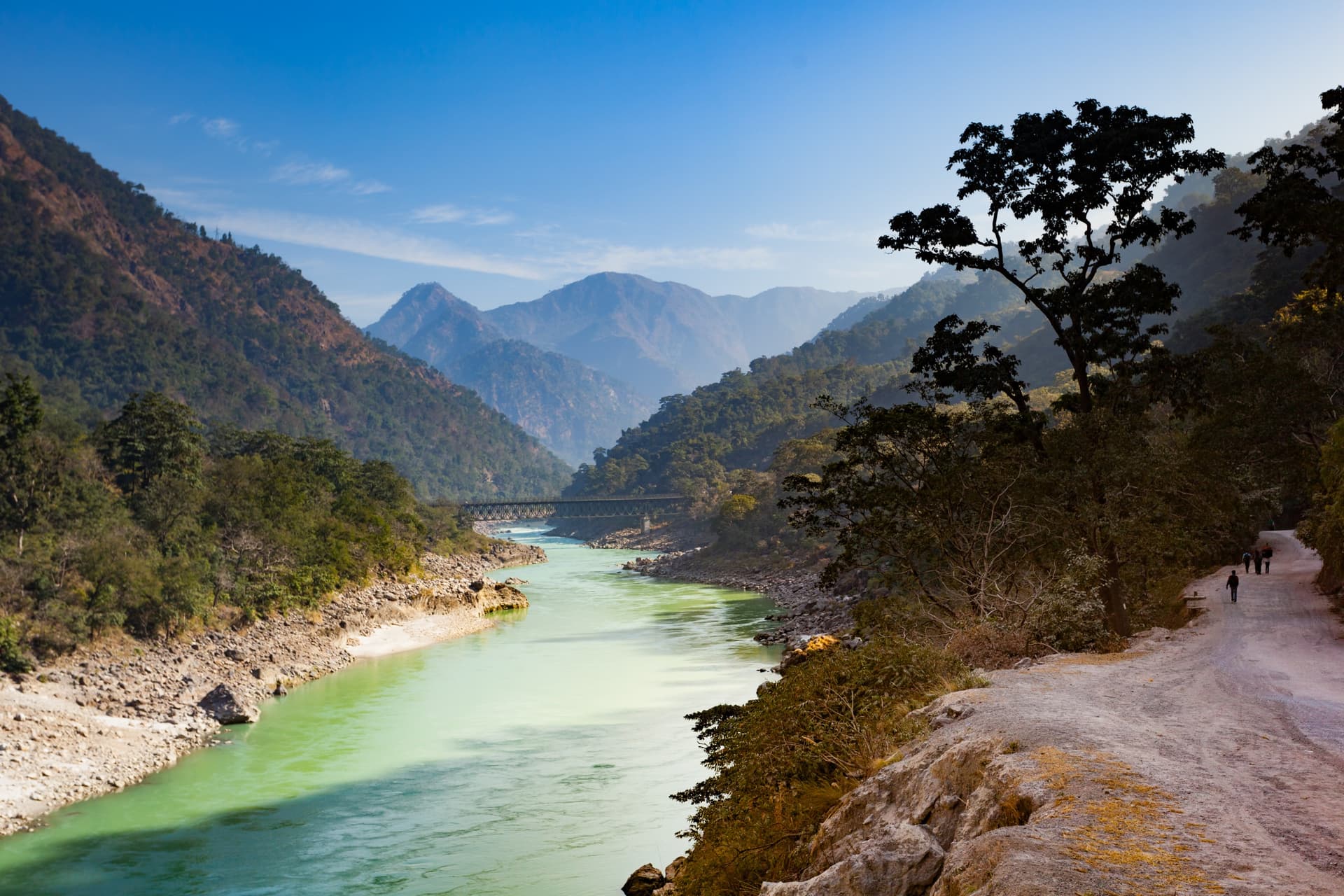
The Ganges sees the light of day in the plains of Haridwar after the Bhagirathi and Alaknanda, two torrents flowing down from 7,800 metres altitude in the Nanda Devi mountains and 6,600 metres height in the western Himalayas respectively, give it form. The river then takes its place in what is commonly called the Ganges Valley. This region encompasses many popular tourist destinations that captivate with their splendour.
Follow the Ganges to arrive at the altar representative of this sacred river. The city of Allahabad. It hosts every 12 years, the world's largest pilgrimage called Kumbh Mela. The river is central to this celebration. Millions of pilgrims immerse themselves to absolve themselves of the sins they feel guilty of. Folk dances and traditional costumes form an integral part of this pilgrimage.

Now head to Patna, home to the world's oldest fossilised tree. At 200 million years old, this relic is housed in Patna's museum. The capital of Bihar State also contains the Golghar, a storage structure designed to hold 137,000 tonnes of grain in case of famine. This place is known today for the magnificent view it offers from its summit.

Upstream lies Kanpur, nicknamed the Manchester of the East for its thriving leather industry. India's 12th most populous city (2,700,000 inhabitants) is regarded as the engine of subcontinent industrialisation. This city is home to the Bibighar Memorial, erected following the Bibighar uprising of 1857, a phase of the Indian Rebellion. A place steeped in history and importance for the assembly of modern Inde. Yet such industry poses problems in the country. The Ganges suffers daily consequences from industrial waste discharge.
A person in its own right
Environmental issues linked to the "Mother of India" are now questioned at a time when ecological awareness has become universal. On 20 March 2017, the high court of the Himalayan state of Uttarakhand elevated the Ganges to the status of a legal person, with rights and duties. Indians can now file lawsuits in its name, particularly in pollution cases.
Thibault Bourru