Zünheboto
Zünheboto
In the heart of Nagaland, Zünheboto reveals the soul of the Sumi Nagas: Asia's largest Baptist church, tribal festivals, and hills to explore off the beaten path.
Zünheboto is the administrative centre of its namesake district, nestled in the heart of the mountainous state of Nagaland, in Northeast India. The town is the historical and cultural home of one of Nagaland's principal tribes, the Sumi Nagas. Far removed from mainstream tourist circuits, Zünheboto offers an authentic and tranquil experience.
History
The history of Zünheboto is inextricably linked to that of the Sumi tribe. Historically, the Sumis were known as a martial people, possessing a rigid social structure and a reputation as fearsome warriors. Their society was traditionally organised around a clan-based system, and they practised complex animistic rituals. They are particularly celebrated for their distinctive festivals and war chants.
The major turning point in the region's history came with the arrival of Christian missionaries in the early twentieth century. The Sumis embraced Christianity en masse, fundamentally transforming the tribe's social and cultural dynamics. The Church rapidly became the centre of community life, displacing many ancestral customs.
As the seat of the district, Zünheboto emerged as a focal point for the social, educational, and religious development of the Sumi region. Today, the town represents a fascinating blend of modern, deeply religious Sumi identity and tribal heritage preserved through arts, crafts, and festivals.
What to See and Do in Zünheboto?
The Sumi Baptist Church
Without question, this is Zünheboto's most celebrated and impressive site. Perched on a hillside, this imposing structure is regarded as Asia's largest Baptist church by capacity (approximately 8,500 seats). Its striking modern dome architecture, immaculate white façade, and coloured stained glass windows make it a pilgrimage destination for Christians throughout the region and an architectural masterpiece to behold. The panoramic views over the town from the church esplanade are spectacular.
Cultural immersion in Sumi villages
To discover the authenticity of Sumi culture, a visit to neighbouring villages is essential. Places such as Aghunato or villages closer to town allow you to observe traditional bamboo and wooden house architecture, understand rural life, and interact with tribal elders. The Sumis are also renowned for their hospitality and craftsmanship, particularly woodwork and bamboo work.
Hiking and landscape exploration
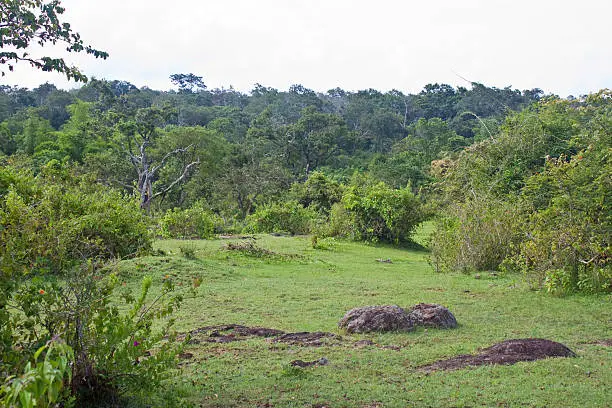
The Zünheboto region is a paradise for nature lovers. The surrounding hills offer excellent hiking opportunities. While there are no major marked trails, you can engage a local guide to explore pine forests, terraced fields, and enjoy breathtaking views of the Naga mountain range. The cool climate and pure air guarantee an excellent walking experience.
Local markets
The commercial heart of Zünheboto is its market. Wandering between the stalls is the best way to get a feel for the town. You'll find fresh farm produce, local spices, traditional Naga textiles (such as the ornate Sumi shawl) and craft items. It's the perfect place to pick up authentic souvenirs.
Festivals (Ahuna and Tuluni)
If your visit coincides with the major Sumi festivals, you'll witness a spectacular demonstration of their rich culture. The harvest festival, Tuluni (celebrated in July), marks a time of rest and celebration, featuring grand communal feasts and traditional chants. Ahuna (in November), another harvest celebration, is accompanied by warrior dances and ancestral rituals. These events are privileged moments to see the Sumis in their finest dress.
Zünheboto is located in a mountainous region and is not directly served by air or rail. Access is primarily by road.
By air: The nearest airport is Dimapur (DMU), located approximately 200 to 220 kilometres away. It is well served by regular flights from major Indian cities such as Kolkata and Guwahati. From the airport, you'll need to hire a taxi or use a bus service to reach Zünheboto.
By train: The nearest and most important railway station is also Dimapur. From there, travellers must continue by car or bus.
By road: Road is the backbone of transport in Nagaland. Shared taxis and public or private buses run regularly between Kohima (the state capital), Dimapur, and Zünheboto. It's essential to check road conditions, as landslides are common during the monsoon season. Mountain driving is scenic but slow.
When to Visit?
The best season to discover Zünheboto is winter, from October to March. This period offers cool weather (between 10°C and 20°C) perfect for hiking. It's also in November that the Ahuna festival takes place. Summer (April to June) remains pleasant, while the monsoon season (July to September) makes roads more challenging, but allows you to attend the Tuluni harvest festival.
Frequently Asked Questions
Which state is Zünheboto located in?
Zünheboto is to be discovered in the state of Nagaland, a region in Northeast India. It sits approximately 130 kilometres from the state capital, Kohima.
Why is Zünheboto famous?
Zünheboto is primarily famous for two reasons:
- It is the home of the Sumi Naga tribe, one of Nagaland's most significant tribes, making it a major cultural centre for Sumi heritage.
- It houses the Sumi Baptist Church, often cited as Asia's largest Baptist church by seating capacity. This church is a symbol of the region's Christian faith.
What is the nearest airport to Zünheboto?
The nearest commercial airport to Zünheboto is Dimapur Airport (DMU). It is located in Dimapur, Nagaland's largest city, and offers regular connections to other Indian cities.
What was the construction cost of Zünheboto's church?
The construction cost of the Sumi Baptist Church is estimated at approximately 2.2 million euros or 2.5 million US dollars. It was largely financed by contributions from the Sumi community itself, a gesture reflecting their deep religious devotion. The church required ten years of construction, from 2007 to 2017.
Want to discover this destination?
Our local advisors design your tailor-made trip.