Visakhapatnam
Visakhapatnam
Vizag combines a lively waterfront, submarine museum, Kalinga temples and excursions to the tribal Araku Valley. A crossroads between sea and hills on India's east coast.
Visakhapatnam — nicknamed "Vizag" — is the largest city in Andhra Pradesh, nestled between the Eastern Ghats hills and the Bay of Bengal. A major industrial port, it also boasts sandy beaches, a submarine museum, ancient temples and a food scene rooted in Telugu coastal cuisine. It serves as a gateway to the Araku tribes and the Borra Gorges.
Essential Information at a Glance
- Best time to visit: October to March (mild temperatures, calm seas).
- Getting there: Visakhapatnam international airport (VTZ), railway station on the Chennai–Kolkata line, long-distance buses from Hyderabad.
- Recommended duration: 2 to 3 days to explore the city and its immediate surroundings.
- Dress code: covered clothing recommended for temples and places of worship.
- Local language: Telugu; English is understood in hotels and tourist shops.
What to See
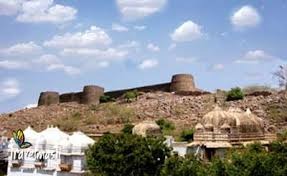
Vizag unfolds across several fronts. The RK Beach promenade stretches along the sea for several kilometers, lined with gardens and food stalls. The INS Kurusura submarine, converted into a museum, is moored on this same beach. Kailasagiri Hill offers panoramic views over the bay from its terraced gardens. The Old Town district preserves temples and colonial architecture.
History and Context
Vizag is one of India's oldest natural ports. Mentioned in ancient Buddhist texts, it has been successively under the influence of the Kalinga, Vijayanagara, French and British. The city saw its industrial boom in the 20th century with the establishment of a shipyard and steel plant. Today it remains the principal deep-water port on India's east coast.
Highlights of the Visit
RK Beach and the Waterfront
Ramakrishna Beach is the social heart of the city. In the morning, locals practice yoga facing the sea. In the evening, stalls selling punugulu (Telugu fritters) and roasted corn come alive. The atmosphere is relaxed, far from mass tourism.
INS Kurusura Submarine Museum
This Indian Navy submarine, retired from service in 2001, is accessible from within. The cramped compartments, torpedoes and navigation instruments give a tangible sense of life aboard. It's one of the few submarine museums open to the public in India.
Kailasagiri Hill
This hilltop park is accessible by cable car. At the summit, a monumental statue of Shiva and Parvati overlooks the bay. The hillside gardens are pleasant in late afternoon, when raking light colors the sea.
Simhachalam Temple
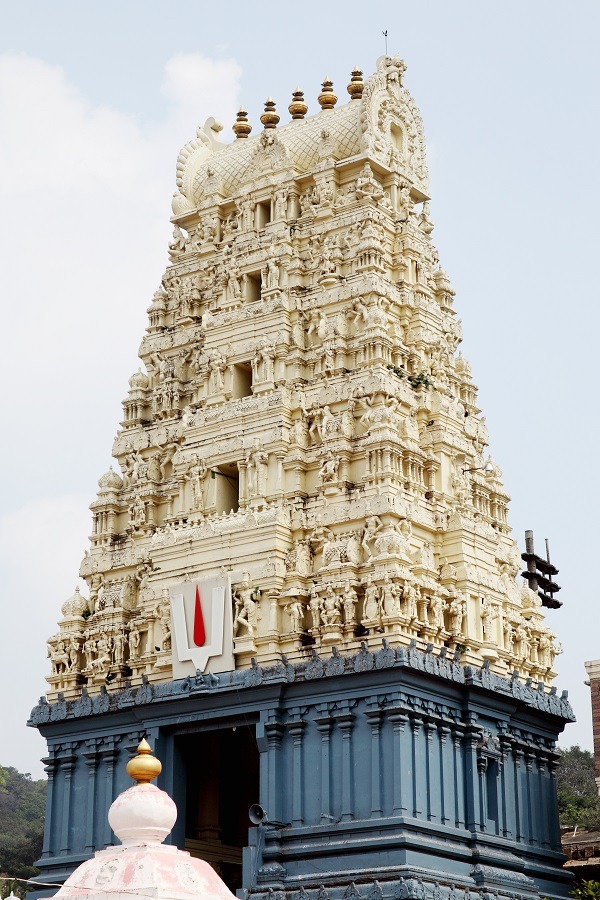
About fifteen kilometers from the center, this temple dedicated to Narasimha (an avatar of Vishnu) dates to the 11th century. Its architecture blends Kalinga and Chalukya styles. It's an active pilgrimage site, particularly busy during the Akshaya Tritiya festival.
Araku Valley and Borra Caves
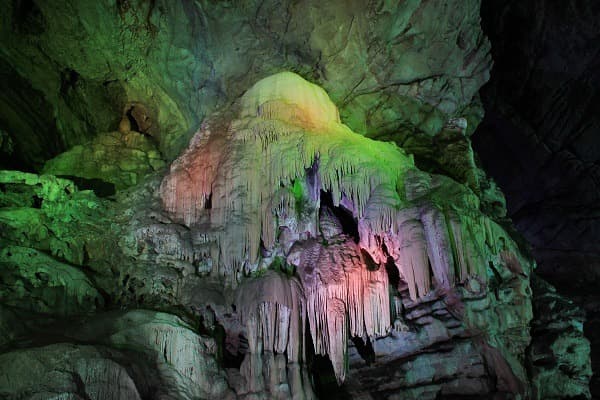
About 115 km to the northwest, Araku Valley is a tribal plateau at 900 m altitude, traversed by a scenic train from Vizag. The Borra Caves, carved into limestone, feature remarkable stalactites and stalagmites. This day excursion is one of the most popular from the city.
Etiquette and Visiting Rules
- Remove your shoes before entering any temple.
- Shoulders and knees must be covered in places of worship.
- Photography is often prohibited inside sanctuaries — check signs at the entrance.
- At Simhachalam Temple, non-Hindus may have limited access to certain inner areas.
Photography Tips
- RK Beach: sunrise for golden light on the water, without crowds.
- Kailasagiri: golden hour in late afternoon for views over the bay.
- INS Kurusura: interior is dim — a recent phone or camera with good ISO is helpful.
- Borra Caves: tripod recommended, colored artificial lighting on-site.
Location and Access
Visakhapatnam is located on the northeast coast of Andhra Pradesh, approximately 700 km northeast of Hyderabad. The airport is just a few kilometers from the city center. The main railway station connects the city to major Indian metros. Within the city, auto-rickshaws, taxis and ride-sharing apps (Ola, Uber) cover most of your travel needs.
Nearby Attractions
- Borra Caves — spectacular limestone formations in the Araku hills, approximately 2 hours' drive away.
- Araku Valley — verdant tribal plateau, accessible by scenic train journey from Vizag.
- Simhachalam Temple — medieval Kalinga-style temple dedicated to Narasimha, about fifteen kilometers from the center.
Frequently asked questions
From October to March, the climate is dry and temperatures pleasant. Avoid the monsoon (June–September) if you want to enjoy the beaches and mountain excursions.
Yes, by taking the scenic train early in the morning from Visakhapatnam station. The journey takes about 3 hours each way and passes through remarkable tunnels and viaducts. Plan a full day.
Yes. Shoulders and knees must be covered. Remove your shoes at the entrance. A lightweight sarong or shawl in your bag is useful for impromptu visits.
Photography is generally permitted outside and in certain interior areas. Check signs on-site, as rules may change.
Auto-rickshaws are the most convenient option for short distances. Ola and Uber operate in Vizag for longer journeys or to outlying sites like Simhachalam.
Coastal Telugu cuisine is renowned for its spicy fish and seafood curries. Punugulu (fermented rice fritters) and pesarattu (green lentil crepes) are local breakfast staples not to miss.
Photos
Want to discover this destination?
Our local advisors design your tailor-made trip.