Silent Valley
Silent Valley is one of India's last primary wet tropical forests, nestled in the Nilgiris of Kerala. Home to Asian elephants, lion-tailed macaques, and exceptional biodiversity within a national park preserved by a historic citizen movement.
Silent Valley National Park spreads across the Nilgiris in the heart of Kerala, encompassing one of India's last primary wet tropical forests. Designated a biosphere reserve, it harbors exceptional biodiversity: Asian lions, elephants, leopards, and hundreds of species of birds and butterflies. Its preservation owes much to a historic citizen mobilization of the 1970s and 1980s that halted a hydroelectric project.
Practical information at a glance
- Access: main entrance via Mukkali, approximately 25 km from Mannarkkad; the forest road is reserved for vehicles authorized by the park.
- Entry: fee-based; permit required, issued at the Mukkali office.
- Closure: the park closes during monsoon season (typically June to September); verify exact dates with the Kerala Forest Department before planning.
- Recommended duration: a full day for guided jeep safari and trekking.
- Rules: visits only with official park guide; personal vehicles prohibited beyond the Mukkali checkpoint.
- Accessibility: limited due to rugged forest terrain.
What to see
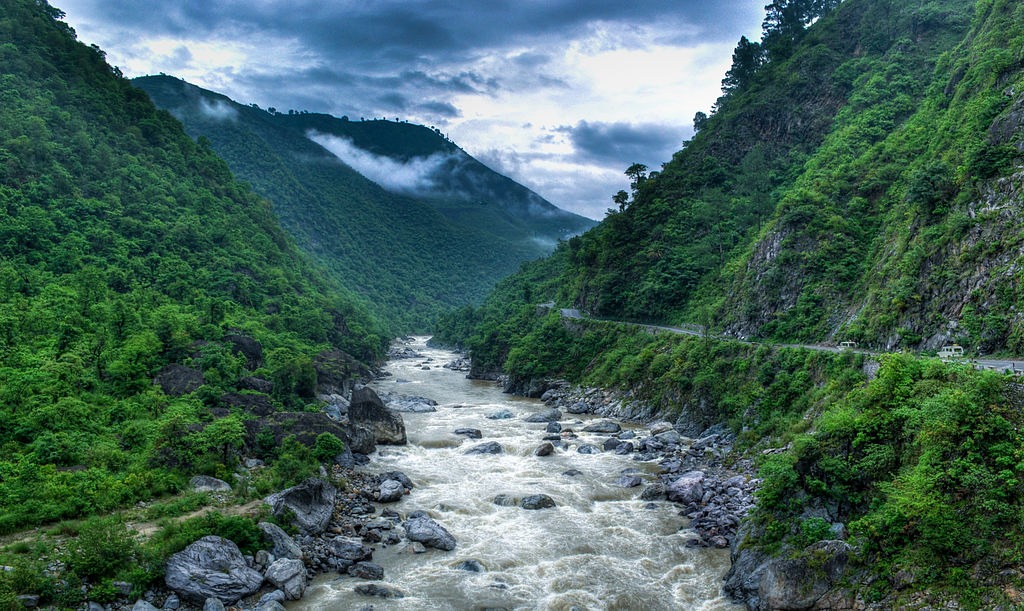
Dense forest blankets steep valleys traversed by the Kunthi River. Jeep safaris follow zones where wild Asian elephants are frequently spotted. Guided forest trails wind through stratified vegetation: tree ferns, wild orchids, and giant bamboos. Ornithologists document endemic Western Ghats species here, including the Malabar pied hornbill.
History and context
In the 1970s, a dam project on the Kunthi River threatened to flood the valley. A national campaign led by scientists, writers, and citizens — known as the Silent Valley Movement — resulted in the project's abandonment in 1983. The national park was officially established that same year. This episode remains a foundational reference in India's environmental movement.
Highlights of your visit
Jeep safari in the central zone
The guided jeep safari is the only way to access the park's core. Chances of spotting Asian elephants, lion-tailed macaques (a vulnerable endemic species), and deer are high in early morning.
Kunthi River trail
The trail along the Kunthi offers immersion in primary forest. The pristine, unpolluted river flows across moss-covered rocks. It is one of the few places in India where you can walk through truly intact forest.
Birdwatching
The Western Ghats rank among the world's avian biodiversity hotspots. Silent Valley concentrates rare species: the brown creeper of the Ghats, several bulbul and kingfisher species. Dawn is the best time.
Photography tips
Light filtered through the canopy is soft throughout the morning. Use a telephoto lens for wildlife, often observed at distance from the jeep. Reflections of the Kunthi on rocks offer beautiful compositions late morning. Cameras are permitted; check for any drone restrictions at the park office.
Location and access
The park lies in Palakkad district in northern Kerala. The entrance point is the village of Mukkali, accessible from Mannarkkad (approximately 25 km). Mannarkkad is connected by bus to Palakkad, which has a railway station on the Chennai-Coimbatore-Shoranur line. From Palakkad, local taxis and buses serve Mannarkkad. No public transport reaches Mukkali; a taxi or rental vehicle is necessary for the final stretch.
Nearby attractions
- Palakkad Fort — well-preserved 18th-century Hyder Ali fortress, worth visiting from Palakkad town.
- Malampuzha Dam — large reservoir with gardens and cable car, in Palakkad, appreciated for its hill landscapes.
- Nelliyampathy Hills — hill station with tea and coffee plantations, panoramic views over Kerala's plains.
Frequently asked questions
The dry season, October to May, is ideal. The park closes during monsoon (typically June to September); confirm exact dates with the Kerala Forest Department before booking.
Permits are issued at the Mukkali office, but daily visitor numbers are limited. It is advisable to contact the park office or work through a local operator to secure a spot, especially during high season.
No. All visits must be accompanied by an official park guide. Personal vehicles are prohibited beyond the Mukkali checkpoint.
Asian elephants, lion-tailed macaques, leopards, axis deer, gaurs, and a wide variety of endemic Western Ghats birds. Sightings depend on season and luck.
A full day is recommended: morning jeep safari, guided forest walk, and return before park closure in late afternoon.
Accommodation options exist at Mukkali and nearby areas, managed by the forest department or private operators. Most visitors stay in Mannarkkad or Palakkad and make day visits.
Want to discover this destination?
Our local advisors design your tailor-made trip.