Rayagada
Rayagada
Rayagada, a town in Odisha nestled in the Eastern Ghats, is the ideal base for discovering Dongria Kondh tribal markets, the sacred Niyamgiri hills and the forested landscapes of southern India.
Rayagada is a town in Odisha state in southeastern India, nestled in the Eastern Ghats hills. A tribal crossroads, it serves as a base for exploring the weekly markets of the Kondh and Dongria Kondh communities, as well as the region's forested landscapes and waterfalls. Its remote location makes it a stop for travelers seeking to venture beyond Odisha's well-trodden tourist circuits.
What to see
Rayagada itself is a modest-sized town, but its surroundings concentrate the main attractions. The tribal markets — notably Chatikona, frequented by the Dongria Kondh — draw weekly gatherings of vendors selling forest products, traditional jewelry and hand-woven textiles. The surrounding hills are home to villages where artisanal traditions and ritual practices remain vibrant.
History and context
The Rayagada region has historically been inhabited by tribal groups, including the Kondh, known for their resistance to outside influences and their distinctive cultural practices. British colonial administration incorporated this territory into Koraput district before Rayagada became an autonomous district in 1992. The land rights question surrounding the Dongria Kondh communities over the Niyamgiri hills attracted international attention in the 2000s-2010s.
Highlights of a visit
Chatikona tribal market
This weekly market is one of the most authentic in the region. Dongria Kondh women come in traditional dress — metal jewelry, facial tattoos — to sell vegetables, forest oils and handicrafts. Attendance is highest early in the morning.
Niyamgiri Hills
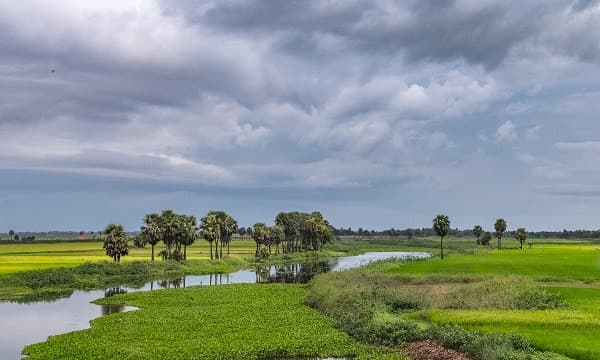
These forested hills, sacred to the Dongria Kondh, offer landscapes of dense forests and cascades. Access requires organizing from Rayagada with a local guide familiar with the villages and community visiting rules.
Harishankar Falls and surroundings
The area around Rayagada has several natural sites with waterfalls accessible during the season. Access conditions vary depending on the monsoon; check locally before setting out.
Etiquette and visiting guidelines
- Tribal villages: always ask permission before photographing people or ceremonies.
- Markets: avoid interrupting transactions; observe without imposing yourself.
- Niyamgiri Hills: respect local guides' directions regarding areas accessible to outside visitors.
- Dress code: conservative clothing recommended in villages.
Photography tips
Morning light is ideal at tribal markets, before crowds become too dense. In the hills, the post-monsoon season (October-November) offers lush vegetation and active waterfalls. Always obtain consent from people before photographing them — some communities are particularly sensitive to this.
Location and access
Rayagada is connected by rail to Visakhapatnam (Andhra Pradesh) and Bhubaneswar. Rayagada railway station is the main entry point. Buses connect the town to neighboring districts. Roads to tribal villages and hills are often unpaved; a 4x4 vehicle or motorcycle is recommended for excursions. The nearest airport is Visakhapatnam.
Nearby attractions
- Koraput — neighboring town with a renowned tribal market and a museum dedicated to Odisha's tribal cultures.
- Jeypore — alternative base for exploring the region's markets and villages, with slightly more developed tourist infrastructure.
- Visakhapatnam — coastal city in Andhra Pradesh, convenient departure or arrival point for reaching Rayagada by train.
Frequently asked questions
October through February offers pleasant weather and passable roads. The monsoon season (June-September) makes some tracks difficult to access, but landscapes are lush and verdant.
The rail link is the most practical option. Several trains connect Bhubaneswar to Rayagada; the journey takes several hours depending on the train. Check schedules on the Indian Railways website.
A local guide is strongly recommended. They facilitate communication, understand community rules and help avoid cultural misunderstandings, particularly in Dongria Kondh villages.
Photography is possible but always ask for consent from people. Some communities refuse to be photographed; respect this choice without insisting.
Two to three days allow you to visit one or two weekly markets and make an excursion to the surrounding hills. Combining with Koraput or Jeypore requires at least five days.
Photos
Want to discover this destination?
Our local advisors design your tailor-made trip.