Lato Gongma
Lato Gongma
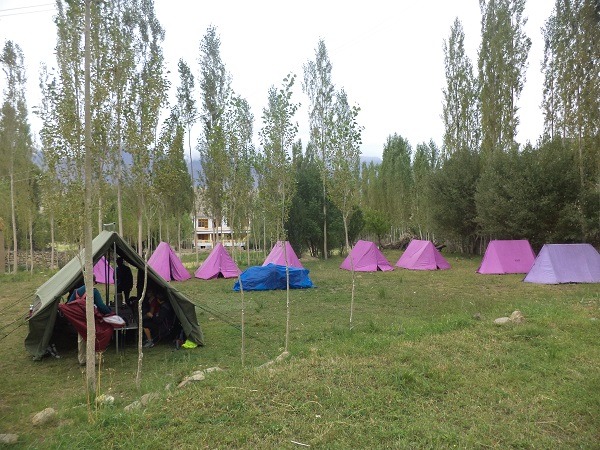
Lato Gongma is a Buddhist village in the Indus Valley, Ladakh, with its earthen houses, mani walls, and agricultural terraces set against the desert ridges of the Himalaya.
Lato Gongma is a high-altitude village nestled in the Indus Valley, in Ladakh (India). Perched on the barren foothills of the Himalaya, it is one of a constellation of small agricultural and Buddhist settlements scattered along the route between Leh and the Tibetan border. Its name literally means "Upper Lato," in contrast to Lato Yogma (the lower village). Life here revolves around barley, apricot orchards, and neighborhood gompas.
What to See
The village preserves traditional Ladakhi architecture: whitewashed earthen houses with flat roofs, mani walls (stones carved with mantras), and small chortens (stupas) at the crossroads. Terraced fields descend toward the Indus riverbed. One or several modest Buddhist shrines punctuate the narrow lanes.
History and Context
Like most villages in the Indus Valley, Lato Gongma is embedded in the long history of Buddhist Ladakh, shaped by Tibetan influence since the 10th century. The division into "Gongma" (upper) and "Yogma" (lower) reflects a spatial organization typical of Ladakhi communities, reflecting both topography and kinship ties between hamlets.
Highlights of a Visit
Mani Walls and Chortens
The long rows of mani stones carved with the invocation Om Mani Padme Hum form the most immediate visible heritage. They are always circumambulated clockwise, according to Buddhist custom.
The Indus Landscape
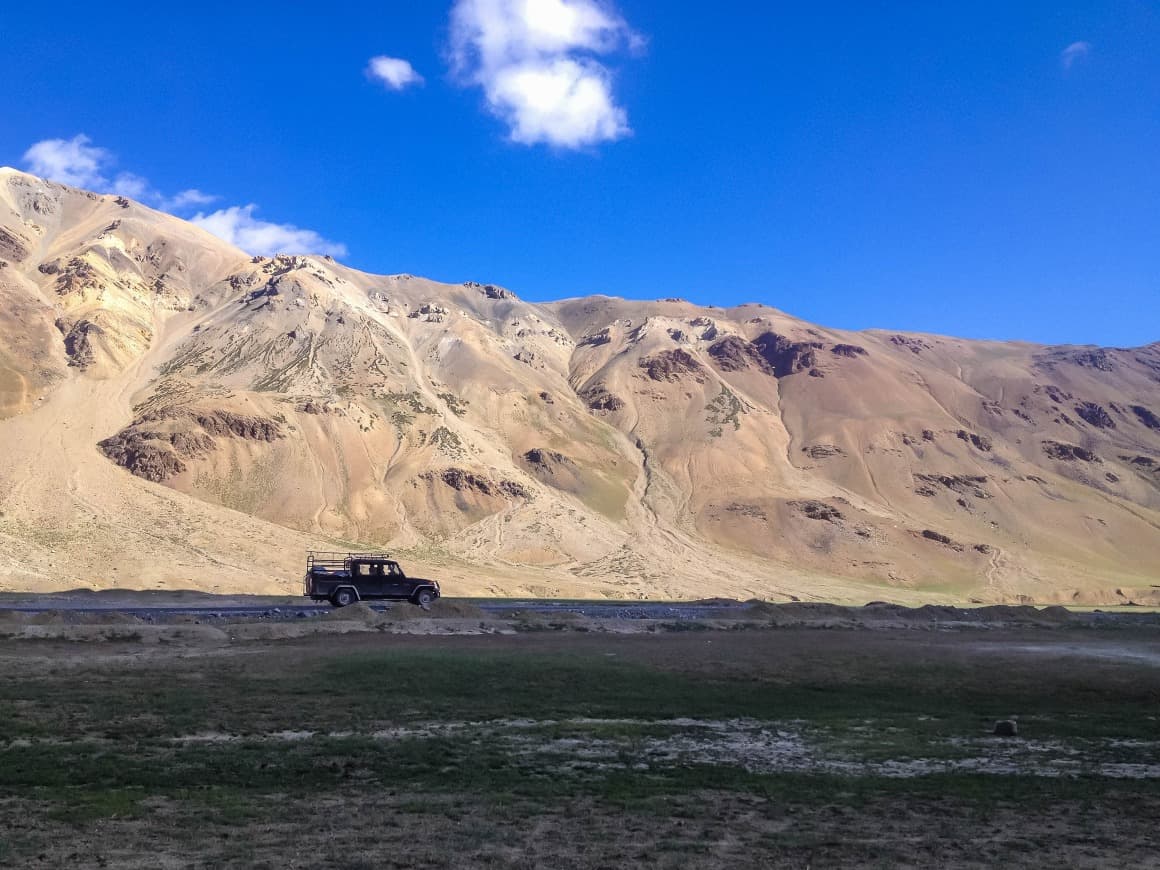
The village's position offers sweeping views over the gorge of the Indus Valley and the desert ridges that border it—a palette of beige, ochre, and grey characteristic of Ladakh.
High-Altitude Agriculture
In summer, barley terraces and apricot orchards in bloom (April–May) give the village a striking green hue, contrasting sharply with the mineral desert surrounding it.
Etiquette and Visit Guidelines
- Always ask permission before photographing residents or the interiors of shrines.
- Circumambulate mani walls and chortens clockwise (left shoulder inward).
- Dress modestly if entering a place of worship; remove your shoes.
- Avoid visiting during ceremonies unless invited.
Photography Tips
Early morning light is ideal: it strikes the white façades and chortens without the glare of midday. Contrasts between green vegetation and arid mountains are most striking in June–July. Avoid photographing people without explicit permission.
Location and Access
Lato Gongma lies in Leh district, along the Indus Valley, east of Leh. The national highway NH-301 (formerly NH-1) runs along the Indus and serves villages in this area. Access is mainly by private vehicle or taxi from Leh. No regular public transport is guaranteed to the village itself. The altitude exceeds 3,000 meters: allow time for acclimatization.
Nearby
- Leh — capital of Ladakh and the essential logistical hub for the entire region.
- Thiksey Monastery — a grand gompa overlooking the Indus Valley, with architecture reminiscent of the Potala in Lhasa.
- Hemis Monastery — the largest and wealthiest monastery in Ladakh, famous for its annual festival.
- Shey — former royal palace and Buddhist pilgrimage site in the Indus Valley.
Frequently asked questions
May to September, when the Indus Valley road is fully accessible and the village is in agricultural activity. April offers flowering apricot orchards. Winter (November–March) is severe and access may be difficult.
The most practical solution is to hire a taxi or private vehicle from Leh. The village is located on or near the Indus Valley road heading east. No regular direct bus service to the village is confirmed.
Foreign nationals should check whether the area is designated as a "Protected Area" or "Restricted Area" at the time of travel, as regulations in Ladakh evolve. Inquire with local authorities or your travel agency before departure.
Yes. The Indus Valley concentrates several major monasteries (Thiksey, Hemis, Shey) accessible in a day from Leh. Lato Gongma fits naturally into a valley circuit.
Small villages like Lato Gongma sometimes offer homestays with local families, but availability is not guaranteed. It is advisable to arrange lodging in Leh and visit the village as a day trip.
Want to discover this destination?
Our local advisors design your tailor-made trip.