Lachung
Lachung
A mountain village in North Sikkim at 2,700 meters altitude, Lachung is the starting point for Yumthang Valley and the Zero Point plateau, set amid rhododendron forests and snow-capped peaks.
Lachung is a mountain village in North Sikkim, nestled at approximately 2,700 meters altitude in the Teesta Valley. Surrounded by rhododendron forests, waterfalls, and snow-capped peaks, it serves as the primary base for reaching the Yumthang plateau and, higher still, Yumesamdong Valley (Zero Point). The village maintains a strong Lepcha and Tibetan identity, visible in its Buddhist monastery and traditional governance system, the Dzumsa.
Practical information at a glance
- Access: Lachung is accessible from Gangtok (approximately 115 km) via mountain road; the journey typically takes 5 to 6 hours depending on conditions.
- Mandatory permit: A restricted area permit (Inner Line Permit) is required for Indian nationals; foreigners must obtain a Protected Area Permit — to be arranged in Gangtok before departure.
- Recommended duration: 1 to 2 nights to visit Yumthang and Zero Point without rushing.
- Best season: April–May (rhododendron blooms) and October–November (clear skies). The road is often closed in winter (December–March) due to snow.
- Accommodation: Guesthouses and small family-run hotels; reservations advised during peak season.
What to see
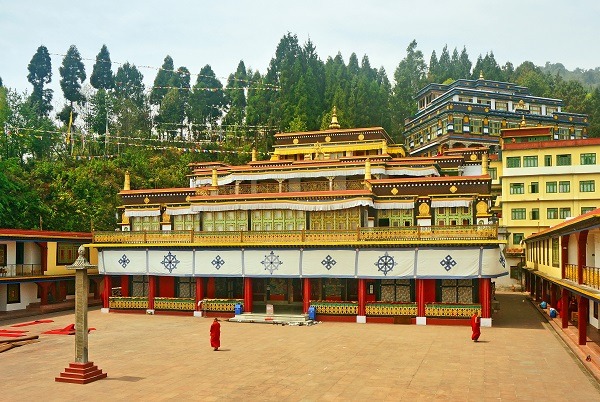
The village itself is compact and peaceful. The Lachung River, a tributary of the Teesta, flows through the valley framed by forested hillsides. The Lachung Monastery, in the Tibetan tradition, overlooks the village from a promontory. Wooden and stone houses, terraced fields, and prayer flags give the place an authentic atmosphere, far from mass tourism.
History and context
Lachung means "small pass" in Tibetan. The village was long administered by the Dzumsa system, a form of community self-governance unique to North Sikkim, which governed lands, forests, and local disputes. Even after Sikkim's integration into India in 1975, the Dzumsa retained real authority over village life.
Travel highlights
Yumthang Valley
Approximately 24 km north of Lachung, Yumthang (3,564 m) is an alpine valley blanketed with flowering rhododendrons from April to May. Natural hot springs are accessible on-site. The road follows the Lachung River through a breathtaking high-altitude landscape.
Zero Point (Yumesamdong)
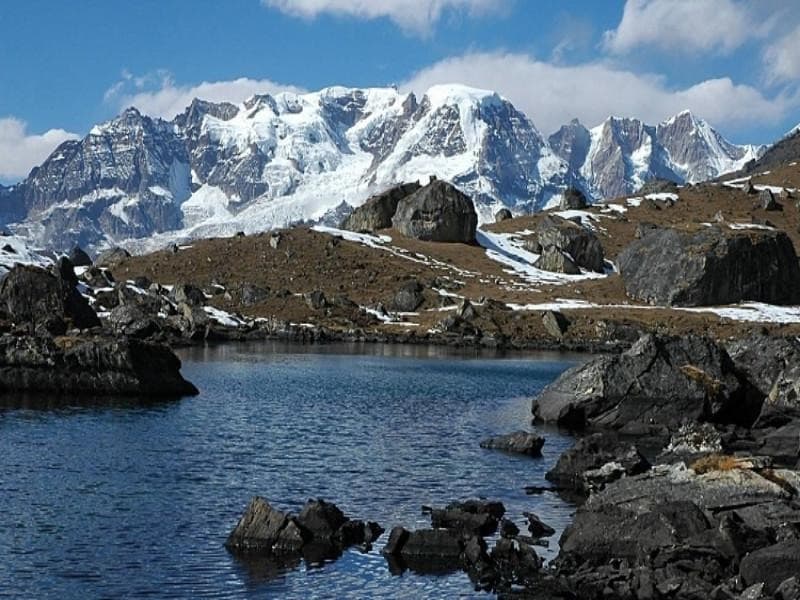
Approximately 25 km beyond Yumthang, Zero Point reaches nearly 4,800 meters. Snow-covered for much of the year, it is the northernmost point accessible to visitors in this area. Access depends on weather conditions and road opening status.
Lachung Monastery
Small but active, this Tibetan Buddhist monastery deserves a brief visit. Morning ceremonies, when open to visitors, offer a moment of tranquility before heading to Yumthang.
Etiquette and visiting rules
- Remove your shoes before entering the monastery.
- Dress modestly (shoulders and knees covered).
- Ask permission before photographing monks or the interior of the sanctuary.
- Circumambulate stupas and prayer wheels in a clockwise direction.
Photography tips
Early morning light is ideal for photographing the village with snow-capped peaks in the background. At Yumthang, rhododendron carpets are most photogenic between 9 a.m. and 11 a.m., before valley mist rises. At Zero Point, bring a UV filter or lens protection: snow reflection is intense.
Location and access
Lachung is located in North Sikkim district. The road from Gangtok passes through Chungthang, the junction point of Lachung and Lachen valleys. Landslides are frequent during monsoon (June–September) and can block the road for several days. There is no regular public transport: visitors travel by shared jeep or private vehicle arranged through their accommodation or travel agency.
In the vicinity
- Lachen — Neighboring village in the parallel valley, starting point for Gurudongmar Lake.
- Yumthang Valley — Alpine meadow with rhododendrons, less than an hour's drive away.
- Gangtok — Sikkim's capital, logistical hub for all permits and transfers.
- Chungthang — Town at the confluence of the two valleys, a stop on the route.
Frequently asked questions
Yes. Indian nationals require an Inner Line Permit; foreigners need a Protected Area Permit. These documents are obtained in Gangtok from the relevant authorities or through an authorized local agency.
April–May for rhododendron blooms at Yumthang, and October–November for clear skies and peak views. Avoid the monsoon (June–September): roads are frequently cut off.
Yes, it's the classic North Sikkim circuit. Most itineraries include one night in Lachen (for Gurudongmar) and one night in Lachung (for Yumthang), departing from Gangtok.
Only by jeep — shared or private. There is no public bus service on this route. The journey takes approximately 5 to 6 hours depending on road conditions.
Lachung is at approximately 2,700 m: most visitors acclimatize without difficulty. Zero Point, however, exceeds 4,800 m; ascend gradually and avoid strenuous exertion on the first day.
Outdoor photography is generally allowed. Inside, always ask permission from the monks present before using your camera.
Photos
Want to discover this destination?
Our local advisors design your tailor-made trip.