Khandala
Khandala
Khandala is a mountain station nestled in the Western Ghats, about 100 km from Mumbai. Basalt cliffs, sweeping valley views, and monsoon waterfalls make it a beloved escape for Mumbaikars.
Khandala is a mountain station nestled in the Western Ghats, approximately 100 km from Mumbai, in Maharashtra State. Perched at nearly 625 metres above sea level on the Deccan Plateau, it draws city dwellers seeking cooler air, mist-laden vistas, and lush landscapes. During the monsoon, it undergoes a dramatic transformation: ephemeral waterfalls, cloud-shrouded valleys, and vibrant green vegetation make it a coveted destination for Mumbaikars seeking respite.
Essential Information at a Glance
- Access: Train from Mumbai CST or Pune (Mumbai–Pune line, Khandala station); by road via the Mumbai–Pune expressway (Khandala exit).
- Best time to visit: Monsoon (July–September) for waterfalls; October–February for clear skies and pleasant weather.
- Suggested duration: A day or a weekend.
- What to wear: Trekking shoes recommended for trails; waterproof clothing during monsoon.
What to See
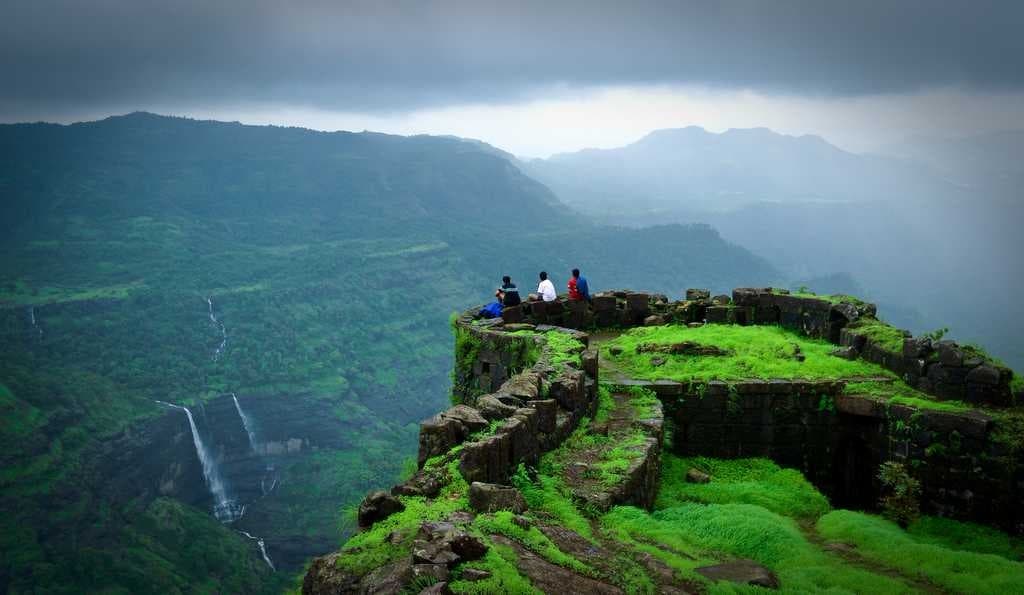
Khandala's landscape is defined by basalt escarpments, deep valleys, and sweeping views across the coastal plains. The two most visited sites are Bhushi Dam, a barrage where water spills dramatically down stepped tiers during monsoon, and Duke's Nose (Nagphani), a cobra-head-shaped rocky outcrop offering panoramic views of the valley and expressway. Tiger's Leap (Vaaghjai) is another breathtaking vantage point, with a sheer cliff face that seems to plunge into the void.
History and Context
Khandala was established as a hill station during the British colonial era, alongside its neighbouring town of Lonavala, just a few kilometres away. The two towns often form a single tourist circuit. The Mumbai–Pune railway line, constructed through the Ghats in the nineteenth century, made these heights accessible and fuelled their development.
Highlights of Your Visit
Duke's Nose (Nagphani)
This rocky promontory is Khandala's signature viewpoint. The walk from the main road takes approximately one hour. On clear days, your gaze extends across the Deccan plains and the serpentine expressway winding through the mountains.
Tiger's Leap (Vaaghjai)
The sheer cliff creates the impression of standing at the edge of an abyss. During monsoon, clouds cling to the cliff face and vegetation glows an intense green. Access is by car followed by a short walk on a well-trodden path.
Bhushi Dam
In the rainy season, water cascades down the dam's stepped tiers, creating a natural waterfall effect that draws crowds. Visitors wade in the shallows; exercise caution during flash floods.
Photography Tips
Morning light works beautifully at Duke's Nose before mist rises. During monsoon, low clouds create dramatic atmospheres but reduce distant visibility. Bring a waterproof camera cover. Bhushi Dam photographs well from below the lower tiers, shot from a low angle.
Location and Access
Khandala lies in Pune district, on the border with Raigad district. It is accessible by train (Mumbai–Pune line, Khandala station) or by car via the Mumbai–Pune expressway. The neighbouring town of Lonavala is just a few kilometres away and shares the same tourist infrastructure. Both destinations are easily combined into a single trip.
Nearby Attractions
- Lonavala — sister station to Khandala, famous for its Buddhist caves of Karla and Bhaja, and its brittle chikki sweets.
- Karla Caves — one of the largest rock-cut Buddhist chaityas in Inde, carved into the Ghats' basalt.
- Bhaja Caves — a cluster of Buddhist caves from the 2nd century BCE, less crowded than Karla.
- Rajmachi Fort — a medieval fort accessible on foot from Khandala, popular for overnight treks.
Frequently asked questions
The monsoon (July–September) is spectacular for waterfalls and lush vegetation, though trails can be slippery. October–February offers clear skies, ideal for panoramic views and hiking.
They are two distinct but adjoining towns, often visited together. Lonavala is larger and more bustling; Khandala is quieter. Both share the same viewpoints and are connected by road and rail.
By train from Mumbai CST on the Mumbai–Pune line (approximately 2 hours), with a stop at Khandala station. By car, the Mumbai–Pune expressway allows you to reach it in 1.5 to 2 hours depending on traffic.
The walk to the outcrop is moderate but requires proper footwear. The trail can be muddy and slippery during monsoon. It is not suitable for people with mobility restrictions.
Visitors traditionally wade in the shallow waters on the dam's steps during monsoon. Remain vigilant: water levels can rise rapidly and currents can be strong during flooding.
Photos
Want to discover this destination?
Our local advisors design your tailor-made trip.