Khaltse
Khaltse
Khaltse is a Ladakhi town 70 km from Leh, at the confluence of the Indus and Shingo rivers. Its rock carved with Kharoshthi inscriptions, ruined fort and monastery make it a historic stop on the Srinagar route.
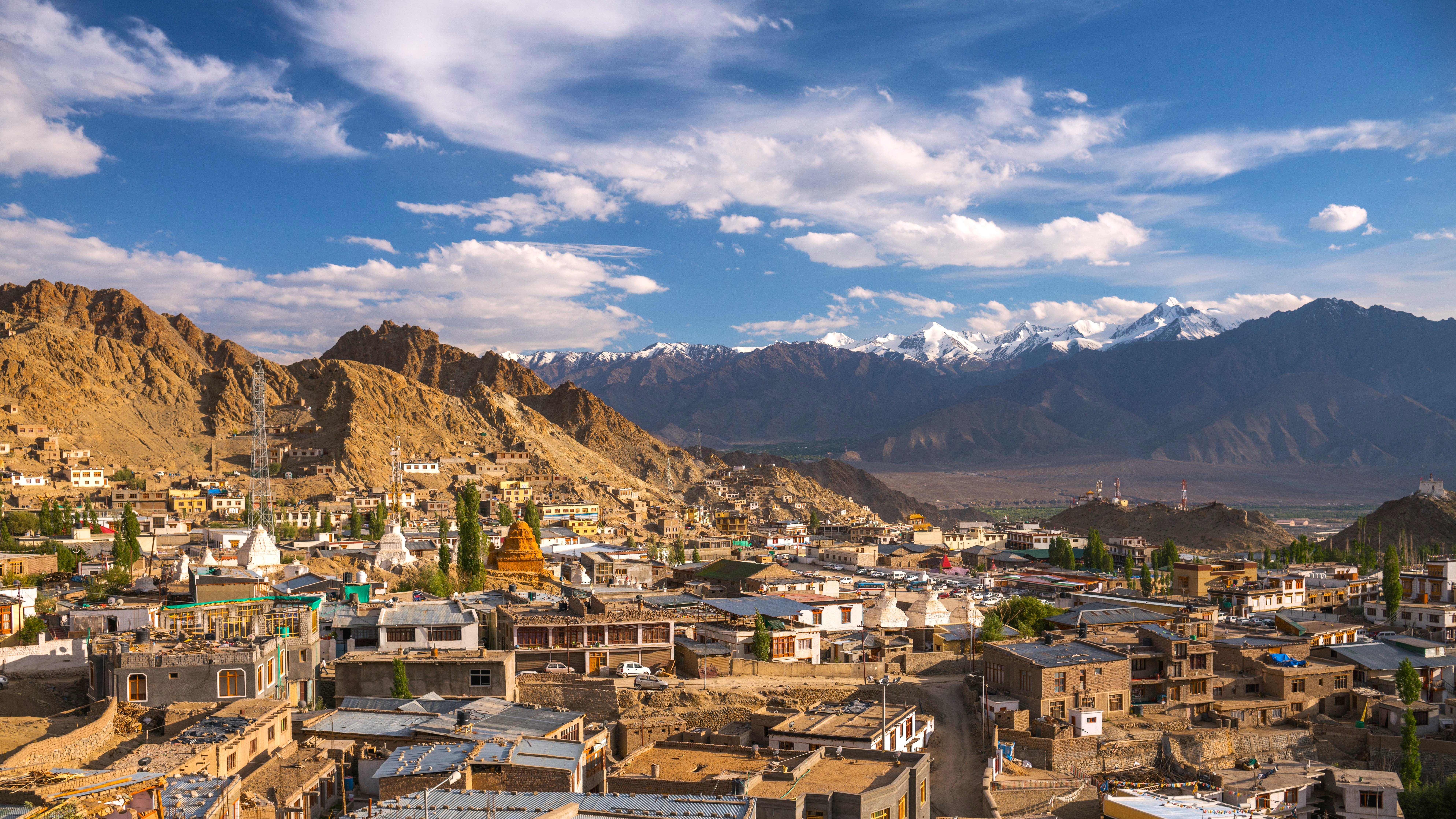
Khaltse is a settlement in the Indus Valley, located approximately 70 km west of Leh on the national highway connecting Ladakh to Srinagar. Positioned at the confluence of the Indus and Shingo rivers, it marks the gateway to Zanskar and western Nubra. The village encompasses a ruined old fort, a Buddhist monastery and a rock carved with ancient inscriptions that make it a historic stop along the Silk Road.
Practical information at a glance
- Access: on NH1 (Leh–Srinagar), accessible by public bus from Leh or private vehicle.
- Recommended duration: half a day to explore the town, carved rock and immediate surroundings.
- Dress code: covered clothing recommended for monastery visits.
- Altitude: approximately 2,900 m — plan for acclimatization from Leh beforehand.
What to see
The most remarkable site is the Khalatse rock, a large rock surface carved with inscriptions in Kharoshthi and Brahmi script dating to the Kushan period (1st–3rd century). These inscriptions bear witness to the passage of caravans and pilgrims along the Silk Road. The old fort perched above dominates the confluence of the two rivers, offering views across the enclosed valley. The local monastery, modest in size, houses a few statues and thangkas.
History and context
Khaltse lay on a major trade route linking Central Asia to northern India. The Kharoshthi inscriptions on the rock are among the westernmost in Ladakh and attest to organized human presence from antiquity. The town was later integrated into the Kingdom of Ladakh before passing under Mughal and then Dogra administration. Today, it remains a military and administrative checkpoint for convoys heading toward Zanskar.
Highlights of the visit
The rock with ancient inscriptions
The Kharoshthi and Brahmi carvings are a rare outdoor archaeological document. They are visible directly on the rock face, without barriers, allowing close observation. Look for Buddhist symbols interspersed with the text.
The Indus–Shingo confluence
The junction point of the two rivers is visible from the road or from the fort's heights. The difference in water color — the clearer Indus and the more sediment-laden Shingo — is often perceptible depending on the season.
The old fort
The ruins of Khaltse fort overlook the village. Climbing on foot from the bazaar takes just a few minutes. The views across the Indus Valley and barren mountains make the effort worthwhile.
Etiquette and visiting rules
- Remove your shoes before entering the monastery.
- Ask permission before photographing monks or chapel interiors.
- Do not touch the rock inscriptions.
Photography tips
Morning light is ideal for photographing the carved rock: the low angle reveals the relief of the inscriptions. For the confluence, a elevated position (from the fort or overhanging road) gives the best perspective. Avoid midday in summer, when glare on the rock faces is intense.
Location and access
Khaltse is located on NH1, approximately 70 km west of Leh. Public buses connect Leh to Khaltse several times a week; the journey takes around two hours. In a private vehicle from Leh, allow 1.5 to 2 hours depending on road conditions. The town is also a natural stop on the way to Lamayuru (approximately 30 km further west) or toward Zanskar via Padum. Accessibility for those with reduced mobility is limited due to the mountainous terrain.
Nearby attractions
- Lamayuru Monastery — one of Ladakh's oldest gompas, perched on a lunar landscape approximately 30 km to the west.
- Alchi — 11th-century monastic complex with exceptional Kashmiri frescoes, approximately 30 km to the east.
- Basgo — ruins of a Ladakhi royal palace with an active monastery, on the road to Leh.
- Leh — capital of Ladakh, logistical starting point for the entire region.
Frequently asked questions
From May to October, the NH1 road is passable and weather conditions are favorable. In winter, the road can be closed by snow between Leh and Srinagar.
Khaltse is accessible without a special permit for foreign nationals. However, certain areas beyond toward Zanskar or the border require an Inner Line Permit.
Yes, this is a common excursion. Leave early from Leh, visit Khaltse then continue to Lamayuru. Plan for a full day to avoid being rushed.
A few guesthouses and homestays exist in the town, but options remain limited. Most travelers make Khaltse a day trip from Leh or Lamayuru.
The carved rock is visible from the main road at the town's entrance. It is marked locally; ask residents if you don't spot it immediately.
Photos
Want to discover this destination?
Our local advisors design your tailor-made trip.