Kasaragod
Kasaragod
Kasaragod, a crossroads of seven languages in northern Kerala, blends medieval fortresses, quiet beaches and yakshagana traditions in an authentic setting away from Kerala's well-trodden paths.
Kasaragod is Kerala's northernmost city, nestled between the Arabian Sea to the west and the Western Ghats to the east. A crossroads of seven languages — Malayalam, Kannada, Tulu, Konkani, Beary, Marathi and Urdu — it harbours a rare cultural diversity. Its medieval fortresses, quiet beaches and cashew and coconut plantations make it an authentic stop, far from Kerala's saturated tourist circuits.
Practical Information at a Glance
- Best time to visit: October to February (dry season, mild temperatures).
- Access: Kasaragod railway station on the Konkan Railway coastal line; buses from Mangalore (~50 km north) and Kozhikode (~180 km south).
- Recommended duration: 1 to 2 days for the city and its immediate surroundings.
- Language: Malayalam is dominant, Kannada and Tulu widely spoken; English is understood in hotels and shops.
What You'll See
The city itself is a lively bazaar where Beary merchants, Tulu fishermen and Malayali farmers cross paths. The surrounding area offers a varied palette: coastal fortresses, deserted beaches, yakshagana temples and mangrove swamps. Local crafts — silk weaving and beedi production — remain visible in the old bazaar's narrow streets.
History and Context
Kasaragod was long disputed between the Vijayanagara kingdoms, the Bidar Sultans and the Portuguese, before falling under British control. During India's linguistic reorganisation of states in 1956, the region was integrated into Kerala, not without tension with neighbouring Karnataka — a territorial debate that lingers today. This composite past explains the city's unique linguistic and religious mosaic.
Highlights of Your Visit
Bekal Fort
About twenty kilometres south of the city, this 17th-century fort is Kerala's largest. Built on a rocky promontory, it offers panoramic views across the Arabian Sea and coconut groves. Entrance is paid; allow an hour for your visit.
Bekal Beach and Kappil Beach
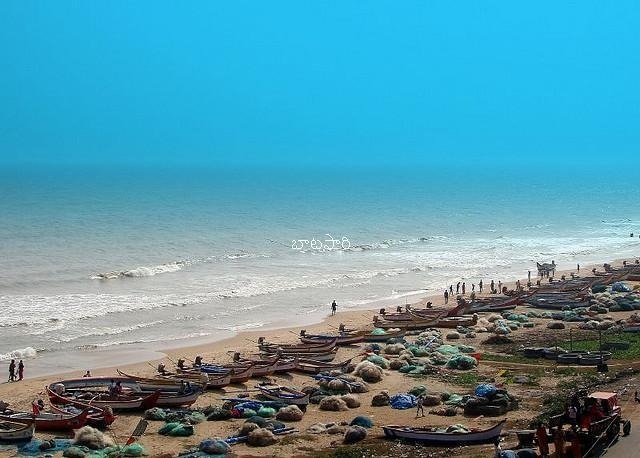
Bekal Beach, backed by the fort, is quiet on weekdays. Kappil, further north, is bordered by a freshwater lagoon separated from the sea by a strip of sand — ideal for a boat ride.
Ananthapura Temple
Kerala's only lakeside temple, Ananthapura stands at Kumbla, about 6 km from Kasaragod. Dedicated to Vishnu, it is surrounded by water on three sides. Access to the inner sanctum is reserved for Hindus.
Yakshagana
This form of dance theatre, straddling Kerala and Karnataka, thrives in Kasaragod. Local troupes perform at temple festivals between November and May. Ask your accommodation about current performances.
Etiquette and Visiting Rules
- At Ananthapura Temple: remove your shoes before entering the temple grounds; non-Hindus may access the outer courtyard.
- In the old bazaar's mosques: cover shoulders and legs; ask permission before photographing.
- At Bekal Fort: dress freely, but respect marked areas near the ramparts.
Photography Tips
Bekal Fort is most photogenic in late afternoon, when raking light gilds the red laterite. Kappil Beach offers beautiful reflections at sunrise. In temples and mosques, always check permission before taking pictures.
Location and Access
Kasaragod sits at far northern Kerala, on the border with Karnataka. The railway station is central and well-served by the Konkan Railway. Frequent buses connect the city to Mangalore and Kozhikode. The nearest airport is Mangalore. Most nearby sites are reachable by auto-rickshaw or local taxi.
In the Surroundings
- Bekal Fort — Kerala's largest fortress, perched on a promontory facing the sea.
- Ananthapura Temple — Kerala's unique lakeside temple, at Kumbla.
- Mangalore — Major coastal city in Karnataka, about 50 km away, known for its Tulu cuisine and temples.
- Kannur — Kerala city to the south, renowned for its theyyam rituals and colonial fort.
Frequently asked questions
October to February: the monsoon is over, temperatures remain pleasant and the sea is calm. Avoid June-July, the intense monsoon season.
Yes. The Konkan Railway connects Kasaragod to Goa in a few hours by train, making it a natural stop on a coastal itinerary between Kerala and Goa.
Yes. By taxi or auto-rickshaw, allow 30 to 40 minutes from the city centre. Half a day is enough for the fort and adjacent beach.
Cover shoulders and knees in temples and mosques. Remove your shoes at the entrance to places of worship. A light shawl in your bag is handy.
Performances take place mainly during temple festivals between November and May. Your hotel or local tourism office can tell you the dates of upcoming shows.
Yes, provided you speak a few words of English or Hindi. Local transport is functional, but signs are often in Malayalam or Kannada. A local guide makes visiting less-known sites easier.
Photos
Want to discover this destination?
Our local advisors design your tailor-made trip.