Kargyak
Kargyak
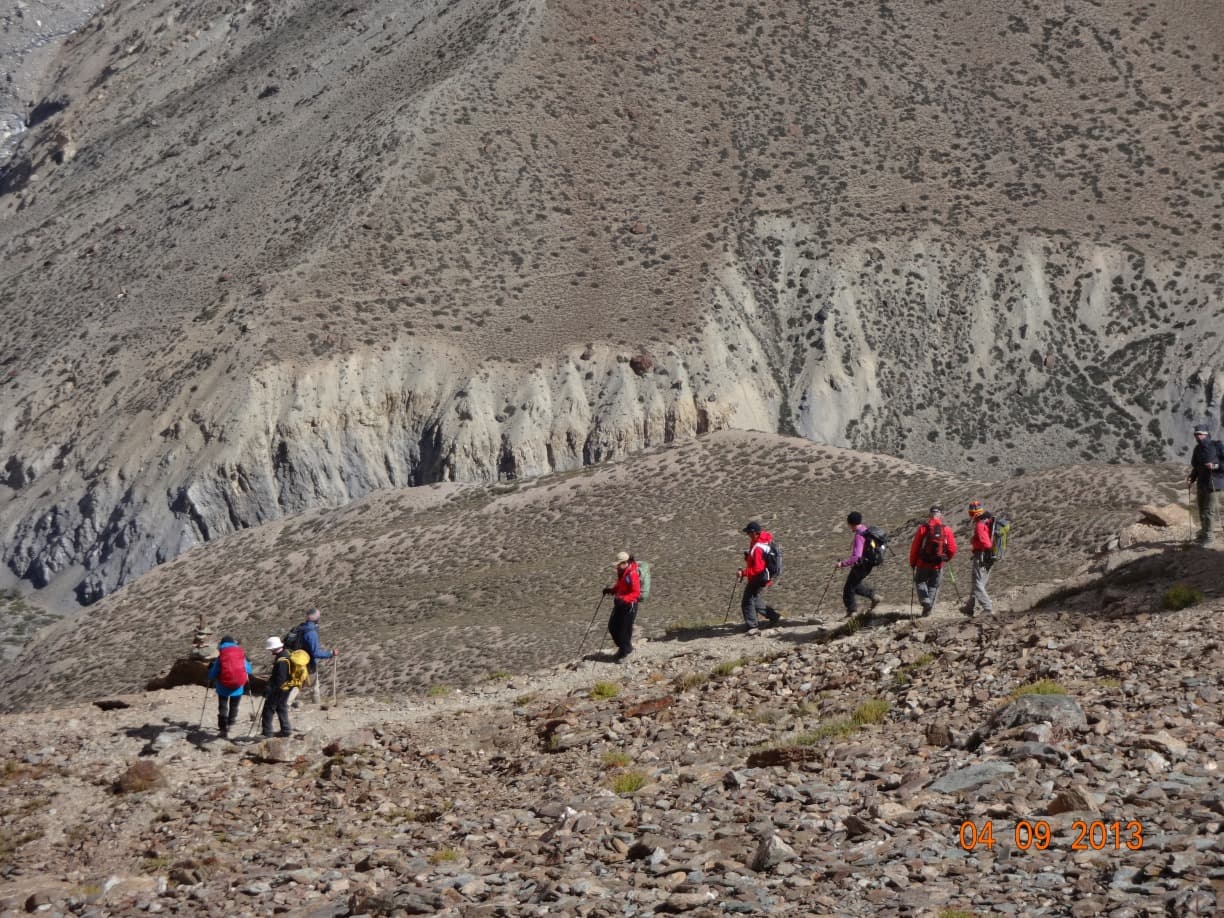
Kargyak is an isolated village in Zanskar above 4,000 m, an essential stop on the Darcha–Padum trek before the Shingo La pass. Homestays, monastery, and high-altitude landscapes far from the beaten path.
Kargyak is an isolated village in Zanskar, nestled at the end of the Lungnak (or Lingti) valley, at over 4,000 metres altitude. The last inhabited hamlet before the high passes that close off the valley to the south, it marks the boundary of the world accessible on foot from Darcha. A few dozen families live here according to an ancient agricultural and pastoral rhythm, cut off from the rest of Ladakh for much of the year by snow.
Practical information at a glance
- Altitude: approximately 4,100 m — acclimatization is essential before arrival.
- Access: on foot or by horse only, via the Darcha–Padum trek (several days of walking); no motorable road reaches the village.
- Opening period: July to September, depending on pass snow conditions.
- Accommodation: homestays with locals; no hotel or structured lodge.
- Recommended duration: at least one night to recover before or after Shingo La pass.
- Accessibility: impossible — high mountain terrain.
What to see
The village consists of stone and adobe houses arranged in terraces above barley fields. A small Tibetan Buddhist monastery overlooks the dwellings. Prayer wheels, mani walls, and colourful prayer flags dot the paths. Around it, arid slopes give way to alpine meadows where yaks and cashmere goats graze.
History and context
Zanskar was long an independent kingdom before its integration into Ladakh. The Lungnak valley, of which Kargyak is one of the last villages, served as a commercial and religious corridor between Tibet and the Indian subcontinent. Extreme isolation has preserved Tibetan Buddhist practices and vernacular architecture almost unchanged. The Darcha–Padum trek, which passes through Kargyak, is one of the rare historical routes connecting Himachal Pradesh to Zanskar.
Highlights of the visit
Shingo La pass
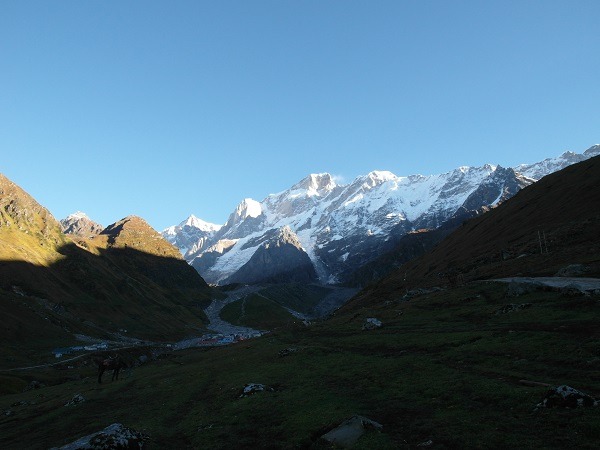
Kargyak is the last stop before — or the first after — Shingo La pass (approximately 5,090 m). The climb from the village offers unobstructed views of the snow-capped peaks of the Greater Himalayas. It is the key passage of the Darcha–Padum trek.
Village life
Staying in a homestay allows you to observe the barley harvest in August, the making of tsampa, and the daily life of a self-sufficient community. Exchanges with locals, often polyglot (Zanskari, Hindi, sometimes basic English), are direct and warm.
The monastery and mani walls
The village's small gompa preserves thangkas and statues. The long mani walls — stones carved with mantras — line the village entrance paths in Tibetan Buddhist tradition.
Etiquette and visiting rules
- Always circumambulate mani walls and chortens on the left (clockwise).
- Ask permission before photographing residents or the monastery interior.
- Remove your shoes before entering the gompa.
- Wear clothing covering shoulders and knees in religious spaces.
Photography tips
Morning light illuminates the adobe facades and golden August barley fields with remarkable quality. Prayer flags stand out well against the intense blue sky of high altitude during midday. Avoid using flash inside the monastery and respect residents' refusals.
Location and access
Kargyak is located in the Lungnak valley, in Zanskar (Ladakh, India). The usual trek starting point is Darcha, accessible by bus or jeep from Manali (Himachal Pradesh). The trek to Kargyak typically takes four to five days of walking depending on pace and acclimatization. The continuation to Padum, Zanskar's capital, requires several more days. No motorized transport serves the village.
Nearby
- Padum — administrative capital of Zanskar, the trek's endpoint and base for exploring the region.
- Phuktal Monastery — spectacular gompa perched on a cliff in the Lungnak valley, accessible from Padum.
- Darcha — village stopover in Himachal Pradesh, the classic starting point for the trek to Zanskar.
Frequently asked questions
July to September. The passes are passable and barley fields are in full growth. Before July, snow often blocks Shingo La pass; after September, night-time temperatures drop sharply.
Zanskar is a protected area: an Inner Line Permit (ILP) is required for foreign nationals. It can be obtained online or from authorities in Leh or Manali. Verify current requirements before departure, as regulations evolve.
Only in homestays with locals. Families offer a bed, a warm meal, and sometimes breakfast. There is no hotel or structured lodge. Bring cash, as no ATMs are accessible in the valley.
The Darcha–Kargyak trek is demanding: several days of walking at high altitude with significant elevation changes. Good physical fitness and prior acclimatization (at least two days in Manali or Leh) are essential.
Yes. Continuing the trek to Padum after Kargyak, a detour to Phuktal Monastery is possible. It is one of Zanskar's most impressive sites and lies on the route through the Lungnak valley.
Want to discover this destination?
Our local advisors design your tailor-made trip.