Jorhat
Jorhat
Former Ahom capital and heart of Assam's tea-growing region, Jorhat provides access to century-old tea gardens, the river island of Majuli, and the Vaishnavite satras of northeastern India.
Jorhat is a city in northeastern India, in the state of Assam, near the Brahmaputra. Once the capital of the Ahom kingdom, it is today the heart of the world's most productive tea-growing region. Between century-old tea plantations, Vaishnavite monasteries and access to South Asia's mightiest river, Jorhat offers a genuine entry point into deep Assam.
Quick Facts at a Glance
- Access: Jorhat airport (Rowriah), flights from Guwahati and Kolkata; Mariani railway station approximately 15 km away.
- Recommended duration: 2 to 3 days to combine plantations, monasteries and a trip to Majuli.
- Best time to visit: October to April — dry season, pleasant temperatures, tea in full activity.
- Dress code: Covered clothing recommended for satras (Vaishnavite monasteries).
What to See
Jorhat is surrounded by active tea gardens, some of which offer visits and accommodation in colonial bungalows. The town retains traces of British plantation-era architecture. The Tocklai Tea Research Institute, one of the world's oldest tea research centers, is located here. The satras — Vaishnavite monasteries founded by the saint-reformer Shankardev — dot the region.
History and Context
Jorhat was the last capital of the Ahom kingdom before British annexation in 1826. The Ahom ruled Assam for nearly six centuries, notably resisting Mughal invasions. The arrival of the British transformed the region: forests gave way to tea plantations from the 1840s onward, permanently reshaping the landscape and local demographics.
Highlights of Your Visit
Tea Gardens
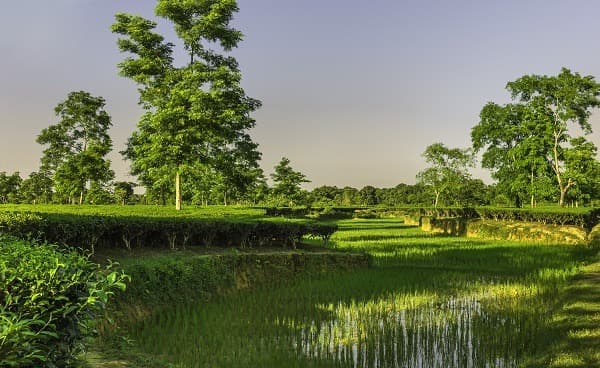
The Jorhat region is home to dozens of gardens producing Assam tea renowned for its amber color and robust character. Some estates open their doors for guided tours of the picking and processing. Plantation bungalows allow you to stay in the heart of the tea fields.
Majuli — The River Island
About 20 km from Jorhat, a ferry crosses the Brahmaputra to Majuli, the world's largest inhabited river island. A seat of Assamese Vaishnavite culture, it is home to several active satras and a unique traditional mask-making craft.
Nimati Ghat
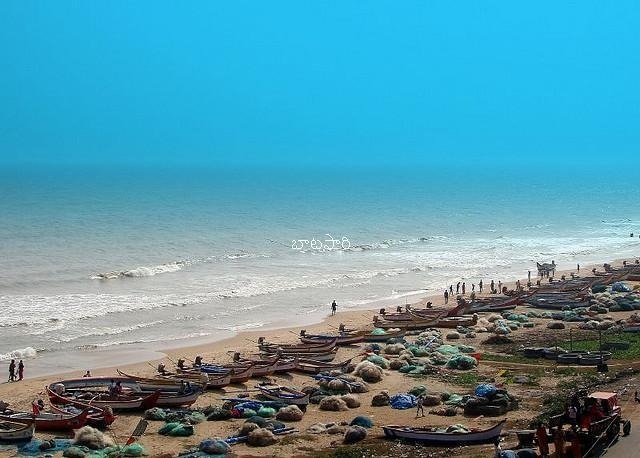
This jetty on the Brahmaputra is the departure point for ferries to Majuli. The morning bustle — wooden boats, fishermen, mist on the river — gives a direct glimpse of life along the Assamese riverbanks.
Gibbon Wildlife Sanctuary
About thirty kilometers from Jorhat, this sanctuary protects the hoolock gibbon, India's only brachial-swinging ape. The semi-tropical forest is also home to birds endemic to northeastern India.
Etiquette and Visiting Rules
- Remove your shoes before entering worship areas in satras.
- Dress modestly (shoulders and knees covered) when visiting monasteries.
- Ask permission before photographing monks or ceremonies.
- Some satras restrict access to inner areas to non-Hindus — ask at the entrance.
Photography Tips
Tea gardens are most photogenic early in the morning, when mist rises over the rows of tea bushes. At Nimati Ghat, the golden light of sunrise illuminates the wooden boats. In the satras of Majuli, evening sattriya dance rehearsals offer vibrant scenes — always with prior permission.
Location and Access
Jorhat is located in central-eastern Assam, about 300 km east of Guwahati via the national highway. Rowriah airport connects the city to Guwahati and Kolkata. Mariani railway station, on the main northeastern railway line, is the nearest rail access point. Taxis and local buses provide connections within the city and to surrounding sites.
Around the Area
- Majuli — Vaishnavite river island on the Brahmaputra, accessible by ferry from Nimati Ghat.
- Sibsagar — former Ahom royal capital with temples and historic reservoirs, about 50 km away.
- Kaziranga National Park — one-horned rhinoceros reserve, about 90 km to the west.
Frequently asked questions
From October to April, the dry season offers pleasant temperatures and passable roads. The monsoon (June-September) makes certain routes difficult, particularly the ferry to Majuli.
A ferry departs from Nimati Ghat, about 20 km from Jorhat's center. The crossing takes about an hour depending on river levels. Schedules vary by season — check locally.
Some estates organize guided tours and offer accommodation. Free access to production areas is generally restricted — contact the estate in advance or go through a local agency.
Yes: shoulders and knees covered, shoes removed at the entrance to sacred spaces. A spare shawl or sarong is useful if you're not already appropriately dressed.
Yes. Kaziranga is about 90 km to the west. A classic itinerary connects Guwahati, Kaziranga and Jorhat-Majuli over a week, heading east.
Photos
Want to discover this destination?
Our local advisors design your tailor-made trip.