Hubli
Hubli
Hubli (Hubballi), Karnataka's second-largest city, is a commercial and railway crossroads ideal for exploring Badami, Hampi, and the Chalukya temples of the Deccan plateau.
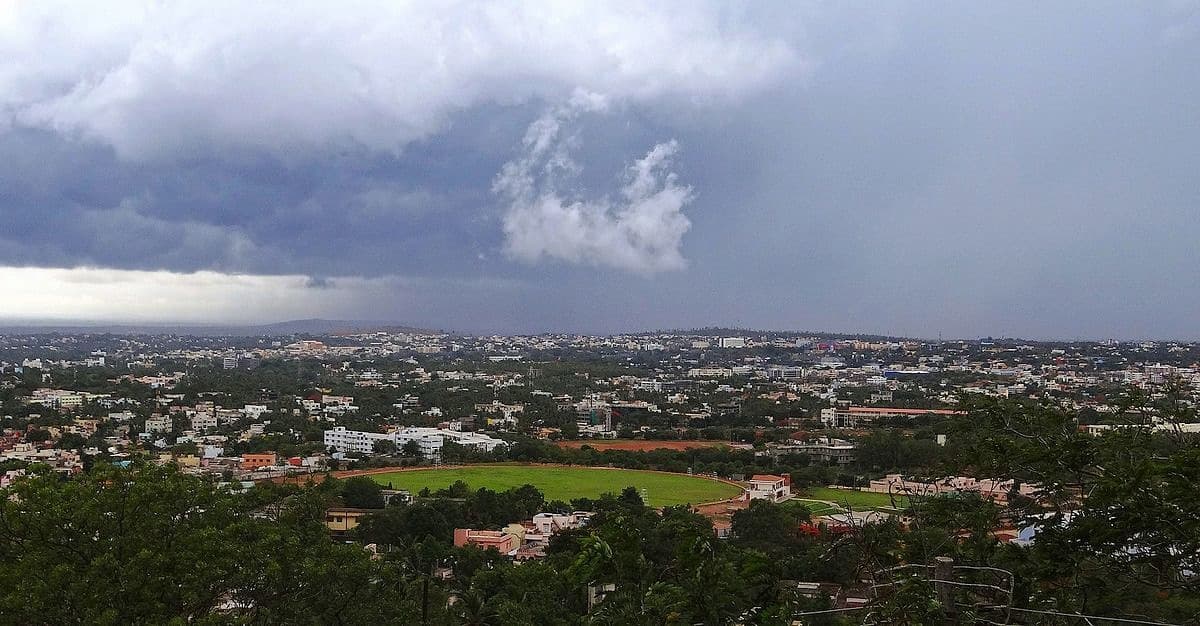
Hubli (officially Hubballi) is the second-largest city in Karnataka, administratively twinned with Dharwad. A railway and commercial hub in the north of the state, it offers a lively urban character, colorful bazaars, and several historical and religious sites worth visiting while exploring the inner Deccan.
Practical Information at a Glance
- Access: Hubballi Junction railway station, well connected to Bengaluru, Mumbai, and Goa; Hubballi Airport (HBX) with domestic flights.
- Recommended stay: half a day to a full day is sufficient for the main sites.
- Dress code: modest clothing recommended for temples and dargahs.
What to See
Hubli's central bazaar, around Koppikar Road, concentrates spices, textiles, and hardware in the typical bustle of a Karnataka trading town. The city is home to several active Hindu temples and the dargah of Siddharoodha Swami, a spiritual figure venerated across communities.
History and Context
Hubli developed as a trading post under the Marathas, then under British administration, which made it a strategic railway junction. Its name derives from Kannada Hallu Ooru ("milk village"). The administrative merger with Dharwad in 1961 created the twin municipality of Hubballi-Dharwad, today one of Karnataka's most populous urban areas.
Highlights of Your Visit
Dargah of Siddharoodha Swami
This sanctuary dedicated to the Sufi saint Siddharoodha Swami (1836-1929) attracts Hindu and Muslim pilgrims alike. The architecture blends domes and mandapas in an atmosphere of shared devotion that is rare to encounter.
Nrupatunga Betta
This hilltop at the city's edge offers a viewpoint over the agglomeration and houses a small temple. The climb is short; locals cherish the sunset from here.
Indira Glass House and Municipal Gardens
A central green space frequented by families, featuring a restored Victorian greenhouse. A good pause point between visits.
Etiquette and Visiting Rules
- Remove your shoes before entering temples and the dargah.
- Cover shoulders and knees in places of worship.
- Ask permission before photographing worshippers at prayer.
Photography Tips
The bazaar is most photogenic early in the morning, before crowds. The dargah offers beautiful light in late afternoon. Avoid using flash inside sanctuaries.
Location and Access
Hubli lies in northern Karnataka, approximately 400 km northwest of Bengaluru. Hubballi Junction is a major hub; regular buses connect the city to Dharwad (the twin city, just a few kilometers away), Badami, and Hampi. The airport serves Bengaluru, Mumbai, and Hyderabad.
Nearby
- Dharwad — neighboring university city, known for its pedas (milk sweets) and cultural atmosphere.
- Badami — sixth-century Chalukya rock caves carved into red sandstone, about 100 km away.
- Pattadakal — UNESCO site with Chalukya temples, near Badami.
- Hampi — ruins of the Vijayanagara empire, UNESCO-listed, accessible in a few hours.
- Gadag — Trikuteshwara temples in Kalyani Chalukya style, about 60 km away.
Frequently asked questions
October to February offers pleasant temperatures and no rain. Avoid June to September (monsoon season) if you plan excursions in the region.
It works primarily as a logistics hub for Badami, Pattadakal, Aihole, and Hampi. A half day is sufficient for its own sites.
Yes, the sanctuary is open to all. Simply respect the dress code and behavioral rules in place.
Trains and buses connect Hubli to Hospet (the gateway city to Hampi). The train journey takes approximately two to three hours depending on the service.
North Karnataka cuisine is marked by jolada rotti (sorghum flatbread) and spiced curries. Pedas from neighboring Dharwad are a must-have to take home.
Photos
Want to discover this destination?
Our local advisors design your tailor-made trip.