Golaghat
Golaghat
Golaghat, in Assam, combines tea gardens stretching to the horizon with privileged access to Kaziranga National Park, sanctuary of Asia's one-horned rhinoceros.
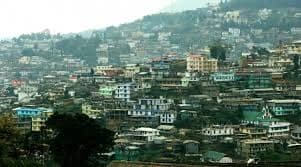
Golaghat is a town in Assam, in northeastern India, nestled between Kaziranga National Park and the Nagaland hills. A crossroads between alluvial plains and dense forests, it serves as a base for exploring one of the subcontinent's richest biodiversity zones. The region is also marked by a long tradition of tea cultivation, with gardens covering much of the district.
Practical information at a glance
- Access: Golaghat is connected by road to Guwahati (approximately 4-5 hours) and to Jorhat. The nearest railway station is Furkating.
- Best time to visit: November to April — dry climate, wildlife visible in parks, roads passable.
- Recommended duration: 2 to 3 days to combine Kaziranga and tea gardens.
What to see
Golaghat district is primarily known for its immediate proximity to Kaziranga National Park, a UNESCO World Heritage Site that is home to the world's largest population of Asia's one-horned rhinoceros. Tea gardens stretch across the plains, offering a landscape of carefully trimmed green rows. The Dhansiri River flows through the district, creating wetlands frequented by numerous bird species.
History and context
Golaghat was an administrative centre under the Ahom empire, which governed Assam for nearly six centuries before British colonisation. It was under the British that tea cultivation developed massively in the region from the mid-19th century onwards, permanently transforming the local landscape and economy. The name "Golaghat" historically refers to a crossing point on the river.
Highlights of your visit
Kaziranga National Park
The eastern section of Kaziranga extends into Golaghat territory. Safaris by jeep or elephant back allow you to observe rhinoceros, wild elephants, tigers and exceptional birdlife. The dry season (November-April) is the most favourable for wildlife viewing.
Tea gardens
Several estates open their doors to visitors. You can follow the complete process: leaf plucking, withering, rolling and drying. Some gardens offer accommodation in colonial bungalows, former residences of British managers.
Dhansiri and wetlands
The banks of the Dhansiri and associated marshland attract migratory and resident bird species. It's a favoured spot for birdwatchers, particularly in winter.
Photography tips
In the tea gardens, the golden morning light reveals the green hues of the rows. For Kaziranga, morning safaris offer the best light and wildlife is more active. Drones are prohibited in the park's protected areas.
Location and access
Golaghat is located in eastern Assam, on the south bank of the Brahmaputra. The town is accessible from Guwahati via NH27. The nearest airport is Jorhat. Regular buses connect Golaghat to major towns in Assam. The Kaziranga park is accessible from town in less than an hour.
Nearby attractions
- Kaziranga National Park — UNESCO Site, sanctuary of Asia's one-horned rhinoceros, a must-visit for any stay in the region.
- Jorhat — Neighbouring town, Assam's tea capital, with access to Brahmaputra islands.
- Majuli — Large river island on the Brahmaputra, centre of Assamese Vaishnavite culture, accessible from Jorhat.
Frequently asked questions
From November to April, the dry season allows you to observe wildlife at Kaziranga and travel easily. The monsoon (June-September) closes part of the national park.
Via national highway NH27, the journey takes approximately 4 to 5 hours by car or bus. Regular buses serve the town from Guwahati bus station.
Yes, several estates in the district welcome visitors. It is advisable to contact the estate in advance or go through a local agency to arrange your visit.
Yes. The eastern section of the park is close to Golaghat, and the town offers accommodation at rates often lower than lodges located directly on NH37 facing the park.
Jeep and elephant back safaris are regulated by the park. Drones are prohibited. It is recommended to book safari slots in advance, especially during peak season (December-March).
Photos
Want to discover this destination?
Our local advisors design your tailor-made trip.