Gaumukh
Gaumukh
At 4,023 meters in the Indian Himalayas, Gaumukh marks the source of the Ganges. Legend, 18 km trek, permits and advice for experiencing this extraordinary pilgrimage.
Gaumukh is where the Bhagirathi River emerges from the Gangotri Glacier, regarded as the source of the Ganges. It stands as one of the most sacred places in the Indian Himalayas. Each year, thousands of pilgrims and foreign travelers converge here to witness firsthand the birth of India's most sacred river.
History
According to the Puranas, ancient Hindu sacred texts, Gaumukh derives its name from a legend. The tale tells of a young shepherd who, while searching for a lost sheep, stumbled upon a glacier whose opening resembled the head of a cow. Hence the name Gaumukh, which literally translates to "cow's mouth."
The first official exploration of the glacier took place in 1817 and was conducted by John Hodgson and James Herbert. However, the site had been known long before this date. It lay on the ancient route of the Chota Char Dham Yatra, which connected Gangotri to Kedarnath and had been used for centuries by pilgrims. In 2013, devastating floods ravaged northern India, triggering landslides that damaged much of the trail leading to the site.
The Trek to Gaumukh
Gangotri
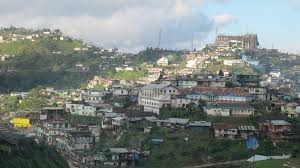
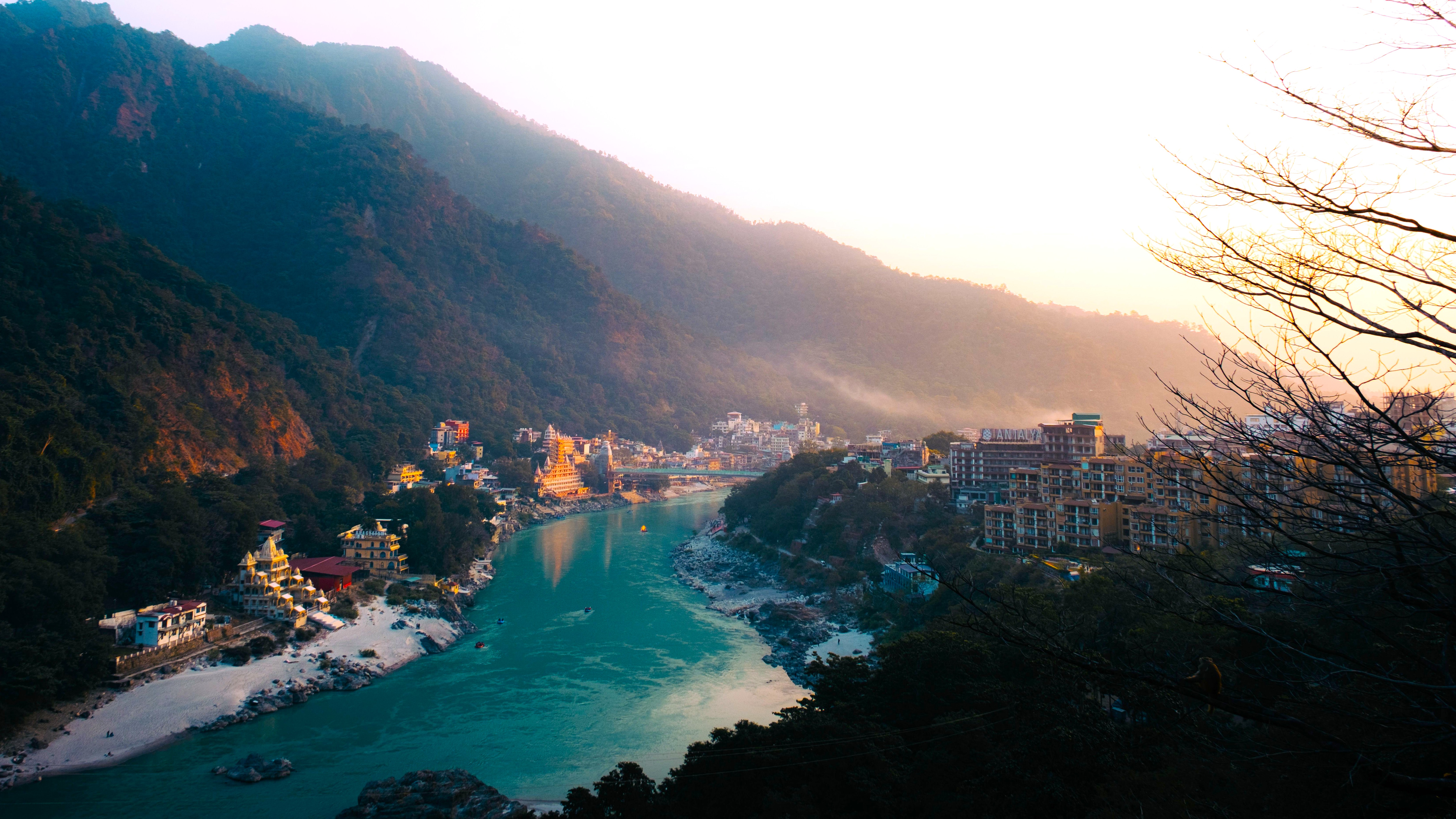
The starting point of the trek to Gaumukh (18 km) is Gangotri, a pilgrimage site dedicated to the goddess Ganga. It is in this village that you obtain permission to walk the trail from the forest officer of Uttarkashi District (MPO), either in person or by fax. Note that only 150 pilgrims and travelers per day are permitted to visit.
Chirbasa
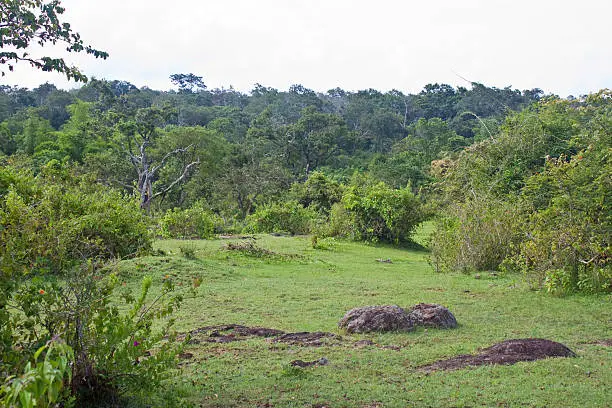
After 3 to 4 hours of walking (9 km), you will reach Chirbasa. The campsite is surrounded by a magnificent dense forest of blue pines.
Gila Pahar
3 km from Chirbasa lies Gila Pahar, an area notorious for instability due to frequent landslides. You must navigate along steep cliffs down to the river. With some luck, you may spot bharals, the blue antelope species typical of high mountains, roaming above 3,000 meters altitude.
Bhojbasa
After 4 kilometers beyond Gila Pahar, you will arrive at Bhojbasa. This is where visitors often spend the night. You will find ashrams and dhabas here. After another 4.5 km, you will finally reach Gaumukh.
Trek to Tapovan and Nandovan, into the Heart of Gangotri Glacier
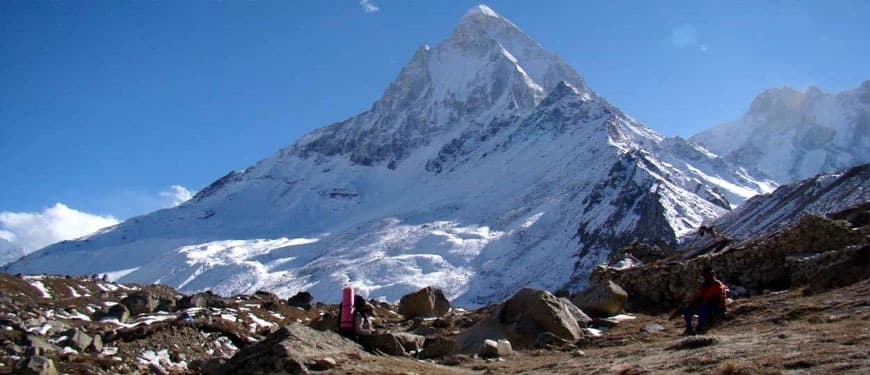
Beyond Gaumukh, it is possible to continue the adventure to Tapovan and Nandovan by crossing the glacier. The hike becomes even more challenging. You must be accompanied by a guide and prepared to face any type of mishap. Extremely steep, the final section of the trek registers 450 meters of elevation gain over 2 km. Adventurers will be rewarded with close-up views of Shivling and the surrounding mountains.
Best Time to Visit Gaumukh
The best time to visit Gaumukh spans from May to October. During these months, conditions are more favorable: trails are passable, temperatures pleasant, and views clear. The site is generally closed in winter, from November to April, due to snow and avalanche risk. For a comfortable trek, prioritize May–June or September–October, when weather is stable and crowds fewer.
Frequently Asked Questions about Gaumukh
Where are Gangotri and Gaumukh located?
Gangotri and Gaumukh are situated in the state of Uttarakhand, in northern India. Gangotri is accessible by car or local public transport from the town of Uttarkashi, approximately 100 km away.
At what altitude is Gaumukh?
Gaumukh sits at approximately 4,023 meters altitude.
Is the Gaumukh trek difficult?
The route is moderately challenging. Travelers need good physical fitness, as the itinerary combines high altitude, unstable trails, and steep passages, particularly after Gila Pahar.
Do you need a guide for the trek?
Hiring a guide is not mandatory for reaching Gaumukh. However, for continuing to Tapovan (4,460 m) and Nandovan (4,340 m), a guide is strongly recommended. These locations are difficult to find and the path is dotted with crevasses.
Can you stay at Gaumukh?
Camping directly at Gaumukh is prohibited to preserve the glacier. Trekkers must return to sleep elsewhere, typically Bhojbasa.
What is inside Gaumukh?
It is a natural ice cave from which the Bhagirathi River emerges.
What are the other sources of the Ganges?
Beyond the Bhagirathi, the Ganges also originates from the confluence with the Alaknanda, another major Himalayan river.
Want to discover this destination?
Our local advisors design your tailor-made trip.