Gangtok
Gangtok
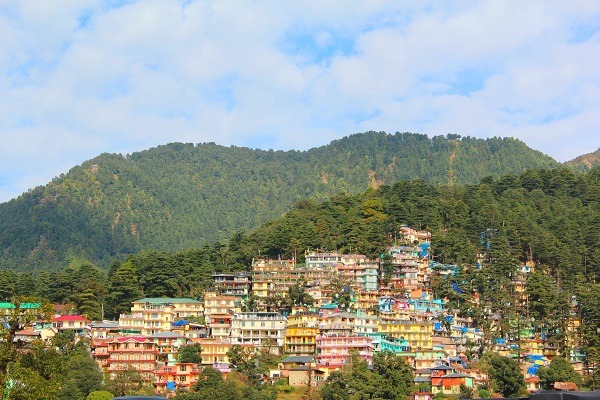
Sikkim's capital, perched at 1,650 m, Gangtok blends Buddhist monasteries, sweeping views of Kanchenjunga and serves as gateway to the eastern Himalayas.
Capital of Sikkim, Gangtok is far more than a gateway to the Himalayas. It's a city where Buddhist heritage, Indian influences and proximity to mountains converge to create a singular experience—a blend of spirituality, local discoveries and grand landscapes. Everything you need to know about Gangtok in this guide.
History
Once a modest village, Gangtok gained prominence with the construction of Enchey Monastery in 1840. The site soon became a respected religious centre and drew pilgrims from across the region. In 1861, following the Anglo-Sikkimese treaty, Sikkim fell under British protectorate. Gangtok was chosen as the kingdom's administrative capital.
By the late 19th century, the city had established itself as a political and religious hub. The Chogyals, kings of Sikkim, made it their royal seat, and the Tsuklakhang Palace hosted grand ceremonies. With improved roads to Darjeeling, Gangtok became increasingly connected to the wider region and experienced rapid development.
In 1975, a turning point arrived: the monarchy was abolished following a referendum, and Sikkim became India's 22nd state.
Today
Today, Gangtok marries its Buddhist heritage with a contemporary face. It has preserved its monasteries and traditions while cultivating a vibrant city centre, alive with markets, cafés and the presence of travellers.
What to See in Gangtok?
Rumtek Monastery
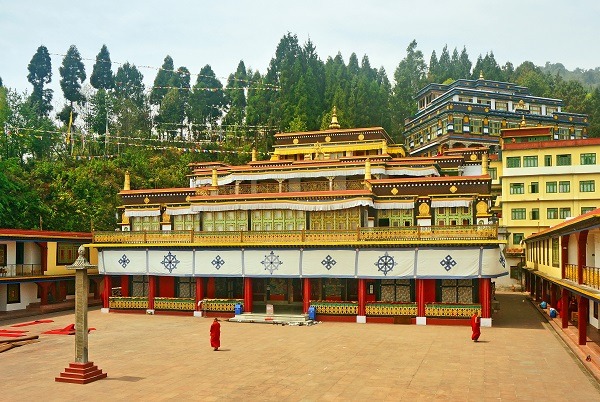
Perched on a hilltop just outside the city, Rumtek Monastery serves as the seat of the Karma Kagyu school. Its richly coloured architecture, imposing statues and serene atmosphere create a setting ideal for contemplation. It's an essential stop for understanding the significance of Tibetan Buddhism in the region.
Ranka Monastery
Less frequented than Rumtek, Ranka Monastery offers a quieter atmosphere. Its vibrant frescoes and vast prayer hall draw visitors, while its elevated position commands unobstructed views over surrounding hills and, on clear days, towards Kanchenjunga.
Namgyal Institute of Tibetology
This institute houses an impressive collection of manuscripts, ritual objects, statues and thangkas (Tibetan Buddhist paintings on cotton or silk). It also functions as a respected research centre on Tibetan culture and Buddhism. A visit offers unique insight into Sikkim's spiritual and artistic traditions.
MG Marg
MG Marg is Gangtok's principal pedestrian thoroughfare. Shops, restaurants and cafés line the street, creating a lively yet welcoming atmosphere. It's the ideal spot to sample local specialities, purchase souvenirs or simply observe daily life unfold. As evening falls, the street illuminates and becomes a pleasant place for a stroll.
Tashi View Point
Located a few kilometres from Gangtok, Tashi View Point offers sweeping panoramas across the eastern Himalayas. On clear days, snow-capped peaks reveal themselves in full splendour, with Kanchenjunga as the commanding backdrop.
Tsomgo Lake (Changu Lake) and Nathu La Pass
A few hours' drive from Gangtok, Tsomgo Lake is a sacred site encircled by ice-covered summits. Its waters shift colour with the seasons. Higher still, the Nathu La Pass marks the border with China (accessible by permit only).
Sikkim Himalayan Zoo
This zoo is home to emblematic Himalayan species including the red panda, Asian black bear and snow leopard. Animals roam spacious enclosures designed to respect their natural habitat.
Hanuman Tok
Hanuman Tok reminds travellers they remain firmly in Inde. Perched above 2,000 metres, this Hindu shrine dedicated to the deity Hanuman appeals as much for its spiritual dimension as for its panorama. On clear days, you'll enjoy magnificent views of Kanchenjunga.
What to Do During a Stay in Gangtok?
Hiking and Trekking
The mountains surrounding Gangtok abound with trails suited to all fitness levels. You might pursue a leisurely walk through rhododendron forests or undertake a multi-day trek into wilder Himalayan terrain. These excursions reveal the region's natural richness while offering glimpses of traditional villages.
White-Water Rafting
The Teesta River lends itself to rafting. Its rapids, varying in intensity, suit both beginners and experienced paddlers alike.
Paragliding
Paragliding allows you to soar above the valley and admire the Himalayan chain from above, offering a unique aerial perspective on the mountains and city.
Mountain Biking
The hills and trails around Gangtok provide varied terrain for mountain biking enthusiasts.
Ropeway
Gangtok's ropeway traverses part of the city and unveils spectacular panoramas over the Teesta Valley.
Practical Information
What is Gangtok's Climate?
Gangtok enjoys a temperate climate. Summers are mild, rarely oppressive, and winters can turn cold, particularly at night. The monsoon season, from June to September, brings heavy rainfall that can limit travel. The best times to visit are spring and autumn, when skies clear and nature verdant flourishes.
Most travellers reach Gangtok by road from Siliguri or Darjeeling. Bagdogra Airport remains the most convenient option, from which a taxi or shared jeep ride brings you to the city. An airport exists at Pakyong, closer still, though currently served by limited flight schedules.
Exploration within the city is easiest by local taxi or private vehicle. Excursions to Tsomgo or Nathu La require permits and a licensed driver. Within the city itself, pedestrian lanes like MG Marg are best explored on foot.
FAQ
At What Altitude is Gangtok Located?
The city sits at approximately 1,650 metres altitude in the eastern Himalayas.
What is Gangtok's Culinary Specialty?
Momos, steamed Tibetan dumplings, and thukpa, a noodle soup, are essential dishes not to miss.
What Language is Spoken in Gangtok?
Nepali is the most widely spoken language, though English and Hindi are broadly understood throughout the city.
Where Should I Stay in Gangtok?
You'll find a wide range of accommodation in Gangtok, from intimate family-run guesthouses to more comfortable hotels. Options abound, suited to every budget and travel style. For a convenient stay, favour the centre around MG Marg, which is animated and close to amenities. Alternatively, stay in the surrounding hills for a quieter experience.
Accommodation in Gangtok
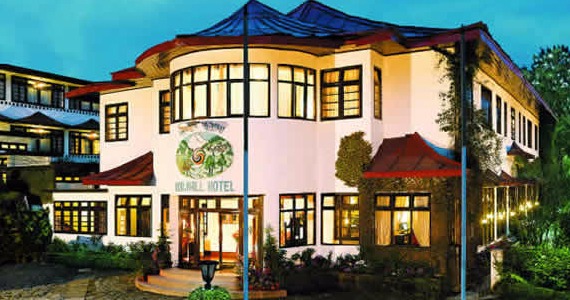
The Elgin Nor Khill
Heritage hotel de 25 chambres au cœur de Gangtok, lié à la dynastie Chogyal du Sikkim, à deux pas de M.G. Marg.
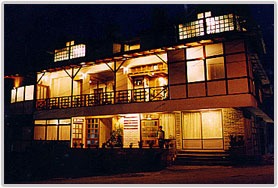
The Chumbi Residency
Hôtel de 26 chambres à Gangtok, à cinq minutes du marché M.G. Marg, avec vue sur le Khangchendzonga et restaurant Tangerine spécialisé en cuisine sikkimaise.
Want to discover this destination?
Our local advisors design your tailor-made trip.