Srikakulam
Srikakulam, in northern Andhra Pradesh, blends Hindu pilgrimage at the Srikurumam temple, Buddhist heritage at Salihundam, and unspoiled coastline along the Bay of Bengal.
Srikakulam is a town in northern Andhra Pradesh, nestled between the Bay of Bengal coast and the Eastern Ghats hills. As the district capital, it serves as a gateway to ancient temples, secluded beaches, and forgotten Buddhist sites. Its border location with Odisha gives it a unique cultural identity that blends Telugu traditions with Orissan influences.
What to See
The Srikurumam temple, dedicated to Kurma (the tortoise avatar of Vishnu), is one of India's rarest sanctuaries of this type and stands as the region's foremost pilgrimage center. The town also features several ghats along the Vamsadhara river, animated during Hindu festivals. Local markets showcase regional textile craftsmanship, particularly the renowned Uppada saris and Jamdani weavings.
History and Context
Srikakulam district holds Buddhist remains dating to the early centuries CE, notably at Salihundam, a site of stupas and excavated monasteries on a hillside overlooking the Vamsadhara river. The region successively came under the influence of the Kalinga, Eastern Chalukyas, and Orissan Gajapati rulers before the British established it as an administrative center.
Highlights of a Visit
Srikurumam Temple
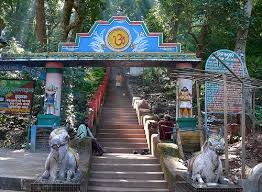
This centuries-old sanctuary is dedicated to Kurma, Vishnu's tortoise form—a remarkably rare dedication across the subcontinent. The Dravidian architecture of its gopuram contrasts with Orissan influences visible in certain carved details. Pilgrims converge during the festivals of Vaikuntha Ekadasi and Brahmotsavam.
Salihundam Buddhist Site
Some thirty kilometers from town, this archaeological site contains stupas, viharas, and sculptures dating from the 2nd to 7th century. Perched on a rocky promontory above the Vamsadhara, it offers a striking setting and remains largely bypassed by mainstream tourism circuits.
District Beaches
The coastline of Srikakulam district, particularly around Kalingapatnam and Bhavanapadu, offers expanses of fine sand that remain nearly deserted. Kalingapatnam was once a bustling trading port and retains a few vestiges from that era.
Etiquette and Visiting Rules
- Remove your shoes before entering the Srikurumam temple grounds.
- Dress modestly (shoulders and knees covered) to access the sanctuaries.
- Non-Hindus may face restrictions in certain inner temple areas—inquire on site.
- Photography is generally prohibited inside the sanctuaries; check signage at the entrance.
Photography Tips
The Srikurumam gopuram is best lit in early morning hours. At Salihundam, the golden light of late afternoon enhances the stupas and the river below. On Kalingapatnam's beaches, sunrise over the Bay of Bengal creates remarkable hues without the crowds.
Location and Access
Srikakulam lies in the far north of Andhra Pradesh, approximately 120 km north of Visakhapatnam. Srikakulam Road station serves several trains on the Howrah–Chennai line. Regular buses connect the town to Visakhapatnam and Bhubaneswar (Odisha). Road access from Visakhapatnam follows NH16 (formerly NH5) along the coast.
Nearby
- Visakhapatnam — a major port city with beaches, museums, and the INS Kursura submarine museum, roughly two hours south.
- Salihundam — archaeological Buddhist site on the Vamsadhara, about thirty kilometers from Srikakulam.
- Kalingapatnam — a historic former port with tranquil beaches in the immediate vicinity of town.
Frequently asked questions
October through March offers the most pleasant weather, with moderate temperatures. Avoid the monsoon season (June–September), when certain roads and the Salihundam site can become difficult to access.
Yes. Shoulders and knees must be covered. Men may be asked to remove their shirt in certain inner areas, according to temple tradition.
Yes, the two towns are connected by NH16. Allow approximately two hours for travel. Visakhapatnam has an international airport, making it a convenient base for exploring the wider region including Srikakulam.
The site is reachable by car or bus from Srikakulam. The climb to the stupas involves a brief walk on a rocky path; comfortable footwear is recommended.
Photography is generally prohibited inside the sanctuaries. It is, however, permitted in outer courtyards and at the Salihundam site. Respect all prohibition signs.
Interested in this visit?
We can include it in your personalised itinerary.