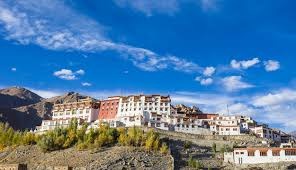
Phuentsholing
Phuentsholing is the principal border town between India and Bhutan. Facing Jaigaon, it concentrates entry formalities, your first Buddhist temple and a unique Himalayan crossroads atmosphere.
Phuentsholing is a Bhutanese border town nestled in the northeast corner of India, facing the Indian city of Jaigaon. Separated by a simple gateway, the two cities form a unique crossing point between West Bengal and Bhutan. This is where entry into Bhutan truly begins: visa procedures, your first encounter with dzong architecture and Himalayan atmosphere, before the ascent toward Thimphu.
Practical essentials at a glance
- Access from India: Jaigaon is the adjacent Indian town, reachable by bus or car from Siliguri (roughly 3-4 hours' drive).
- Formalities: Indian nationals can enter Phuentsholing without a prior visa but must obtain a permit from the local Immigration Office. Other nationalities must arrange a Bhutanese visa in advance.
- Recommended duration: Half a day to a full day for formalities and exploring the town center.
- Dress code: Modest attire recommended; cover shoulders and knees when visiting the dzong.
What to see
The Zangto Pelri Lhakhang, a Buddhist temple in the heart of the town, is the first place of worship you encounter upon entering Bhutan. Its murals and peaceful inner courtyard contrast sharply with the hustle of the border market. The border gateway itself — an arch adorned with Bhutanese motifs — is the town's visual symbol. The Jaigaon market on the Indian side bursts with textiles, spices and local goods.
History and context
Phuentsholing developed as the principal commercial crossing between Bhutan and India from the mid-twentieth century onward. The town is home to the headquarters of several Bhutanese state enterprises and serves as the country's economic lifeline. The daily coexistence of Bhutanese, Indian and Nepalese traders makes it an atypical cultural nexus in the Himalayan region.
Highlights of your visit
The border gateway
The ornamental arch marking the frontier is Phuentsholing's iconic photo spot. On the Bhutanese side, the atmosphere shifts immediately: quieter streets, traditional architecture, an absence of garish advertising.
Zangto Pelri Lhakhang
This three-tiered temple represents the celestial paradise of Guru Rinpoché. The interior paintings illustrate scenes from Tibetan Buddhist cosmology. Entry is free for visitors respecting the visit guidelines.
Jaigaon Market
On the Indian side, the market pulses with life: fabrics, spices, cheap electronics. It's the perfect place to witness the cultural permeability of this particularly vibrant border.
Etiquette and visit guidelines
- Remove your shoes before entering Zangto Pelri Lhakhang.
- Dress modestly (cover shoulders and knees) in places of worship.
- Photography inside temples may be restricted — ask permission on site.
- Respect the circulation direction around chortens (clockwise).
Photography tips
The border gateway photographs best early in the morning, before pedestrian and vehicle traffic peaks. The golden light of late afternoon enhances the painted façades of Zangto Pelri Lhakhang. Avoid photographing immigration officials or military checkpoints.
Location and access
Phuentsholing lies in Bhutan's Chukha district, in the country's south at the border with West Bengal. The Indian town of Jaigaon is immediately adjacent. Siliguri, the region's principal transport hub, is reachable within a few hours' drive. From Phuentsholing, Bhutan's national highway climbs toward Thimphu, the capital, roughly 4-5 hours' drive via a spectacular mountain road.
Nearby
- Jaigaon — The twin Indian town, bustling and commercial, accessible on foot through the gateway.
- Siliguri — Northeast India's principal transport hub, departure point for Darjeeling, the Sundarbans or Sikkim.
- Darjeeling — The celebrated hill station and its tea plantations, accessible from Siliguri.
Frequently asked questions
Indian citizens don't require a prior visa, but must obtain an entry permit from Phuentsholing's Immigration Office to travel beyond the town.
Yes, the distance is manageable as a same-day round trip. Allow time for border formalities, which can take several hours depending on traffic.
It's the main land gateway from India. Travelers arriving by air pass through Paro airport without visiting Phuentsholing.
The dry season (October to April) offers the best road conditions. Monsoon (June-September) can make the climb to Thimphu challenging due to landslides.
Several hotels in various categories are available on the Bhutanese side. Jaigaon, on the Indian side, also offers options often cheaper for travelers in transit.
Interested in this visit?
We can include it in your personalised itinerary.