Siliguri
Siliguri
Siliguri is the major crossroads city of northern West Bengal, gateway to Darjeeling, Sikkim and Bhutan. Vibrant markets, Tibetan monastery and railway hub make it a key logistical waypoint.
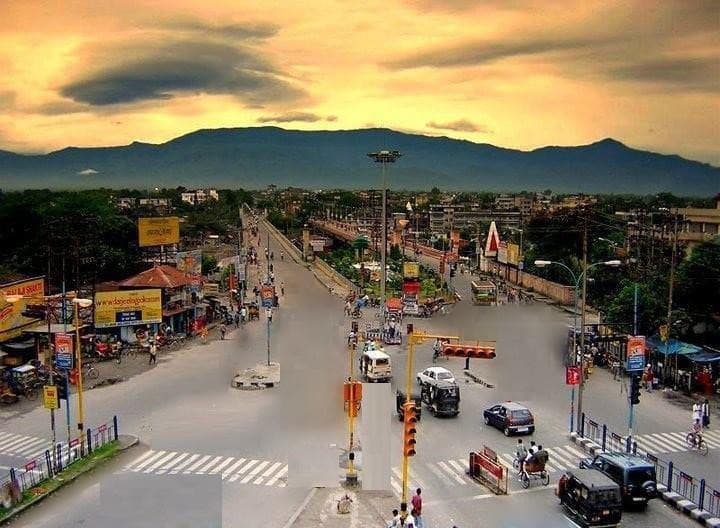
Siliguri is a crossroads city in northern West Bengal, nestled within the Siliguri Corridor — a narrow strip of land between Bangladesh, Nepal, Bhutan and the Chinese border. Gateway to Darjeeling, Sikkim and the Terai plains, it concentrates bustling markets, strategic railway stations and dense urban life. You don't come to Siliguri for its monuments, but for its role as an indispensable logistical and commercial hub of Northeast India.
Practical information at a glance
- Air access: Bagdogra airport (IXB), about twenty kilometres from the centre, served from Kolkata, Delhi and Mumbai.
- Rail access: New Jalpaiguri station (NJP), a major railway junction connected to all of India; Siliguri Junction station for local lines.
- Road access: buses and shared jeeps to Darjeeling, Gangtok (Sikkim), Kalimpong and the Nepali border at Kakarbhitta.
- Recommended duration: stopover of one night or one day; rarely a destination in itself.
- Dress code: no particular constraints in the city.
What to see
Siliguri is above all a trading city. Hong Kong Market and Bidhan Market concentrate textiles, electronics and spices. The Mahananda River runs through the city and offers some green spaces. Salugara Monastery, a Tibetan Buddhist temple with its large white stupa, is the main cultural site of interest.
History and context
Siliguri developed in the nineteenth century with the growth of tea trade and the construction of the British railway to Darjeeling. Its position within the Siliguri Corridor — sometimes called the "Chicken's Neck" — gives it unique geopolitical importance. After independence, the city became the leading commercial and transit centre of Northeast India.
Highlights of the visit
Salugara Monastery
This Tibetan Buddhist monastery houses a stupa with a hundred thousand Buddhas. The atmosphere is peaceful, contrasting with urban bustle. The colourful prayer flags and prayer wheels make it an appreciated spiritual stop before heading to Sikkim or Darjeeling.
Siliguri Markets
Bidhan Market and its lanes concentrate spices, Darjeeling teas, clothing and local products. Here you perceive the Bengali, Nepali, Tibetan and tribal cultural blend that characterises the region.
Mahananda Wildlife Sanctuary
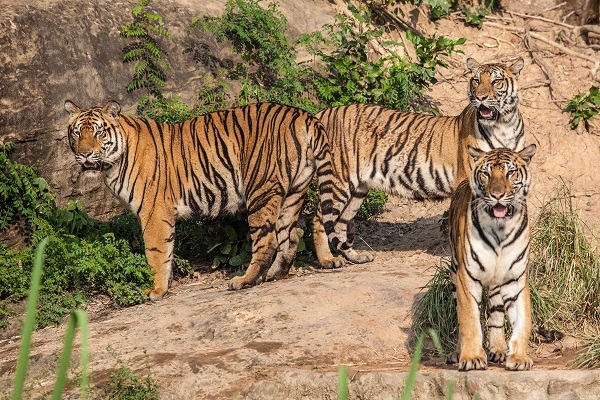
On the city's periphery, this forest sanctuary is home to elephants, leopards and rich birdlife. It provides an introduction to Terai biodiversity before moving on to the region's national parks.
Photography tips
Morning light is ideal at Salugara Monastery, before visitor crowds arrive. Markets offer vibrant street scenes late in the morning. In clear weather, the Himalayan foothills are visible from certain elevated points in the city.
Location and access
Siliguri sits in Darjeeling district, northern West Bengal. New Jalpaiguri station is the main railway arrival point. From there, shared jeeps and buses serve Darjeeling, Gangtok and Kalimpong. Bagdogra airport is connected to the city centre by taxi or bus. The city is accessible for people with reduced mobility on its main roads, but markets remain crowded.
Nearby attractions
- Darjeeling — colonial hill station, tea plantations and views of Kangchenjunga.
- Gangtok — capital of Sikkim, Buddhist monasteries and Himalayan vistas.
- Kalimpong — peaceful mountain town, flower markets and colonial architecture.
- Gorumara National Park — one-horned rhinoceros and elephants in Terai forests.
- Jaldapara — nature reserve renowned for its rhinoceros and elephant safaris.
Frequently asked questions
Siliguri is primarily a transit city. One night is enough to organise the next leg of your journey to Darjeeling, Sikkim or Bhutan. Travellers short on time can stop for a few hours between connections.
October to April brings dry, pleasant weather. The monsoon (June-September) brings heavy rain and can disrupt mountain roads. Winter (December-February) is cool but sunny.
Shared jeeps depart regularly from Tenzing Norgay Bus Terminal to Darjeeling. The journey takes about three hours depending on road conditions. The famous Toy Train departs from New Jalpaiguri station, but schedules vary.
No, Siliguri requires no permit. However, entry to Sikkim requires an Inner Line Permit, which can be obtained in Siliguri itself, making it a convenient stop for formalities.
Yes, Siliguri's markets sell Darjeeling tea, sometimes at prices lower than those charged in hill stations. Choose specialist shops to ensure authenticity.
Yes, the monastery welcomes visitors of all faiths. Respectful dress is recommended and you should remove your shoes before entering prayer spaces.
Photos
Want to discover this destination?
Our local advisors design your tailor-made trip.