Osian (temples and mosque)
Osian (temples and mosque)
A desert temple village in the Thar, located 65 km from Jodhpur, Osian is home to some twenty medieval Hindu and Jain sanctuaries with remarkable sculptures, often overlooked by mainstream itineraries.
Osian is a temple village in the Thar Desert, approximately 65 km north of Jodhpur. Once a merchant town on the caravan routes, it preserves around twenty Hindu and Jain sanctuaries dating from the 8th–12th centuries, along with a medieval mosque. Together they form one of western Rajasthan's best-preserved archaeological sites, often missed by standard tour circuits.
Quick reference
- Access: bus or car from Jodhpur (National Highway NH62); journey of approximately 1 hour 15 minutes.
- Recommended duration: 2 to 3 hours to tour the main temple clusters.
- Dress code: shoulders and knees covered required in active sanctuaries.
- Footwear: to be removed before entering each temple.
What to see
The temples are divided into two main clusters. The northern group contains the oldest sanctuaries, including the Sachiya Mata temple (the local guardian goddess, still in active worship). The southern group comprises Jain and Hindu temples with finely carved erotic and mythological sculptures, comparable—on a smaller scale—to those at Khajuraho.
The Jama Masjid mosque, constructed using elements recycled from earlier temples, illustrates the layering of architectural influences at this site.
History and context
Osian flourished between the 8th and 12th centuries under the Gurjara-Pratihara and Paramara dynasties. A commercial crossroads between Gujarat and northern India, the town attracted Jain merchants and Brahmins who funded the construction of numerous sanctuaries. The decline of caravan routes after the 12th century left the site frozen in its medieval state, which explains the exceptional preservation of the sculptures.
Highlights of your visit
Sachiya Mata Temple
Perched on a hilltop, this temple dedicated to the goddess Sachiya Mata is the most frequented by local pilgrims. The climb offers an unobstructed view over the village and surrounding dunes. The sculptures on the gateway (torana) date from the 8th century.
Jain temple cluster
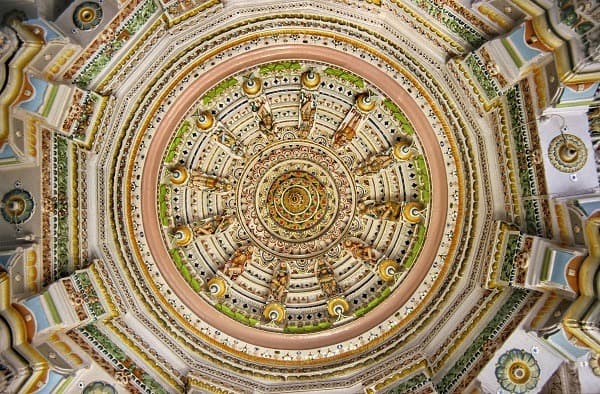
These sanctuaries display detailed narrative friezes: deities, apsaras, court scenes. The state of preservation of the carved panels is remarkable for monuments exposed to desert sand for more than a thousand years.
Dunes around the village
Osian is surrounded by dunes accessible on foot or by camel. Some local operators offer sunset excursions combining site visits with desert rides.
Etiquette and visiting rules
- Remove your shoes before entering each temple.
- Shoulders and knees covered in all active sanctuaries.
- Ask permission before photographing worshippers in prayer.
- Certain interior areas of active temples are reserved for Hindus; respect access signs.
Photography tips
Morning light (before 9 a.m.) is ideal for photographing sculptures without harsh shadows. East-facing facades catch the golden light of sunrise beautifully. In late afternoon, nearby dunes provide an interesting foreground with temple towers in the background. Check photo restrictions inside each sanctuary: some prohibit cameras in the inner sanctum (garbhagriha).
Location and access
Osian lies approximately 65 km north of Jodhpur, accessible via National Highway NH62. Regular buses depart from Jodhpur's central bus station. By car or taxi, the journey takes about 1 hour 15 minutes. The village has no direct railway station. The site is easily visited as a day excursion from Jodhpur, and can be combined with a return via Mandore.
Nearby attractions
- Fort Mehrangarh — medieval fortress overlooking Jodhpur, a natural starting point before or after Osian.
- Mandore — former Marwar capital with royal cenotaphs and gardens, on the return route to Jodhpur.
- Nagaur — fortified town to the east, known for its fort and livestock market.
Frequently asked questions
Yes. The distance of approximately 65 km allows for a comfortable day trip, with 2 to 3 hours on site and a return in late afternoon.
Shoulders and knees covered are required in all active sanctuaries. Bring comfortable socks, as you will remove your shoes at each entrance.
Photography is generally permitted outside the temples. Inside, some active sanctuaries prohibit it; check the signs or ask the custodian.
October to March offers pleasant temperatures. Avoid May–June when desert heat regularly exceeds 40 °C.
Local operators offer desert excursions around the village, often at sunset. Inquire directly on site or through your agency in Jodhpur.
Photos
Interested in this visit?
We can include it in your personalised itinerary.