Chhatrapati Shivaji Maharaj Vastu Sangrahalaya (formerly Prince of Wales Museum)
Formerly the Prince of Wales Museum, the Chhatrapati Shivaji Maharaj Vastu Sangrahalaya is Mumbai's flagship museum. Mughal art, Indus Valley archaeology and remarkable colonial architecture in the Kala Ghoda district.
At the heart of the Kala Ghoda neighbourhood, the Chhatrapati Shivaji Maharaj Vastu Sangrahalaya is Mumbai's principal museum. Inaugurated in 1922, it houses collections of Indian art, archaeology and natural history under one roof. Its Indo-Saracenic architecture—a blend of Mughal, Marathi and European styles—makes it an immediately recognizable landmark in the city's south. It ranks among the subcontinent's richest museums.
Essentials at a Glance
- Admission: Paid entry (separate rates for Indian residents and foreign visitors)
- Closure: The museum is closed on Mondays
- Duration: 2 to 3 hours for the main collections
- Access: Churchgate or CST metro station nearby; abundant taxis and auto-rickshaws
- Audioguide: Available at the main desk
What You'll See
The museum unfolds across three main thematic wings. The Art wing features Mughal and Rajasthani miniatures, South Indian bronze sculptures and works from the Tanjore school. The Archaeology wing displays Indus Valley artefacts (Mohenjo-daro, Harappa), terracotta figurines and ancient coins. The Natural History wing rounds out the collection with specimens of Indian fauna.
A dedicated Decorative Arts gallery brings together Chinese porcelain, jade, ivory and textiles. The collection of Mughal weapons and armour particularly draws military history enthusiasts.
History and Context
The building was designed by British architect George Wittet, who also created the nearby Gateway of India. The foundation stone was laid in 1905 by the Prince of Wales (later George V), which gave the museum its former name. It opened officially in 1922. It was renamed in 1998 to honour Chhatrapati Shivaji Maharaj, founder of the Maratha empire. It holds protected monument status from the Archaeological Survey of India.
Highlights of Your Visit
Mughal Miniatures
The collection of miniature paintings ranks among India's most comprehensive. The works depict court scenes, imperial portraits and episodes from the Mahabharata, rendered with remarkable finesse and detail.
Indus Valley Sculptures
Terracotta figurines and engraved seals dating to around 2500 BCE offer direct insight into the civilisations of Mohenjo-daro and Harappa, centuries before the classical empires.
The Garden and Façade
The central dome in grey basalt, the arcades and the interior courtyard deserve as much attention as the collections themselves. The façade is particularly striking in late afternoon light.
Photography Tips
Late afternoon light illuminates the western façade beautifully. From the pavement along Mahatma Gandhi Road, stepping back provides a clear view of the entire dome. Inside, photography is generally permitted without flash; check for restrictions in temporary galleries. The garden provides an attractive green foreground for comprehensive views.
Location and Access
The museum sits in the Kala Ghoda neighbourhood in south Mumbai (Fort area). The Gateway of India lies a few minutes' walk to the southeast. Churchgate railway station (Western Railway line) and CST (Chhatrapati Shivaji Maharaj Terminus) are both reachable on foot in less than fifteen minutes. Taxis and ride-sharing services serve the main entrance on Mahatma Gandhi Road directly.
Nearby Attractions
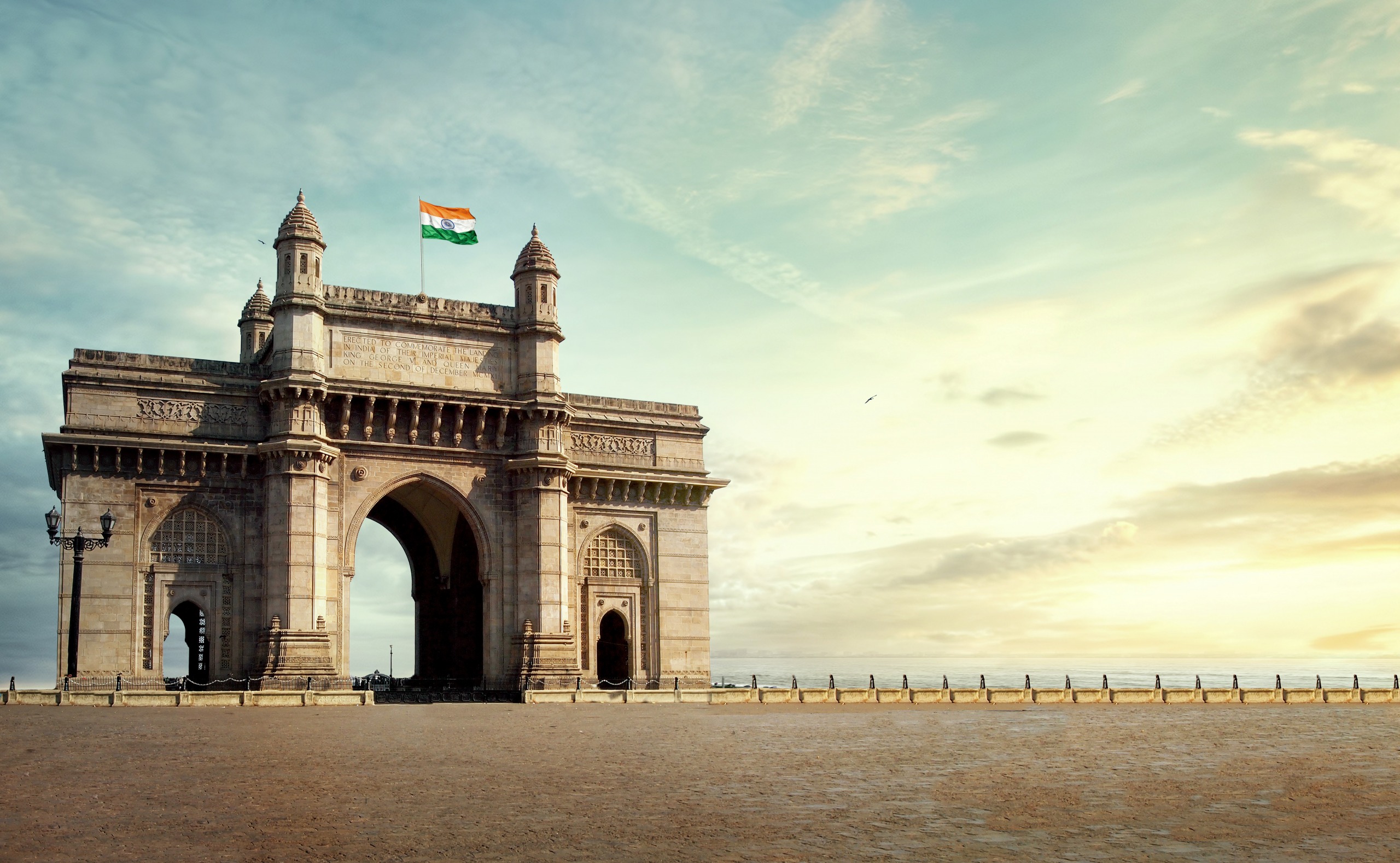
- Gateway of India — Colonial triumphal arch on the Arabian Sea shore, just a few minutes' walk away.
- Kala Ghoda neighbourhood — Art galleries, cafés and colonial architecture concentrated around the museum.
- CST Station (Chhatrapati Shivaji Maharaj Terminus) — Masterpiece of Gothic Victorian architecture, UNESCO-listed.
- Marine Drive — Waterfront promenade, ideal for an evening stroll after your visit.
Frequently asked questions
No, it closes on Mondays. Plan your visit for a weekday or weekend accordingly.
Allow 2 to 3 hours to explore the main collections. Art and archaeology enthusiasts can easily spend half a day here.
Yes, both sites are just minutes' walk apart in the Kala Ghoda district. A morning is sufficient for both.
Photography is generally allowed without flash in the permanent galleries. Some temporary exhibitions may have specific restrictions; enquire at the desk.
Yes, an audioguide is available at the museum's main desk to accompany your tour of the permanent collections.
The dry season, from November to February, offers the most pleasant conditions. The museum is visitable year-round; summer heat and the June-to-September monsoon do not affect your indoor visit.
Nearby
Interested in this visit?
We can include it in your personalised itinerary.