Library of Tibetan Works and Archives
The Library of Tibetan Works and Archives houses over 80,000 Tibetan texts and a unique collection of thangkas in McLeod Ganj. A living cultural centre, open to visitors and researchers alike.
The Library of Tibetan Works and Archives (LTWA) is one of the most important institutions dedicated to preserving Tibetan culture in exile. Located in McLeod Ganj, nestled in the Himalayan foothills, it houses thousands of manuscripts, Buddhist texts and ritual objects. For anyone interested in Tibetan Buddhism, Tibetan history or philosophy, it's an essential stop in Dharamsala.
Practical Information at a Glance
- Admission: paid entry (modest fee, separate for museum and library)
- Closed: Sundays and Tibetan public holidays
- Recommended duration: 1.5 to 2 hours for the library and museum
- Dress code: smart casual recommended, respectful behaviour in reading rooms
- Courses: Buddhist philosophy, Tibetan language and meditation courses are offered to foreign visitors (registration on site)
What to See
The LTWA houses over 80,000 Tibetan manuscripts and books, including rare texts on medicine, astronomy and Buddhist philosophy. An adjoining museum displays thangkas (cloth paintings), statues, ritual instruments and everyday Tibetan objects. The collections illustrate the richness of a civilisation threatened with disappearance by exile.
History and Context
The library was founded in 1970 by the Tibetan government in exile, at the instigation of the Dalai Lama, following the mass exodus of Tibetans to India in 1959. The original objective was to safeguard texts and objects brought during the exodus, before they could be lost. Today, the LTWA is also an active research centre, frequented by scholars from around the world.
Highlights of Your Visit
The Manuscript Hall
Thousands of texts in the Tibetan language, some centuries old, are preserved under controlled conditions. Certain scrolls and palm leaf manuscripts are visible from public areas.
The Museum
The thangka collection is particularly remarkable: these Buddhist paintings serve as supports for meditation and teaching. Bronze statues and ritual objects (singing bowls, dorje, bells) round out the panorama.
Courses and Lectures
The LTWA regularly offers Buddhist philosophy courses in English, open to passing visitors. It's a concrete way to go beyond a simple tour and engage in dialogue with Tibetan teachers.
Etiquette and Visiting Rules
- Speak softly in reading rooms and the museum.
- Do not touch manuscripts or displayed objects without permission.
- Photography may be restricted in certain rooms — check the signs at the entrance to each space.
- Smart casual dress required: shoulders and knees covered.
Photography Tips
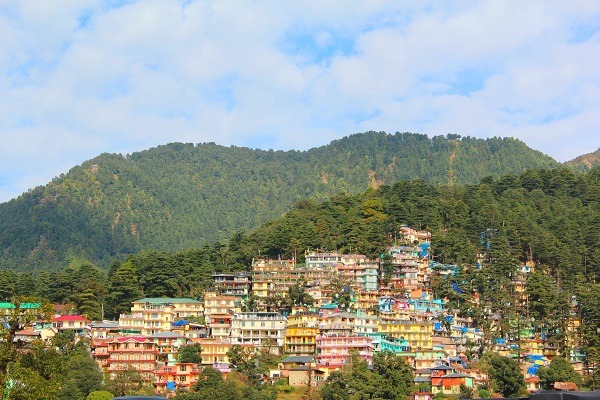
Natural light is good in the morning in outdoor spaces and the garden. Indoors, photography of thangkas and manuscripts is often prohibited or subject to authorisation — respect the instructions displayed. The building's understated architecture, with views over forested hills, offers good framing opportunities from the entrance.
Location and Access
The LTWA is located in Gangchen Kyishong, the administrative quarter of the Tibetan government in exile, midway between lower Dharamsala and McLeod Ganj. It can be reached on foot from McLeod Ganj in about twenty minutes by heading down towards Dharamsala, or by taxi from either location. The road is steep; disabled access is limited.
Nearby
- Namgyal Temple (Tsuglagkhang) — the Dalai Lama's main temple in McLeod Ganj, with its monastery complex and Tibet museum.
- St John-in-the-Wilderness Church — neo-Gothic colonial church in a cedar forest, a few kilometres away.
- Dal Lake — peaceful mountain lake, ideal for a break after your visit.
- Bhagsu Nag Temple and Waterfall — Hindu temple and waterfall accessible on foot from McLeod Ganj.
Frequently asked questions
No, visits to the museum and public library spaces are free at entry. For philosophy or Tibetan language courses, prior registration on site is required.
Yes, the two sites are within walking distance of each other. Allow half a day to visit the LTWA and the Tsuglagkhang complex in McLeod Ganj.
It closes on Sundays and Tibetan public holidays. Outside these closures, it is accessible year-round, including in winter.
Photography is often restricted or prohibited in the collection rooms. Check the signs at the entrance to each space and ask staff for permission if in doubt.
Yes, the LTWA offers Buddhist philosophy and Tibetan language courses in English, open to foreign visitors. Sessions can last several weeks, but one-off lectures are also organised.
Interested in this visit?
We can include it in your personalised itinerary.