Prashar Lake
At 2,730 m elevation in Mandi district, Prashar Lake combines a mysterious circular basin, a floating island, and a sculpted medieval wooden temple. Ideal for hiking, pilgrimage, and astrophotography.
Prashar Lake nestles in the foothills of the Himalayas, at approximately 2,730 meters elevation, in Mandi district (Himachal Pradesh). This circular high-altitude lake is home to a medieval temple dedicated to the sage Prashar and a floating island that drifts slowly across its surface. The site draws hikers, pilgrims, and stargazing enthusiasts, far from the bustle of major tourist hubs.
Practical information at a glance
- Access: road from Mandi (approximately 49 km); the final stretch is a mountain track passable by 4×4 or on foot from Baggi.
- Recommended duration: half a day for a quick visit; an overnight stay is recommended to enjoy sunrise and the night sky.
- Dress code: cover yourself to enter the temple (shoulders and knees covered).
- Accessibility: the final trail is unimproved; wheelchair access is difficult.
- Best time: April–June and September–November; the lake is often snow-covered and the road closed in winter.
What to see
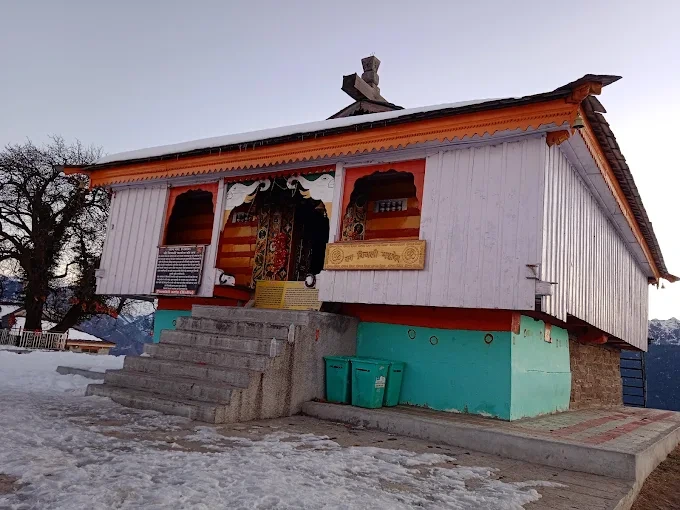
The lake forms an almost perfectly round basin, surrounded by alpine meadows and forests of pine and rhododendrons. Its most singular feature is a small floating island that changes position with the seasons—a rare phenomenon in the Indian Himalayas. On the shore stands the Prashar Rishi temple, a three-tiered wooden pagoda with sculptural details characteristic of Himachali style.
History and context
The temple is attributed to the architect Bhimakali and is believed to date to the 14th century, though some sources suggest earlier construction. It is dedicated to the Vedic sage Prashar, a disciple of Vyasa, who according to tradition meditated here. The site remains an active place of pilgrimage for residents of the Mandi region.
Highlights of your visit
The floating island
This island of peat and vegetation drifts slowly across the lake's surface. Its position varies with seasons and winds. No definitive scientific explanation has been widely published, which sustains its mysterious reputation.
The Prashar Rishi temple
The deodar wood pagoda (Himalayan cedar) features carved friezes of geometric patterns and divine figures. Inside stands a statue of the sage Prashar. The structure, built without metal nails according to local tradition, showcases the craftsmanship of Himachali carpenters.
Panorama of the peaks
On clear days, views extend to snow-capped summits of Kullu and Spiti, including Deo Tibba and Bara Shigri. Dawn offers the best visibility before clouds rise.
Etiquette and visiting rules
- Remove your shoes before entering the temple.
- Dress modestly (shoulders and knees covered).
- Avoid making noise during prayers.
- Do not litter in the lake; the site is designated an ecologically sensitive zone.
- Wild camping is tolerated but carry out all waste.
Photography tips
Golden morning light, just after sunrise, illuminates the temple and reflects off the lake. Position yourself on the shore opposite the temple to include the floating island in the foreground. In the evening, the site is favored for astrophotography: the absence of light pollution allows you to photograph the Milky Way between April and October.
Location and access
Prashar Lake is located in Mandi district, Himachal Pradesh. The town of Mandi is the usual starting point: shared vehicles or taxis serve Prashar village. A passable track climbs to near the lake; a short final walk is necessary. From Mandi, allow approximately two hours of travel depending on conditions. Access is closed or difficult in winter due to snow.
Nearby attractions
- Mandi — temple town on the Beas river, known as the "Benares of the hills," with over eighty ancient temples.
- Rewalsar Lake — another sacred lake in Mandi district, revered by Hindus, Buddhists, and Sikhs.
- Kullu Valley — major Himalayan valley to the north, gateway to Manali and high mountain passes.
Frequently asked questions
April–June and September–November offer the best conditions: passable road, clear skies, pleasant temperatures. In winter, snow often closes access.
A dharamshala (pilgrim accommodation) run by the temple offers basic rooms. Camping tents are also available from local providers, especially in high season.
To enter the temple, cover shoulders and knees and remove your shoes. For hiking, pack warm layers even in summer: elevation exceeds 2,700 m.
The trail from Baggi village covers approximately 7 km with notable elevation gain. It is accessible to a hiker in good physical condition, without technical equipment.
Photography is generally permitted outside the temple. Inside, ask the priest's permission before using your camera.
Interested in this visit?
We can include it in your personalised itinerary.