Gwarighat
Gwarighat is the main sacred ghat of Jabalpur, on the banks of the Narmada. Dawn ritual bathing, twilight aarti: the city's spiritual life unfolds here each day.
Gwarighat is a sacred ghat on the banks of the Narmada in Jabalpur, Madhya Pradesh. A place of cremation, ritual bathing, and daily prayer, it concentrates the city's spiritual life. The faithful gather here at dawn for ablutions and at dusk for the aarti, a ceremony of light offerings to the river. It is one of the most vibrant access points to the Narmada in this region.
Quick practical guide
- Access: about 3 km from Jabalpur city centre, reachable by auto-rickshaw or taxi.
- Admission: free.
- Recommended duration: 30 to 60 minutes, longer if you attend the evening aarti.
- Dress code: modest dress recommended, respect for ongoing religious practices.
What you'll see
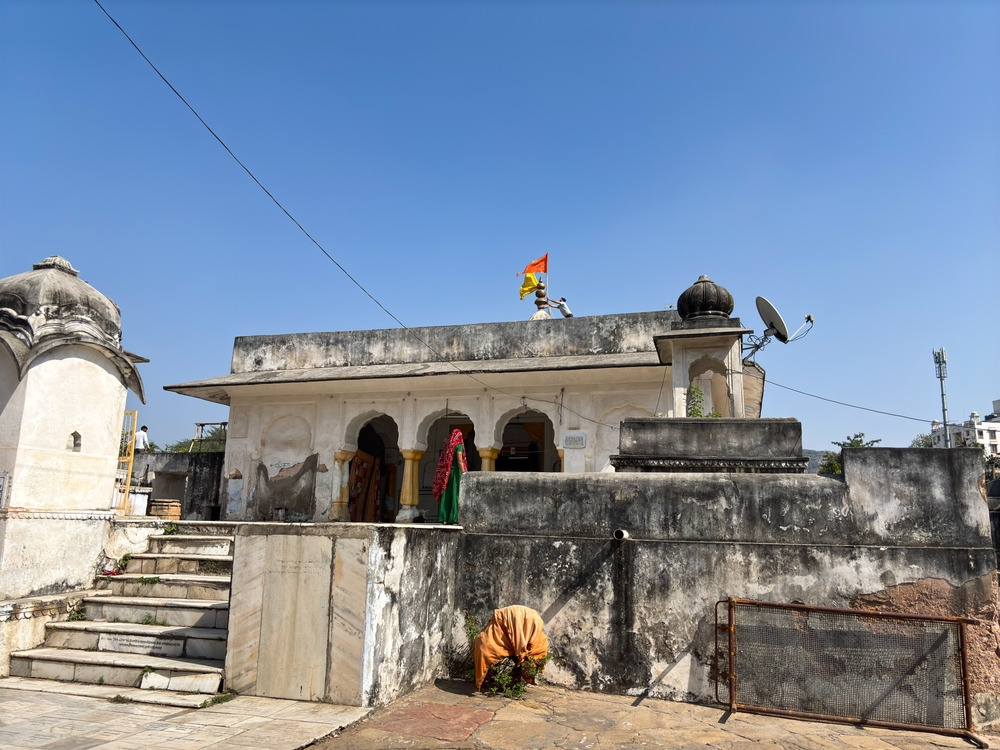
Stone steps descend directly to the Narmada. Priests perform ceremonies on the riverbank, families come to scatter ashes, pilgrims bathe. Small temples line the ghat. In the evening, oil lamps float on the water during the aarti, creating a contemplative and luminous atmosphere.
History and context
The Narmada is one of the seven sacred rivers of Hinduism. According to tradition, a single bath in its waters is enough to purify the soul — where the Ganges demands a full pilgrimage. Gwarighat is one of Jabalpur's historic ghats, frequented for generations for funeral rites and seasonal ceremonies linked to the river.
Highlights of your visit
The evening aarti
Each evening, priests celebrate the aarti facing the river: lamps, incense, chanting. The ceremony lasts about twenty minutes and draws both devotees and visitors. It is the most photographed and emotionally charged moment at the ghat.
Dawn on the Narmada
At sunrise, the first bathers descend the steps in silence. The low angle of light on the river and the silhouettes of pilgrims offer a stark and powerful spectacle, far removed from tourist bustle.
Funeral rites
Gwarighat is also a place of cremation and ash scattering. These ceremonies unfold discreetly; visitors must observe from a distance and refrain from photographing.
Etiquette and visit rules
- Remove your shoes before descending the sacred steps.
- Dress modestly: shoulders and knees covered.
- Do not photograph funeral ceremonies or people in prayer without their consent.
- Remain silent during religious ceremonies.
- Avoid touching offerings or ritual objects.
Photography tips
Golden light at dawn and dusk is ideal. The evening aarti offers reflections of flames on the water. Position yourself higher on the steps to frame the entire ghat. Avoid flash during ceremonies. Always ask permission before photographing people.
Location and access
Gwarighat is situated on the Narmada riverbank in Jabalpur. Jabalpur railway station, well connected to Bhopal, Varanasi, and Mumbai, is the main entry point. Auto-rickshaws serve the ghat from the city centre. The site is accessible on foot from the banks, but the steps can be slippery in wet conditions.
Nearby
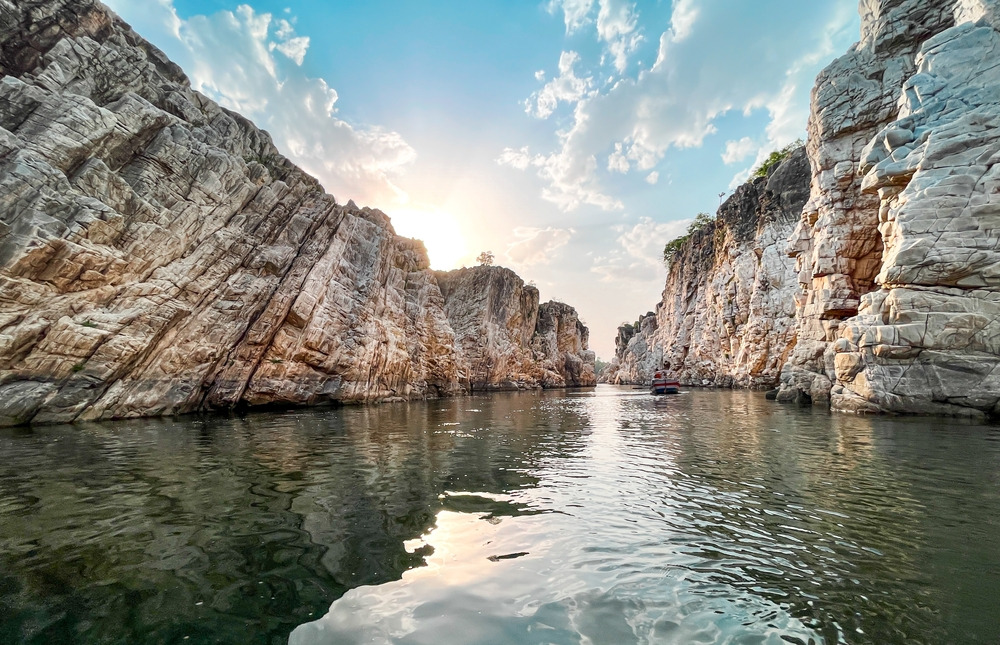
- Bhedaghat Gorges — the famous white marble gorges of the Narmada, about twenty kilometres from Jabalpur.
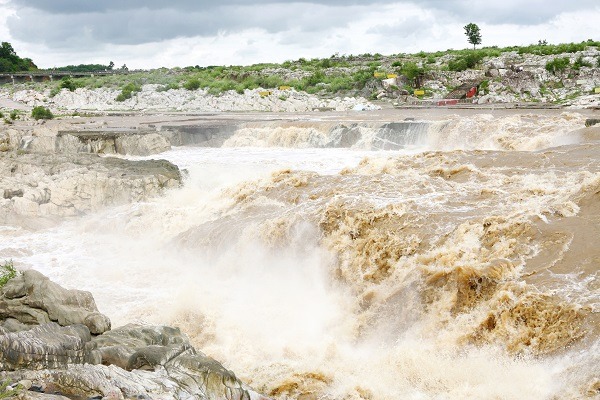
- Dhuandhar Falls — spectacular waterfall on the Narmada at Bhedaghat.
- Madan Mahal Fort — medieval fortress perched on a rocky outcrop within Jabalpur itself.
Frequently asked questions
October to March, the dry season offers pleasant temperatures and a calm river. Avoid the monsoon (July–September): the Narmada level rises significantly and the steps can be treacherous.
No, access to the ghat is entirely free. Some boatmen offer boat rides on the Narmada for a fee negotiable on site.
Yes, this is the classic combination in Jabalpur. Visit Gwarighat early morning or in the evening for the aarti, and dedicate the day to the Bhedaghat Gorges and Dhuandhar Falls.
Photography is generally tolerated, except during funeral ceremonies. Always ask permission before photographing people, and avoid flash during the aarti.
No strict rules are imposed on foreign visitors, but modest dress (shoulders and knees covered) is strongly recommended out of respect for ongoing religious practices.
Interested in this visit?
We can include it in your personalised itinerary.