Vijayraghavgarh Fort
Vijayraghavgarh Fort
Perched on a wooded hillside some twenty kilometers from Katni, Vijayraghavgarh Fort preserves fortified sandstone gateways and palace remnants in an authentic ruin setting, far from the beaten path.
Vijayraghavgarh Fort rises on a wooded hilltop some twenty kilometers from Katni in central Madhya Pradesh. Once the residence of local rajas, it blends palace ruins, sandstone bastions and creeping vegetation. The site remains largely untouched by mainstream tourism circuits, lending it an air of genuine discovery, far removed from crowds.
What to see
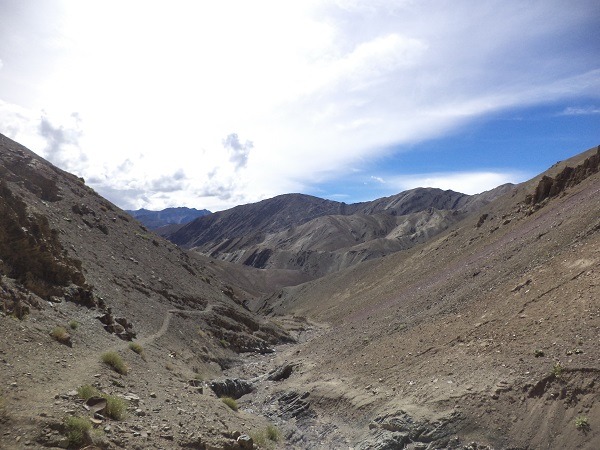
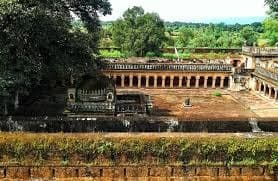
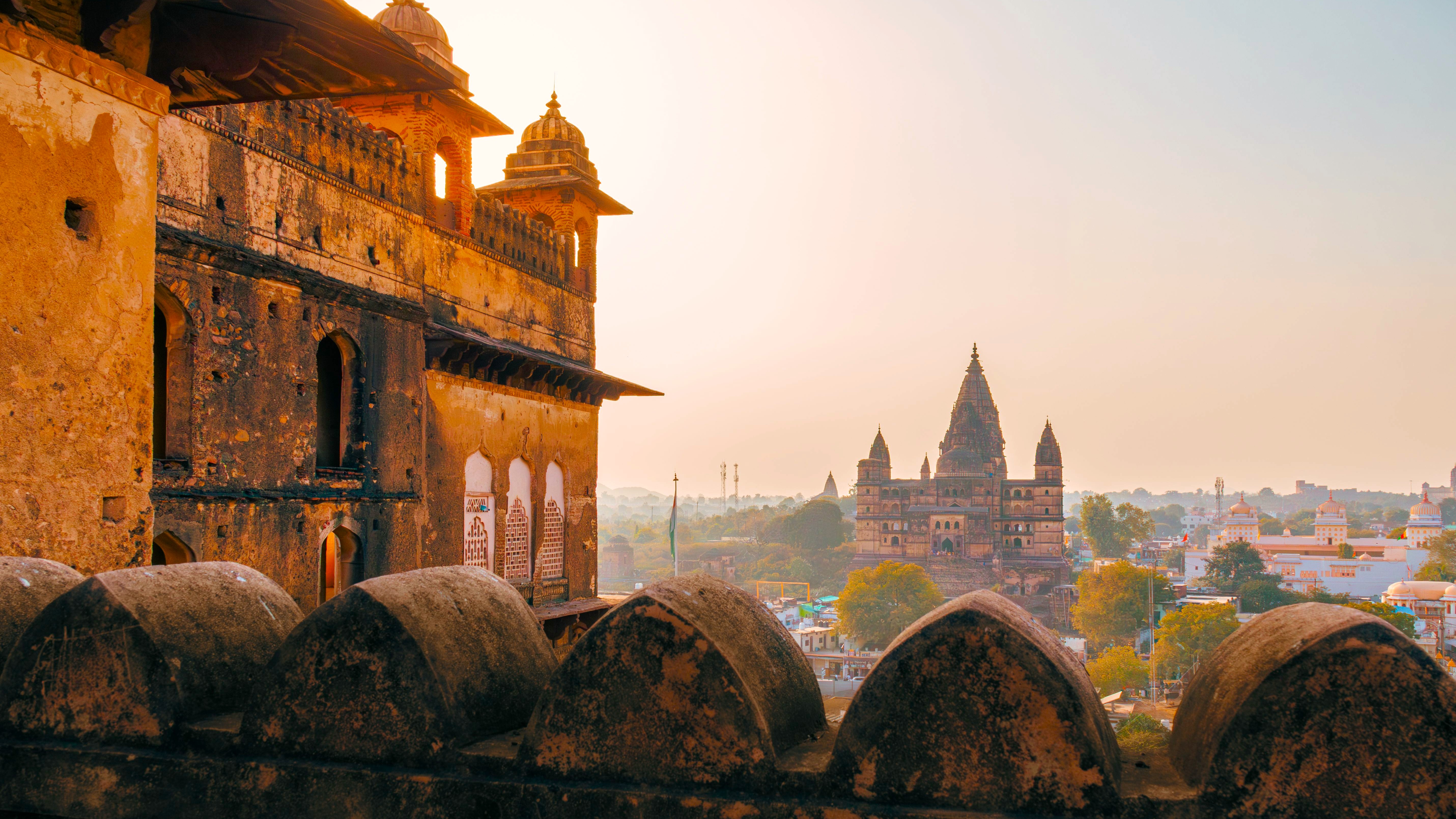
The fort preserves several stone structures: fortified gateways (darwaza), partially collapsed boundary walls, and remnants of an inner palace. Vegetation has reclaimed much of the buildings, creating a striking contrast between ancient stone and forest. From the summit, views sweep across the plains and surrounding hills.
History and context
Vijayraghavgarh was the seat of a small princely state under Maratha suzerainty, later under British protection. The fort takes its name from the deity Vijayraghava, a form of Vishnu revered by the ruling family. Following integration into Madhya Pradesh in 1947, the site was gradually abandoned and received no systematic restoration.
Highlights of a visit
The fortified gateways
The sculpted sandstone darwaza represent the best-preserved elements. Their lintels still bear decorative motifs characteristic of palatial architecture in central Madhya Pradesh.
The panorama from the ramparts
Reaching the upper sections of the fortification reveals a landscape of hills and fields. The absence of modern construction nearby reinforces the sense of historical isolation.
The atmosphere of inhabited ruin
Strangler figs and shrubs push through the walls. This coexistence of stone and vegetation gives the site a romantic character, prized by those who photograph ruins.
Photography tips
Early morning light—shortly after sunrise—is ideal: it illuminates the sandstone facades without glare and casts long shadows across sculpted details. Late afternoon brings golden tones ideal for panoramic views from the ramparts. No known photography restrictions apply on site.
Location and access
The fort stands in the town of Vijayraghavgarh, roughly 25 km northwest of Katni by road. Katni has a well-connected railway station on the Mumbai–Allahabad route. From Katni, rental vehicles or taxis can take you to the site. No regular direct public transport to the fort itself is confirmed. Reaching the summit requires an uphill walk on an unmade path; wheelchair accessibility is limited.
Nearby
- Katni — a railway junction town in Madhya Pradesh, the logical departure point for exploring the region.
- Rupanat Falls — a seasonal waterfall in the hills near Katni, accessible during the monsoon season.
Frequently asked questions
The dry season, October to March, offers the most favourable conditions: pleasant temperatures and passable paths. Summer (April–June) brings intense heat. The monsoon (July–September) renders trails slippery.
No official entry fee is confirmed for this site. It is advisable to check locally with the authorities before your visit.
Half a day is generally sufficient to explore the fort and enjoy the panorama, including travel to and from Katni.
The site is not systematically marked. A local guide from Katni can facilitate orientation and provide historical context that the on-site signage does not.
The climb on an unmade path requires a basic level of fitness. Unstable ruin zones demand careful supervision of small children.
Photos
Interested in this visit?
We can include it in your personalised itinerary.