Chinnar Wildlife Sanctuary
Chinnar Wildlife Sanctuary
At the gates of Tamil Nadu, Chinnar Sanctuary offers a rare semi-arid ecosystem in Kerala: elephants, leopards, marsh crocodiles and guided treks led by forest rangers.
Chinnar Wildlife Sanctuary sprawls across the eastern foothills of the Western Ghats, on the border between Kerala and Tamil Nadu. Dry and rocky, this territory contrasts sharply with Munnar's rainforests: it harbors one of the country's largest populations of giant nilgai (Boselaphus tragocamelus), along with leopards, wild elephants and marsh crocodiles. It's a protected space rarely crowded with visitors, ideal for observing wildlife in a semi-arid setting.
Essential Information at a Glance
- Entrance: Paid entry; different rates for Indian residents and foreign visitors
- Access: Munnar–Udumalpet road (NH 49/85), approximately 60 km northeast of Munnar
- Recommended duration: Half-day to full day depending on the safari chosen
- Safaris: Guided treks and jeep safaris organized by Kerala's forest department; booking recommended at the park entrance
- Best season: October to May (dry season, low vegetation, animals highly visible)
- Attire: Neutral colors (khaki, green, beige), closed-toe shoes mandatory for treks
What You'll See
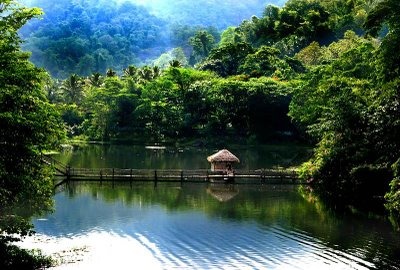
Vegetation is dominated by dry deciduous forests, grassy savannas and rocky zones. The Chinnar River runs through the sanctuary and attracts marsh crocodiles (Crocodylus palustris) and aquatic birds. Mammals present include elephants, leopards, striped hyenas, Asian wild dogs and gaur. The sanctuary is also home to several bird species endemic to the Western Ghats.
History and Context
Chinnar was declared a wildlife sanctuary in 1984. It forms part of the Western Ghats protected area complex, designated as a UNESCO World Heritage Site. Its position in a rain shadow zone gives it a semi-arid ecosystem rare in Kerala, strikingly different from the surrounding wet tropical forests.
Highlights of Your Visit
Trek to Thoovanam Waterfall
A guided trail leads to this waterfall nestled within dry forest. The route passes through areas frequented by elephants and gaur. The trek is supervised by forest rangers; venturing alone is strictly prohibited.
Marsh Crocodile Observation
The banks of the Chinnar River are one of the few places in Kerala where you can observe marsh crocodiles in the wild. Forest guides know the reptiles' usual resting areas.
Jeep Safari
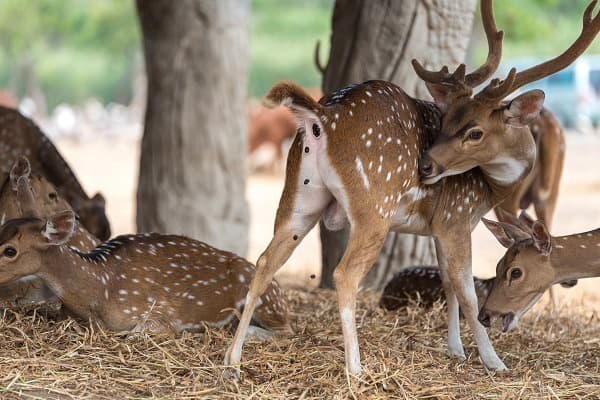
Interior tracks provide access to savanna zones where nilgai and gaur graze in groups. The light of early morning is most favorable for wildlife spotting.
Photography Tips
Golden light during the first two hours after sunrise is ideal: low vegetation and cooler temperatures encourage animals to remain visible. Avoid light-colored clothing that disturbs wildlife. Drones are prohibited in protected areas.
Location and Access
The sanctuary is located approximately 60 km from Munnar via the main road to Udumalpet. Taxis and private vehicles connect Munnar to the park entrance. No regular public transport serves the park entrance directly. Wheelchair accessibility to trekking zones is limited due to rocky terrain; jeep safaris remain accessible.
Nearby Attractions
- Eravikulam National Park — habitat of the Nilgiri tahr, west of Munnar.
- Mattupetty Lake — a reservoir surrounded by grasslands, starting point for boat rides.
- Top Station — viewpoint over the Western Ghats with views toward Tamil Nadu.
Frequently asked questions
October through May, during the dry season. Low vegetation makes wildlife observation easier. Avoid the monsoon (June–September): tracks become impassable and some treks are closed.
No. Treks inside the sanctuary must be led by forest rangers from Kerala's forest department. Jeep safaris are also guided.
Neutral colors (khaki, green, beige), closed hiking boots, hat and plenty of water. The terrain is rocky and heat can be intense during the dry season.
Yes. The Munnar–Chinnar road runs past tea plantations and passes near Top Station. Plan a full day for Chinnar and reserve other sites for another day.
Photography is permitted for personal use. Drones are prohibited throughout all protected areas. Check with the entrance post regarding professional equipment.
Photos
Interested in this visit?
We can include it in your personalised itinerary.